WKU Storm Chase Day 8

It was a long day of chasing today as our team ventured north into eastern Colorado in hopes of seeing storms with better visibility. The smoke coming from the wildfires in Mexico had been impeding our vision, and the storm conditions looked good for eastern Colorado.

The Setup

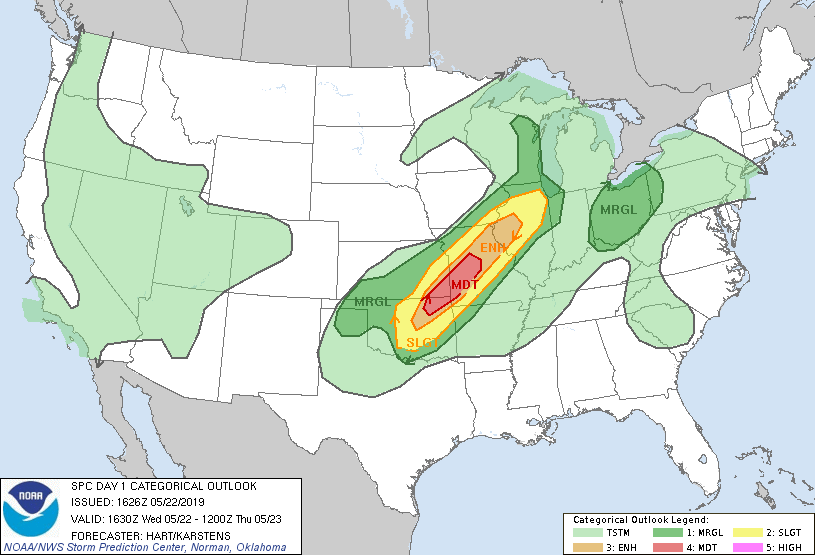
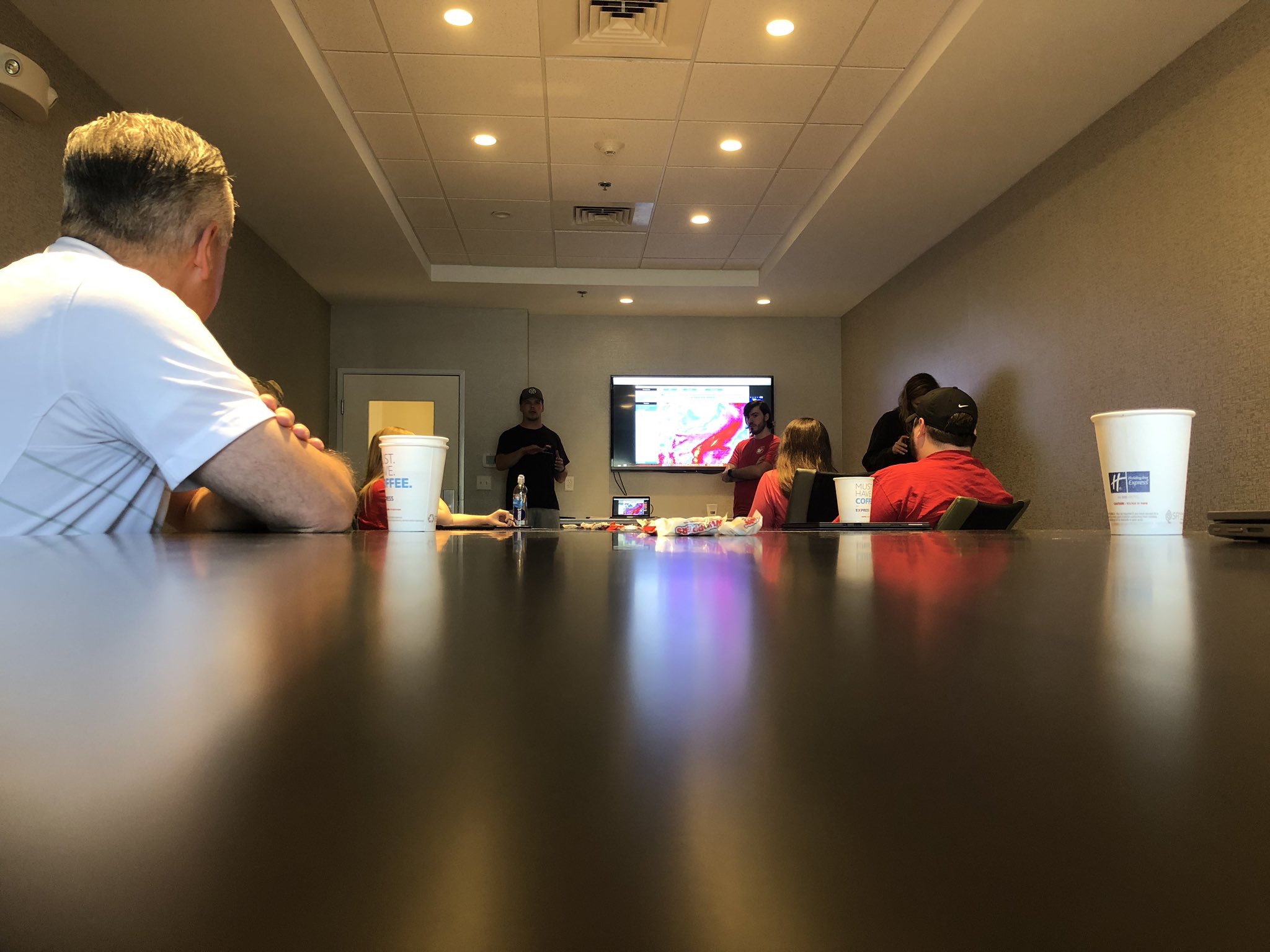
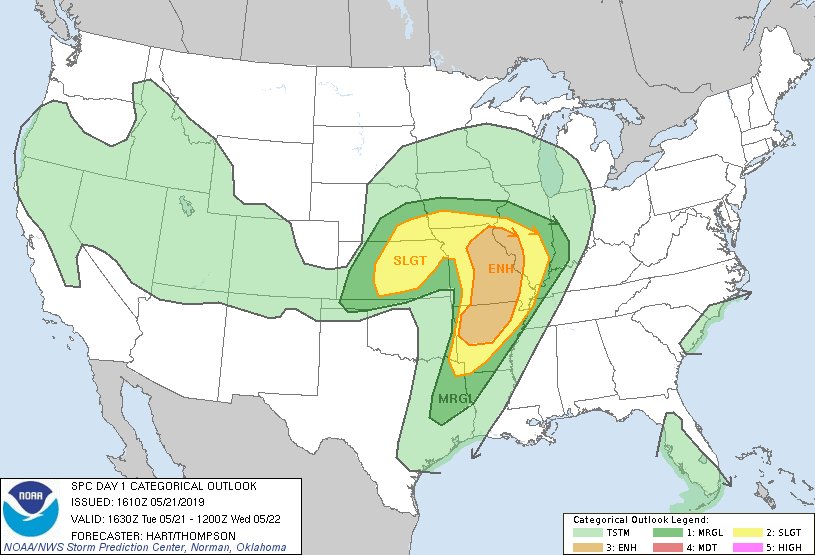
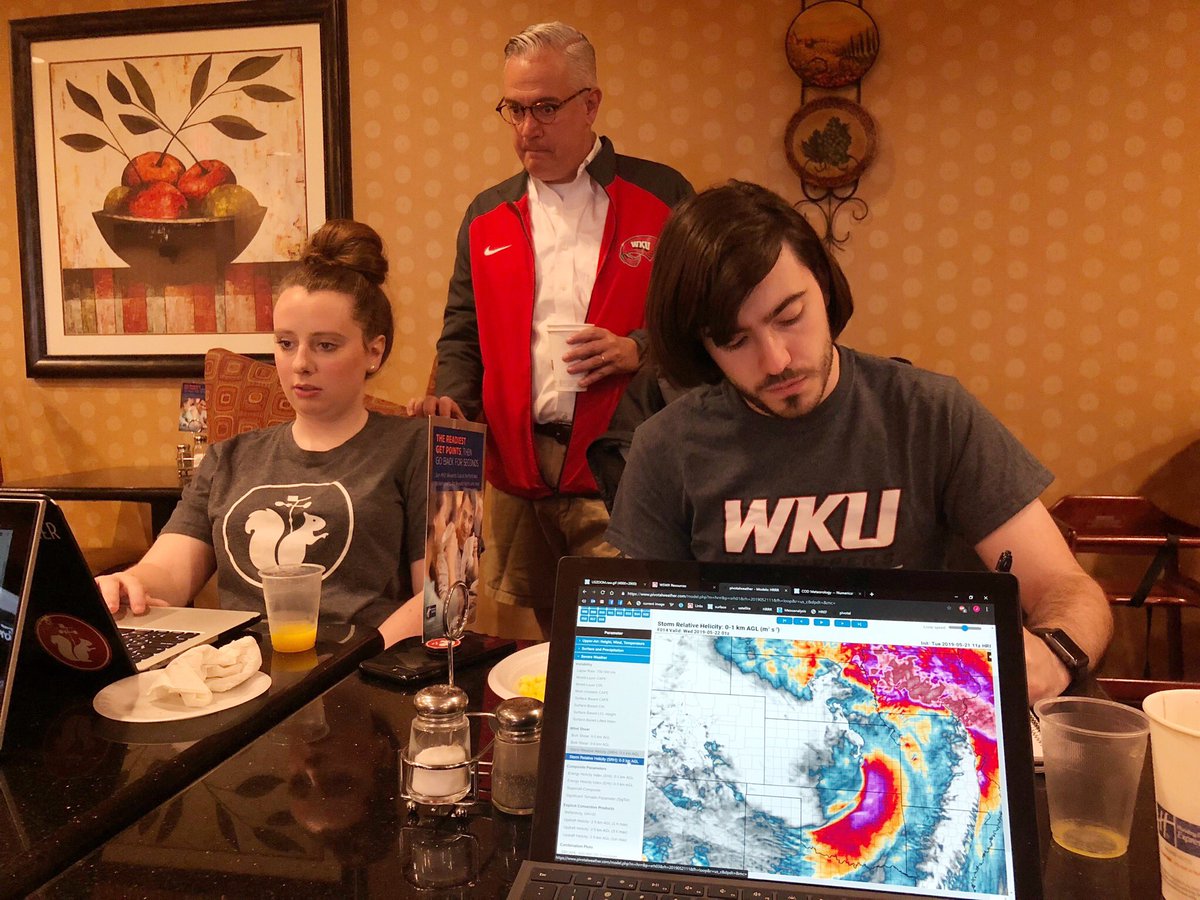
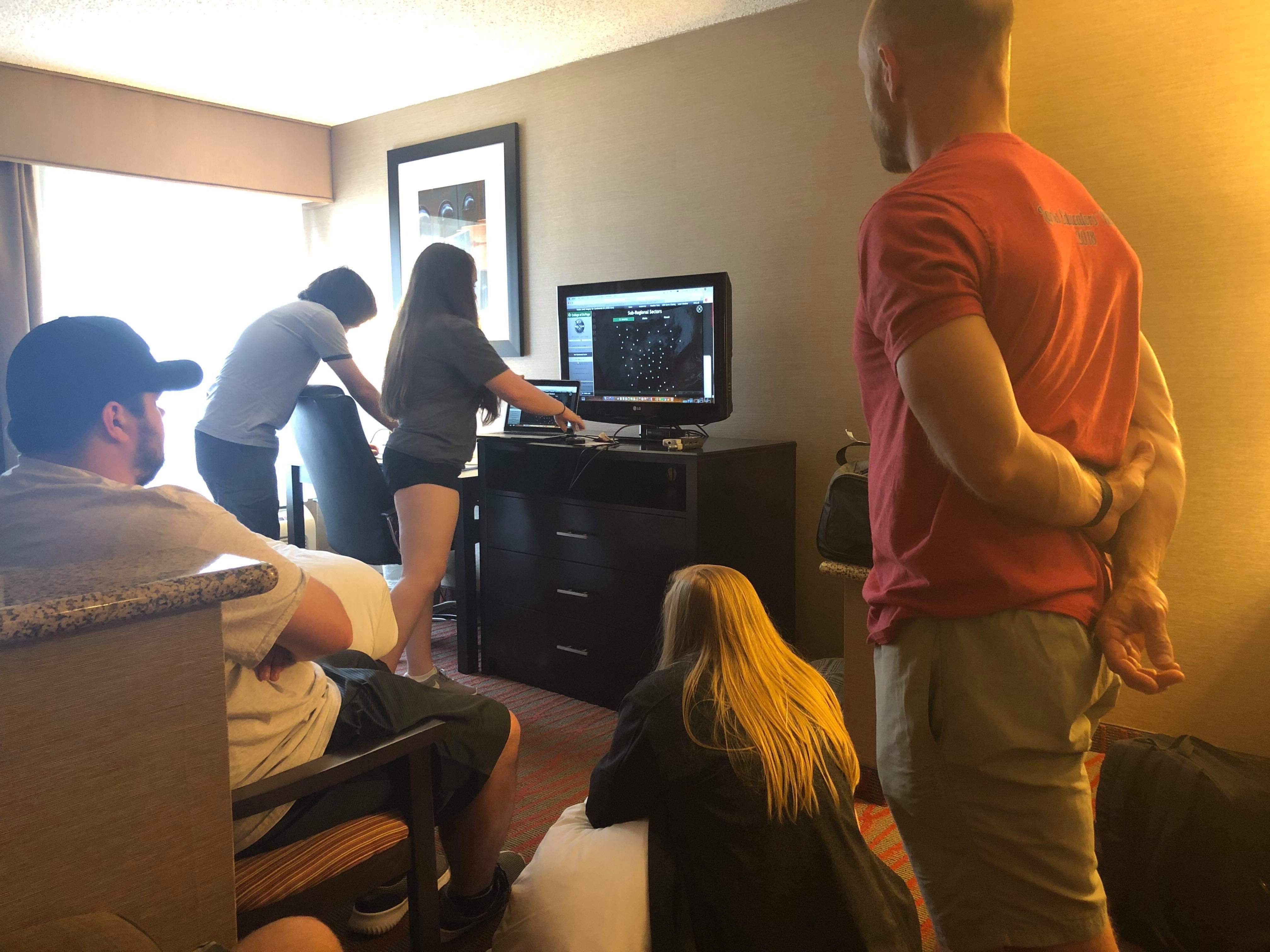
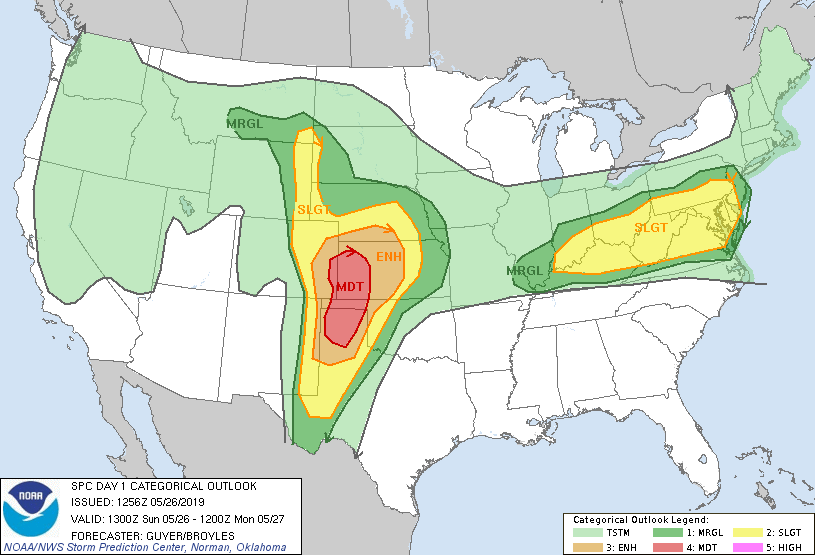
We woke up this day in Garden City Kansas ready to see storms. The models were showing a surface low forming off the Colorado Rockies in the early hours of the afternoon. This low combined with southwesterly flow would create a zone of confluence where storms were likely to develop. The biggest issue would be initiation time. The SPC and models were both calling for early initiation of the storms, and this would lead them to be more linear rather than isolate and discrete. During our morning forecast discussion we determined that north eastern Colorado would be our best target for the isolate super cells we were looking for. This was a moderate risk day for severe weather according to the SPC outlook, and we were ready for it.
The Chase

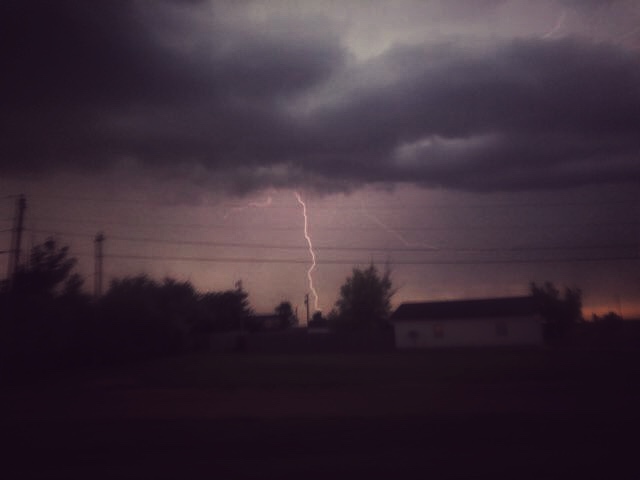
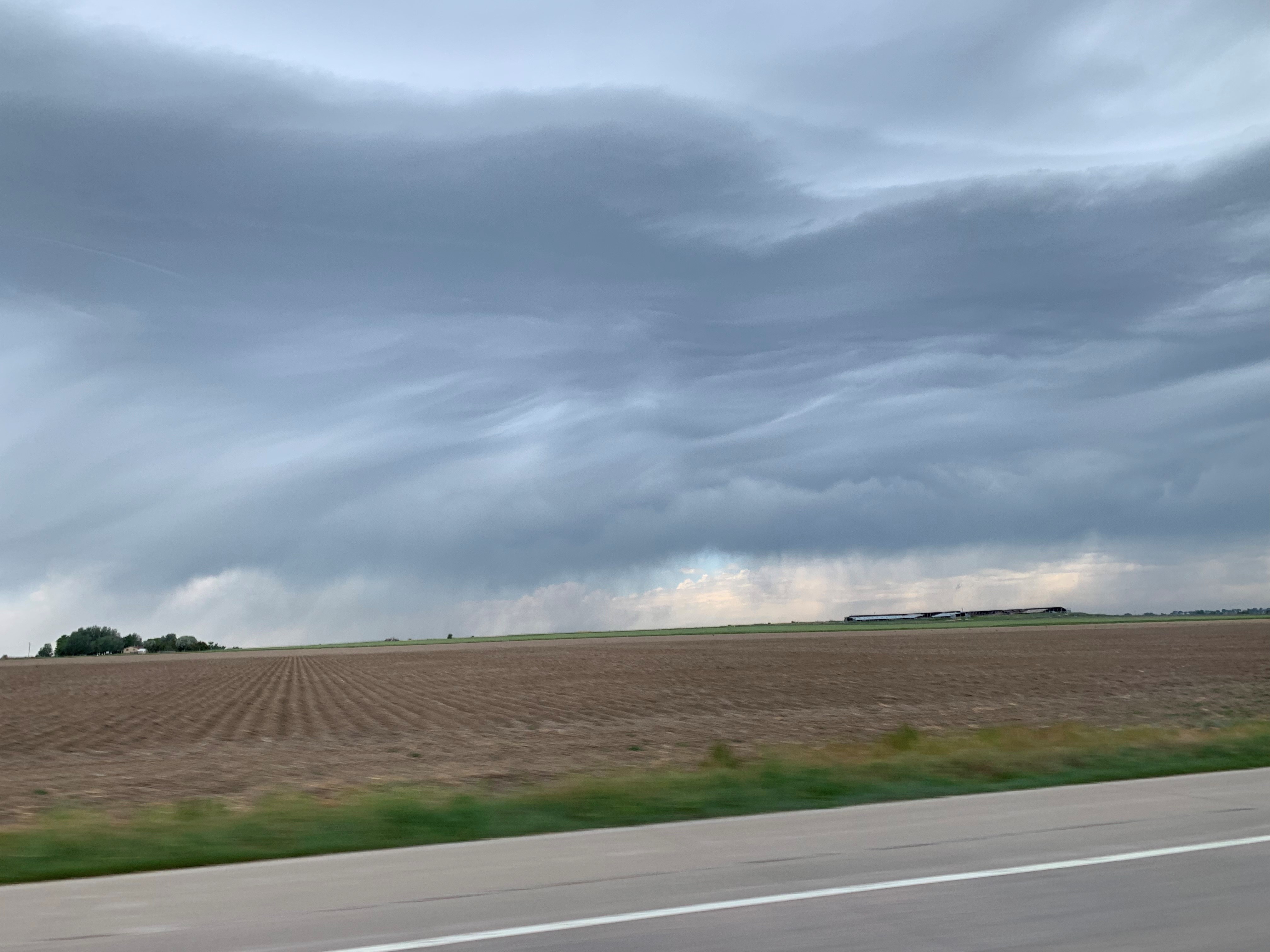
With the forecast discussion over we decided to head out immediately since we were a little ways away from where we wanted to be. The first stop of the day was made in Lamar Colorado for a quite bite to eat from Subway, and a chance to gas up the van. We also saw our first cell of the day in Lamar. It had some cool lightning with it, but it fizzled out without doing much.
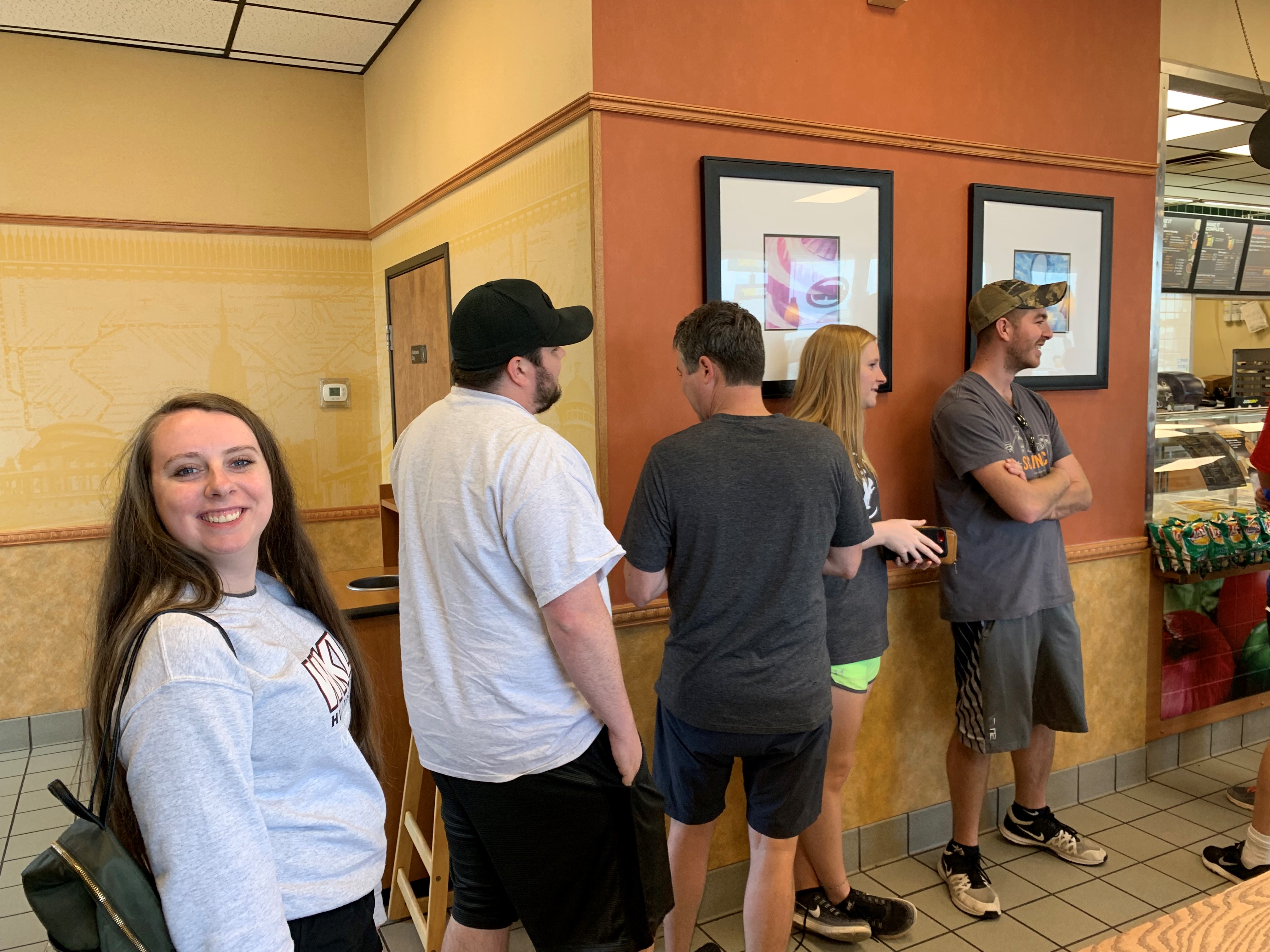
The gang getting lunch at the local subway
First storm of the day in Lamar CO

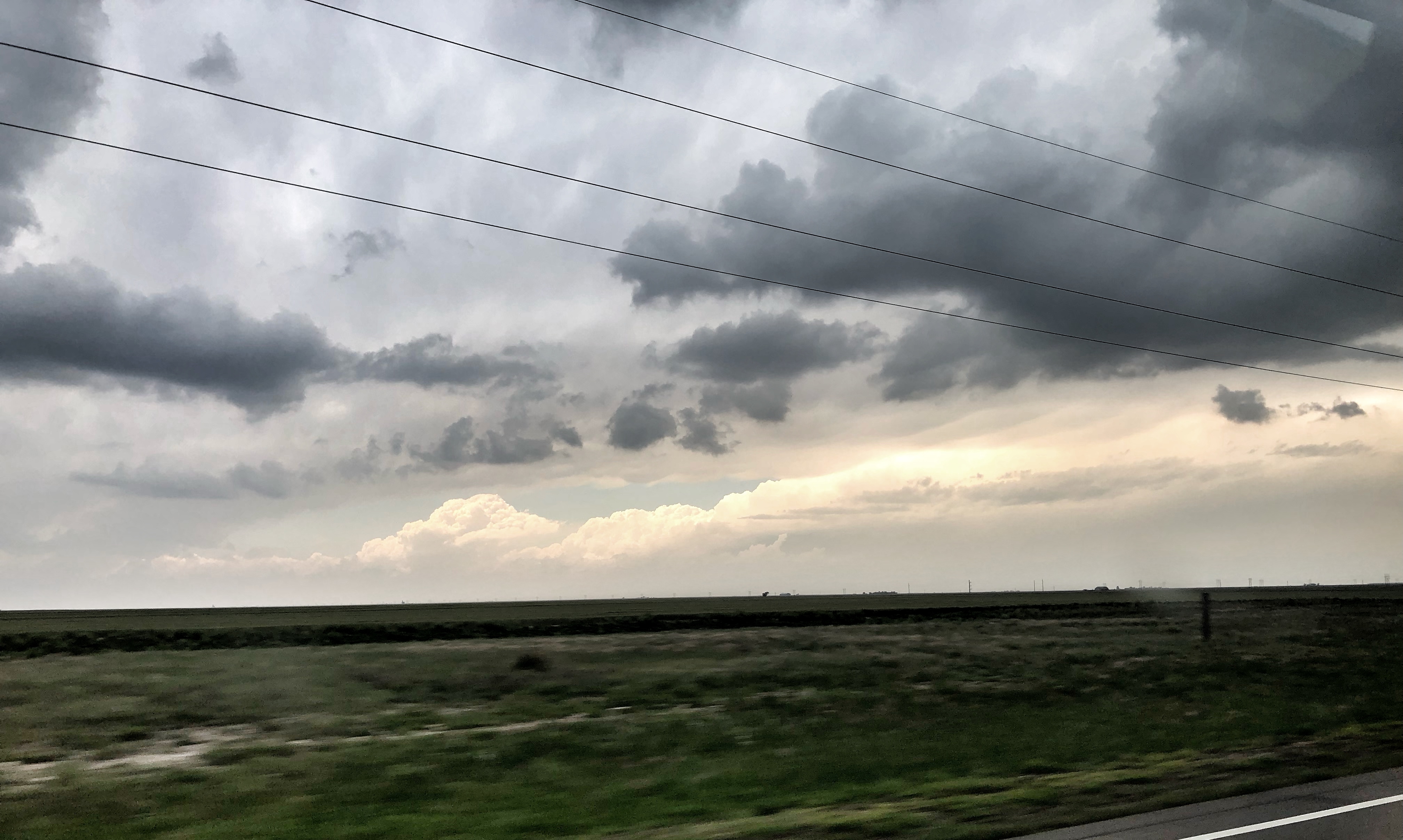
After we left Lamar we headed further north toward Sheridan Lake Colorado. We were waiting for better storm initiation since we knew the best storms of the day would be later in the afternoon/evening. Near Sheridan Lake we were on a cluster of storms that created a daisy chain of small meso-circulations. These storms were not severe warned, but they were interesting to watch until they formed into a single line of storms.
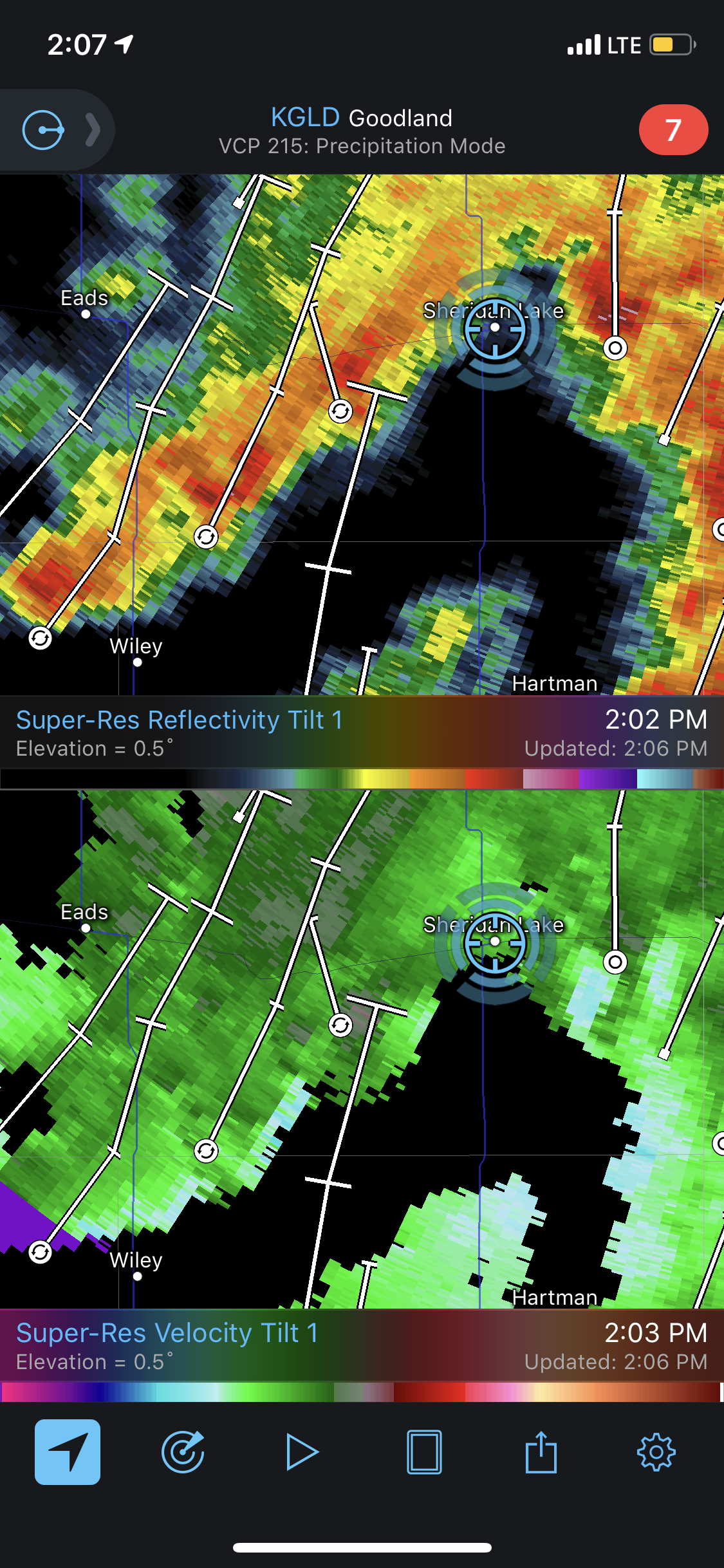
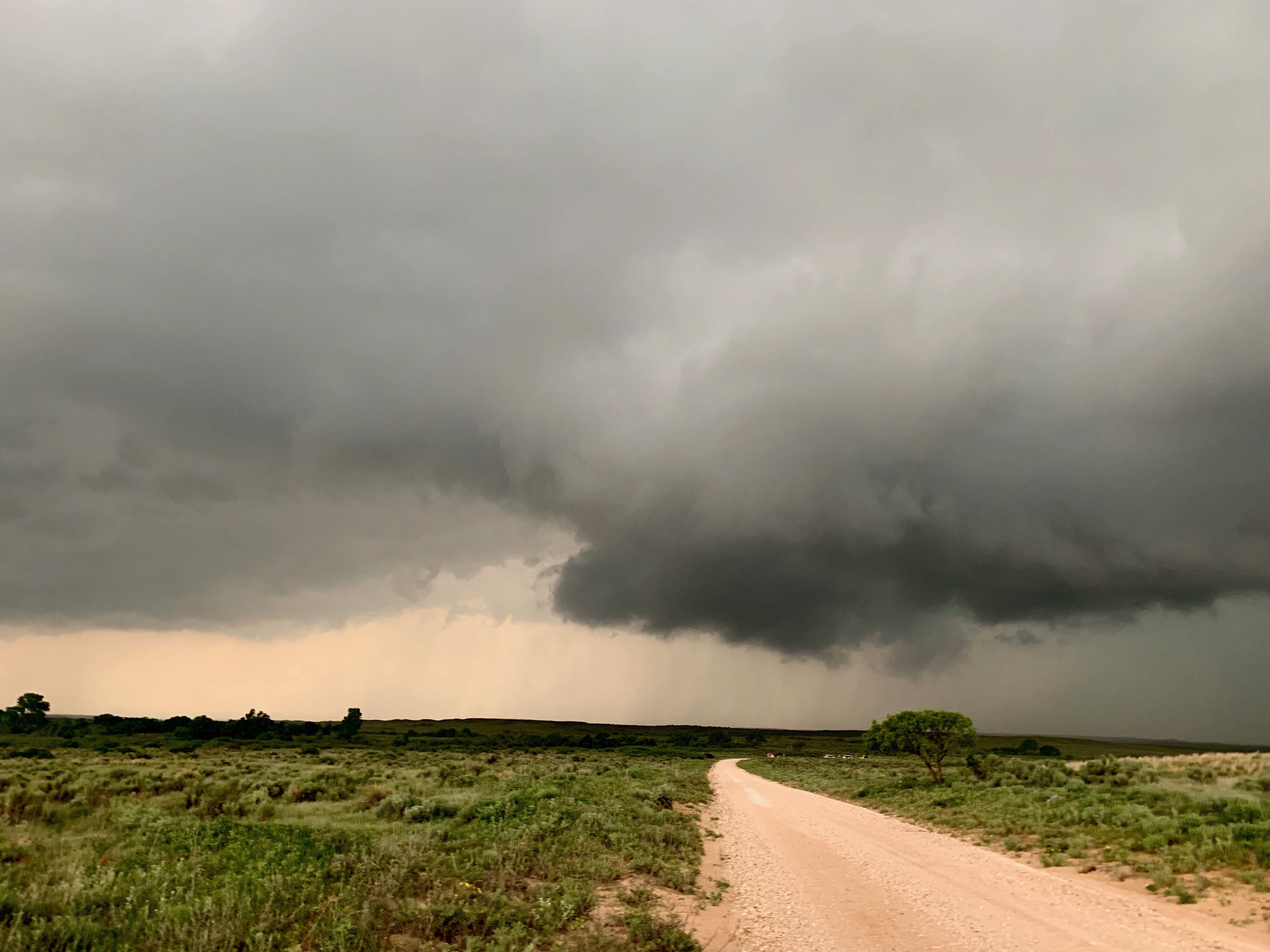
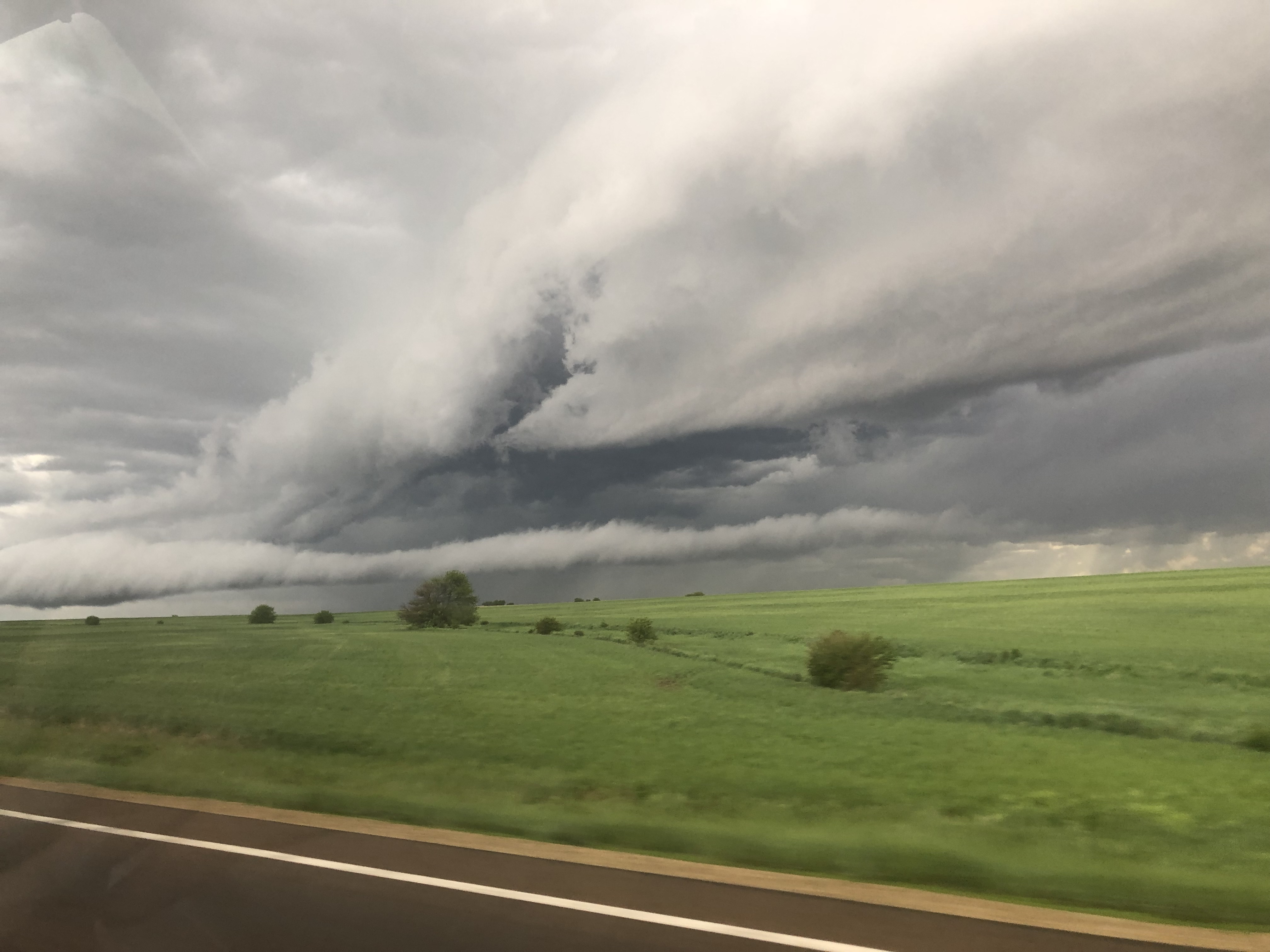
Three individual weak circulations

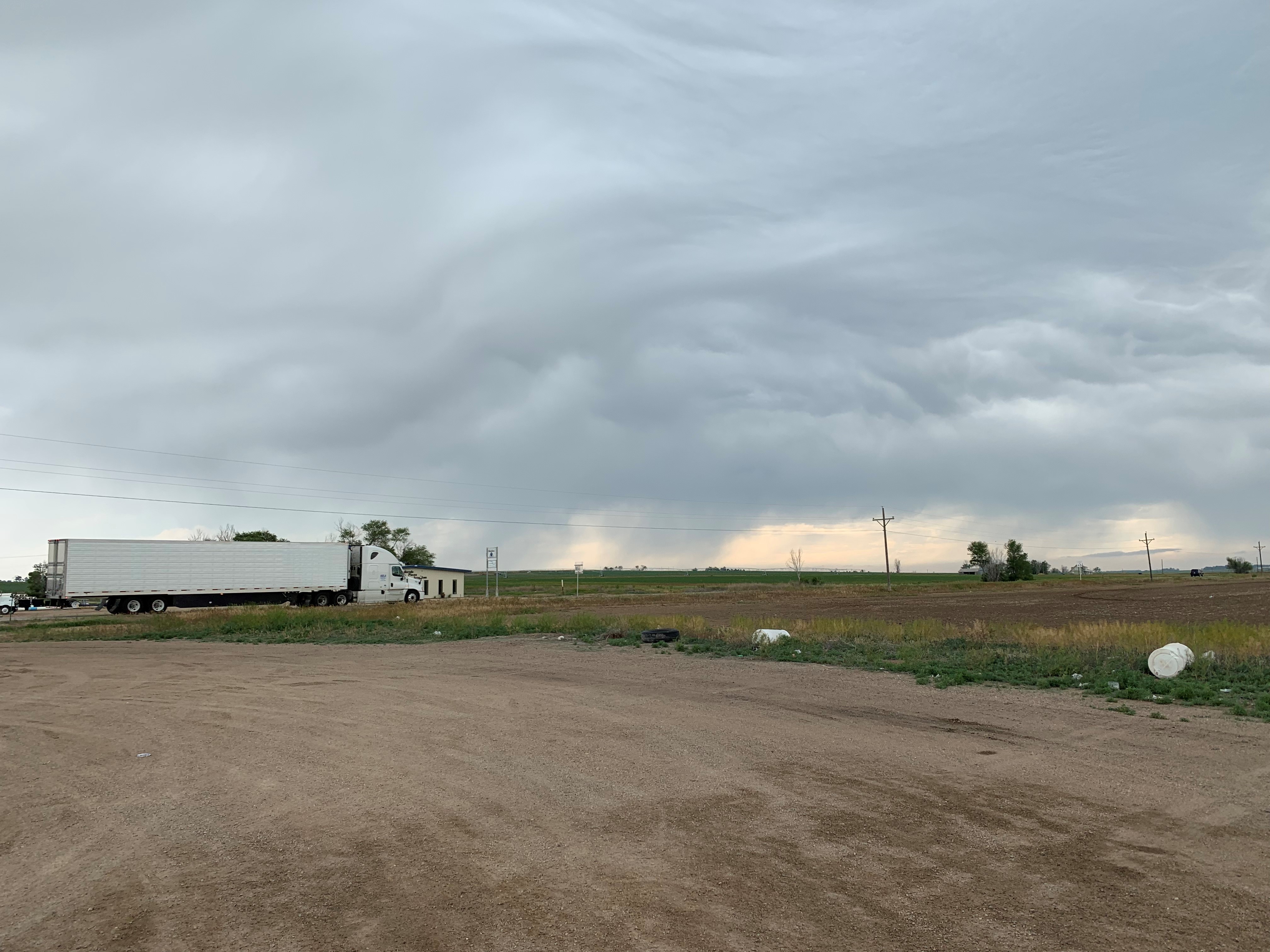
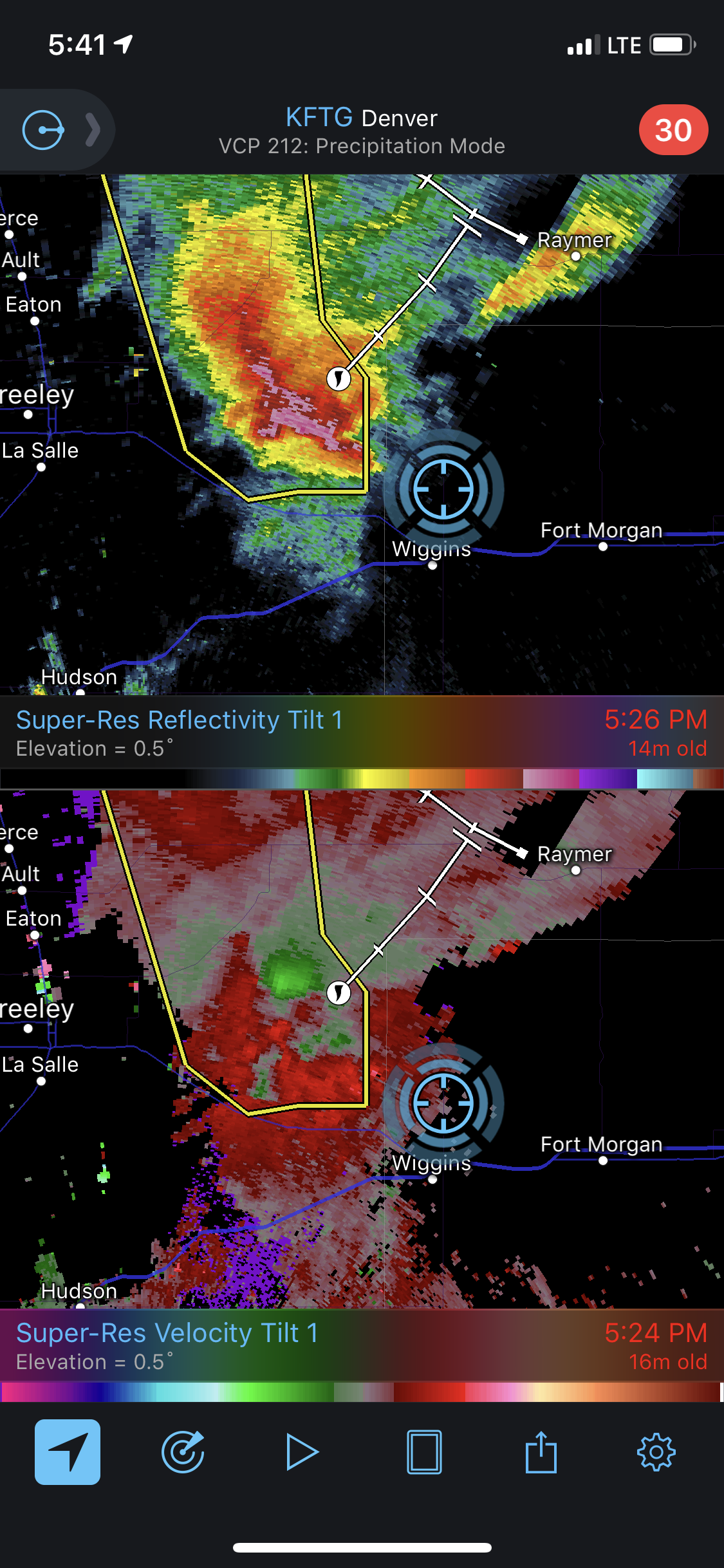
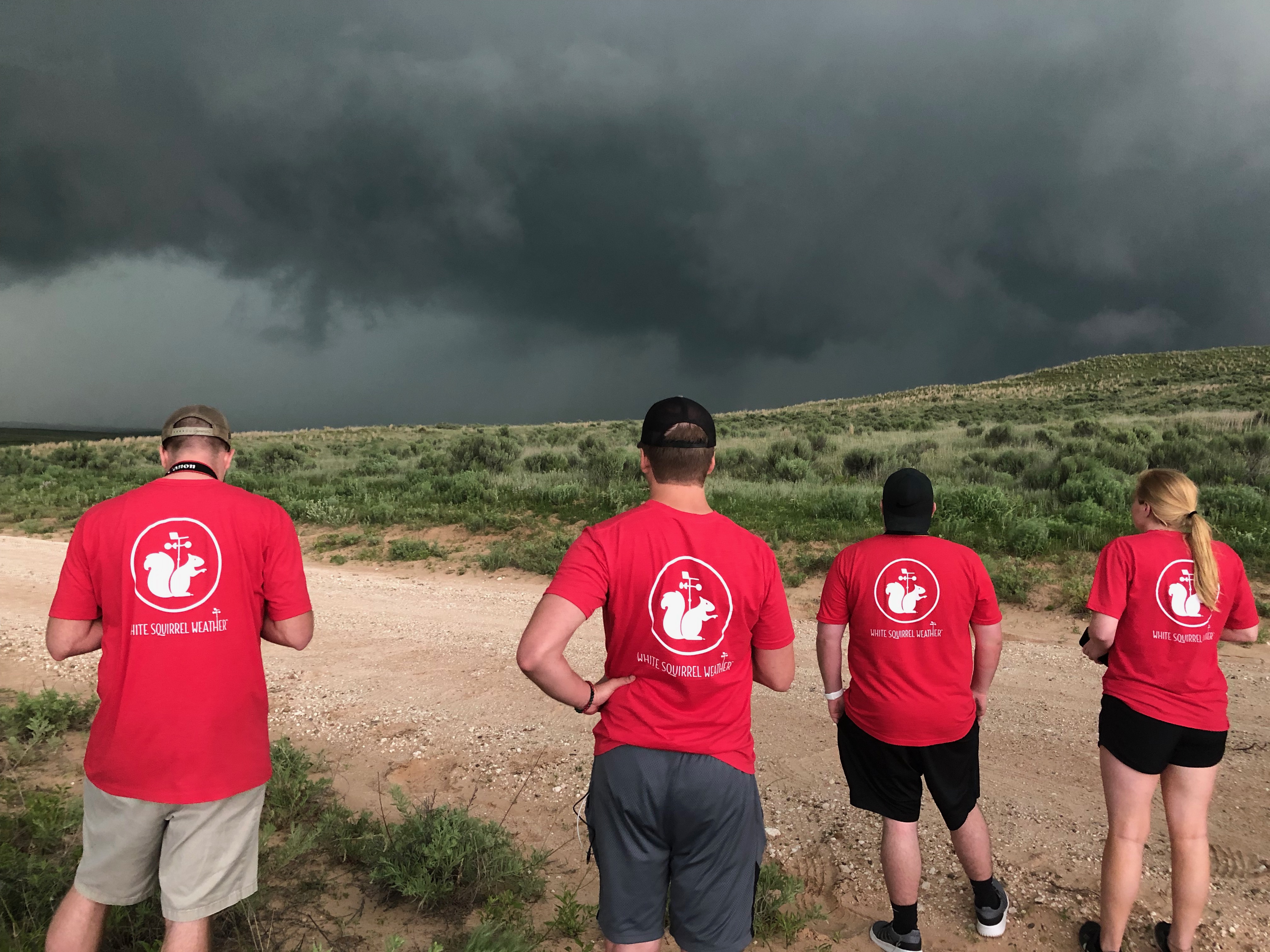
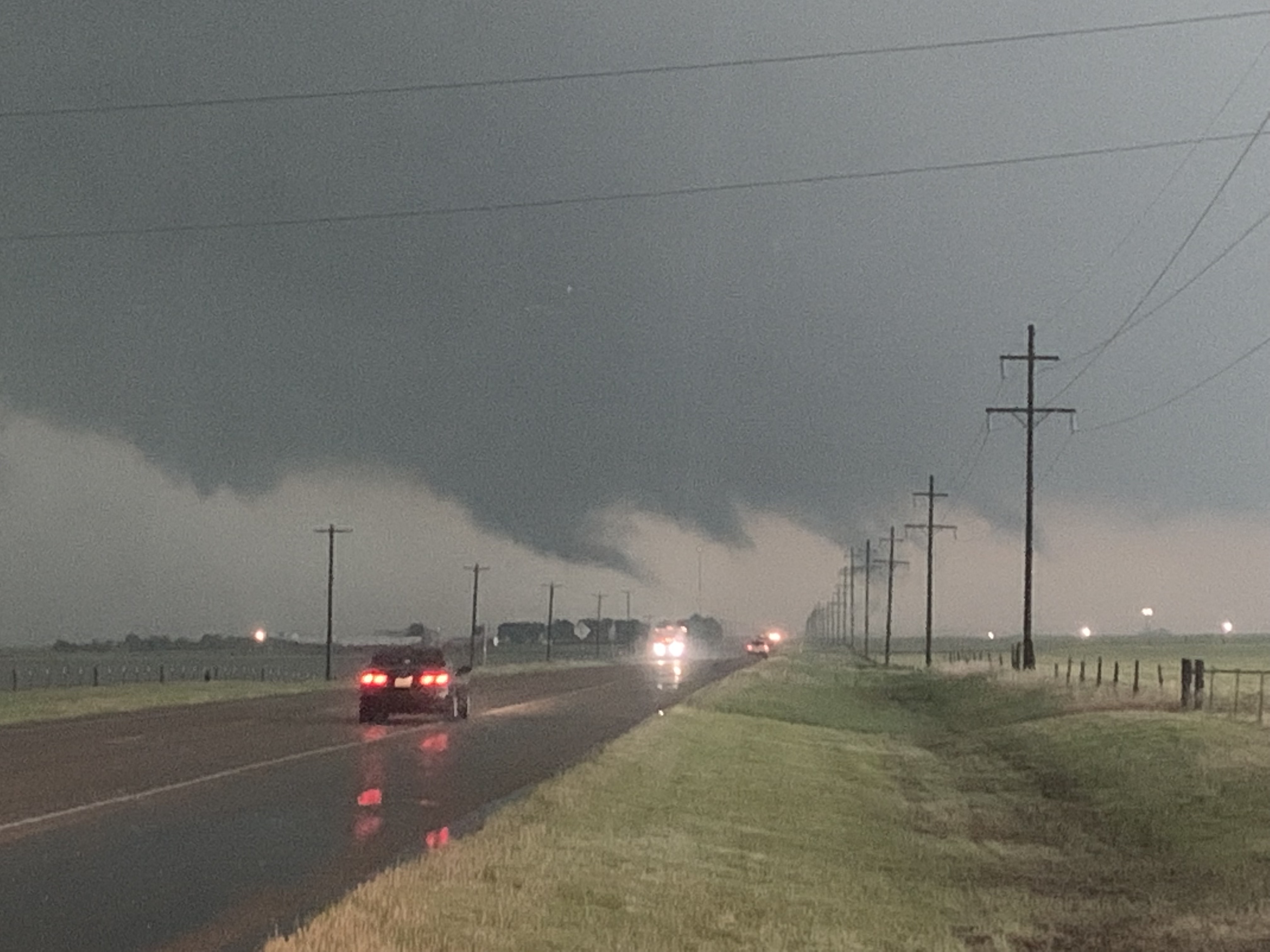
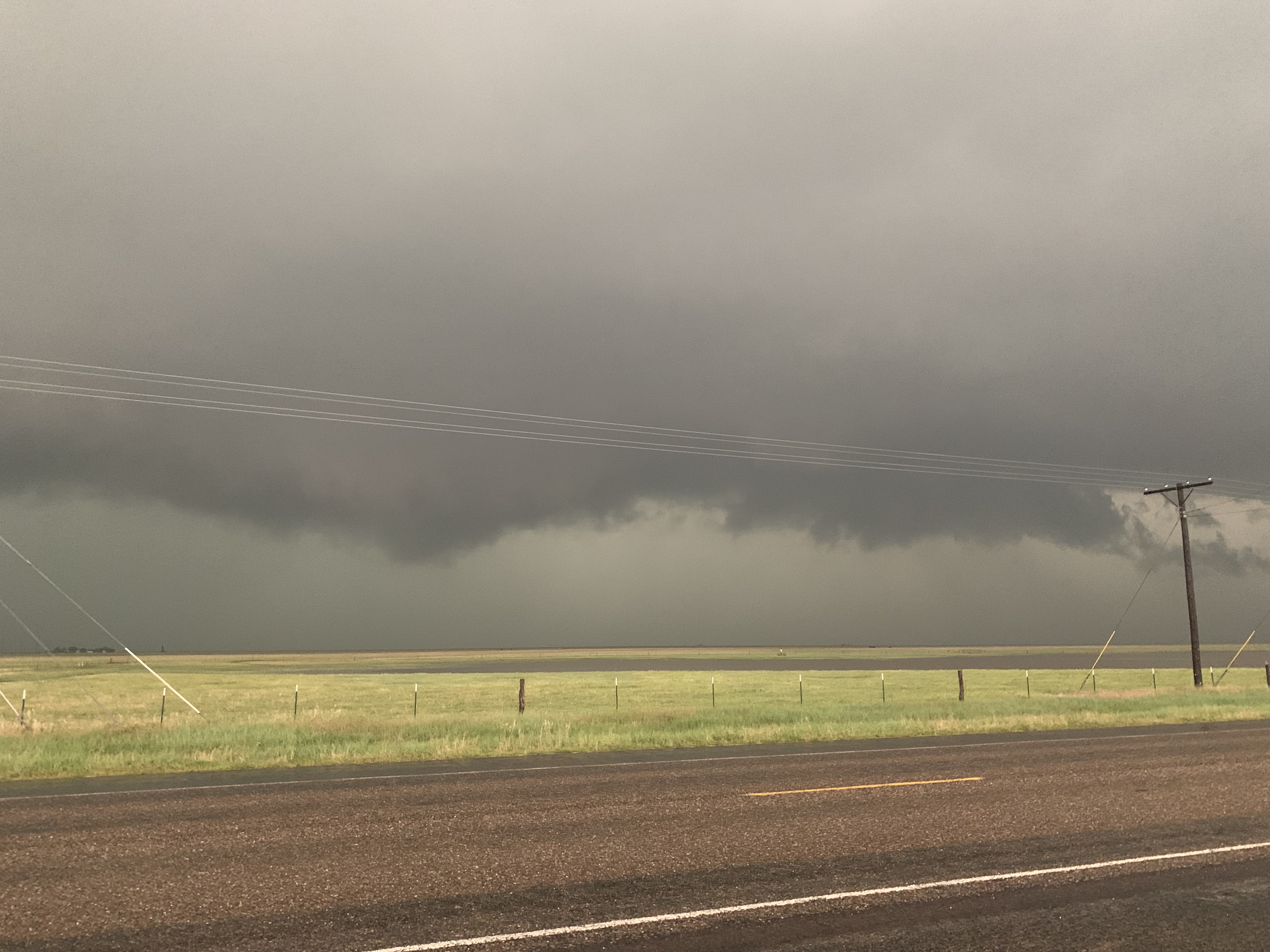
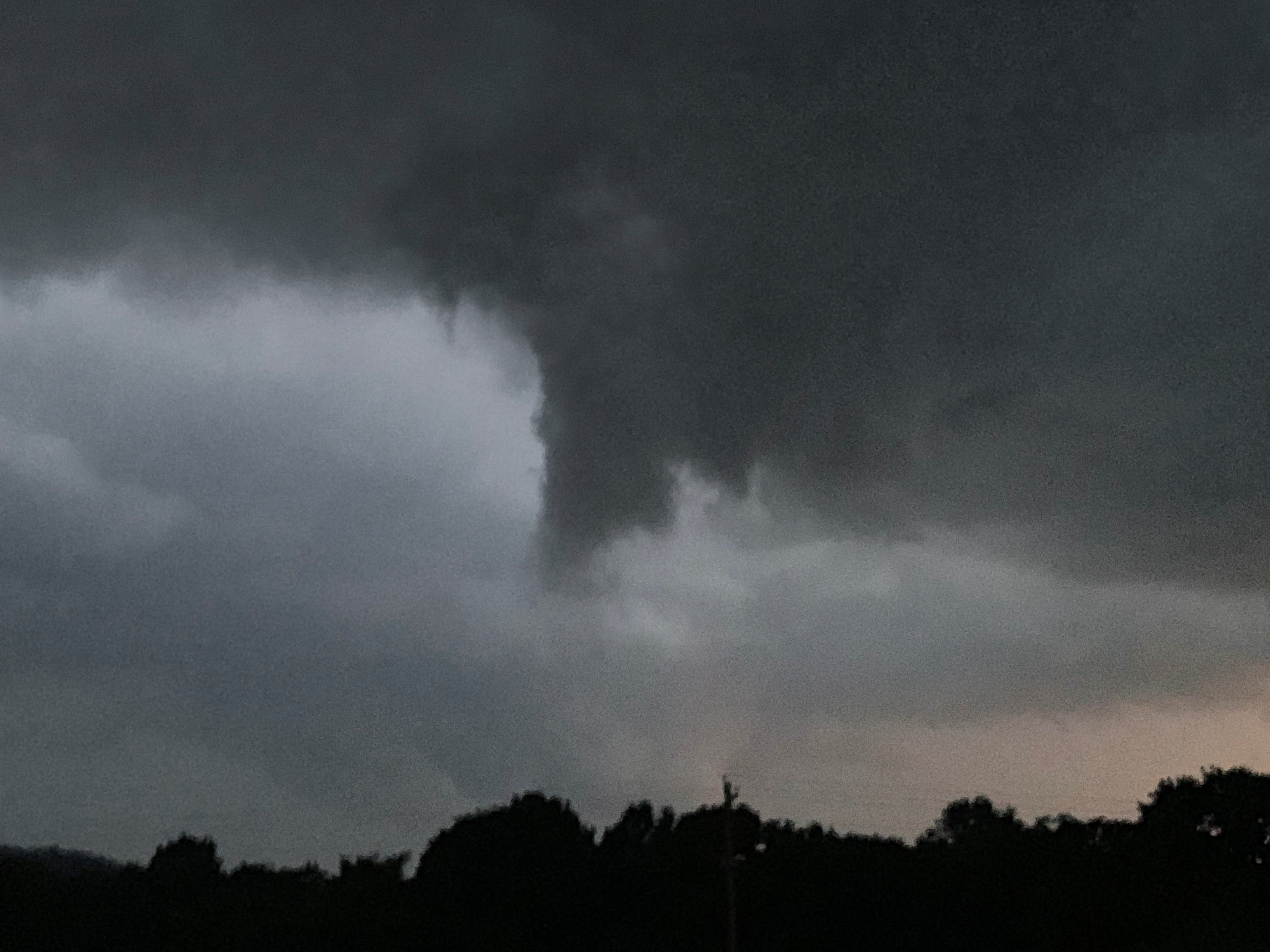
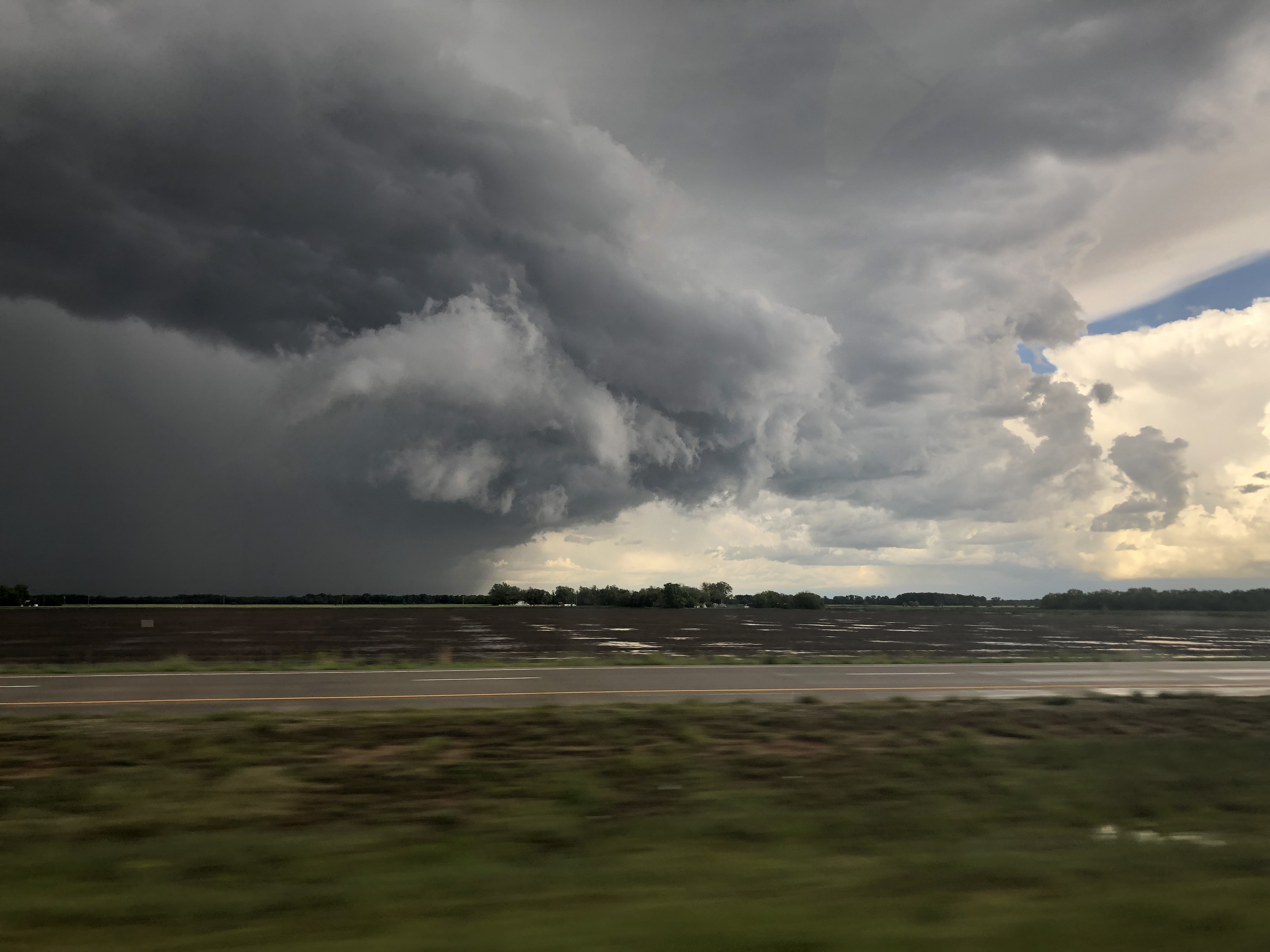
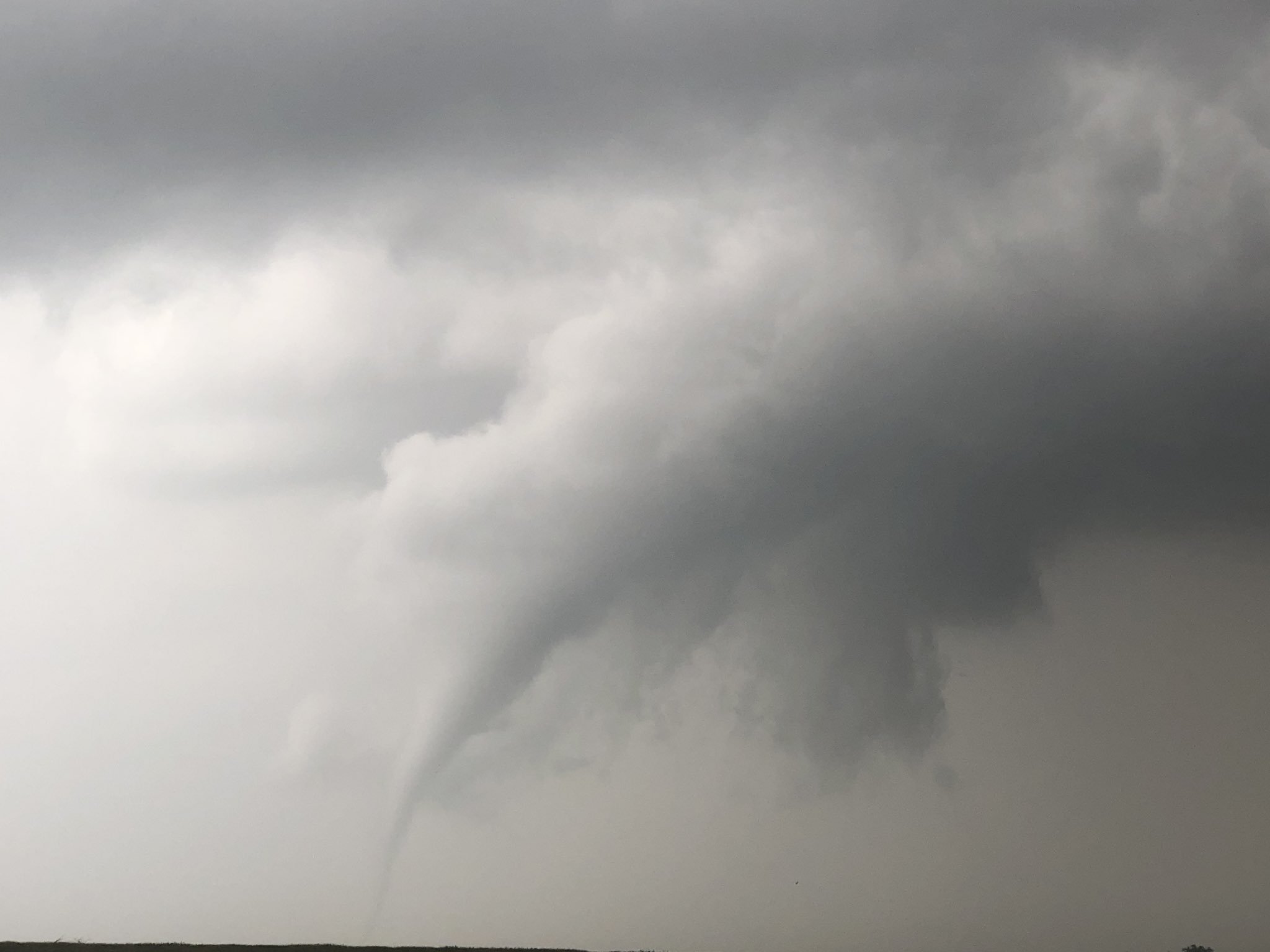
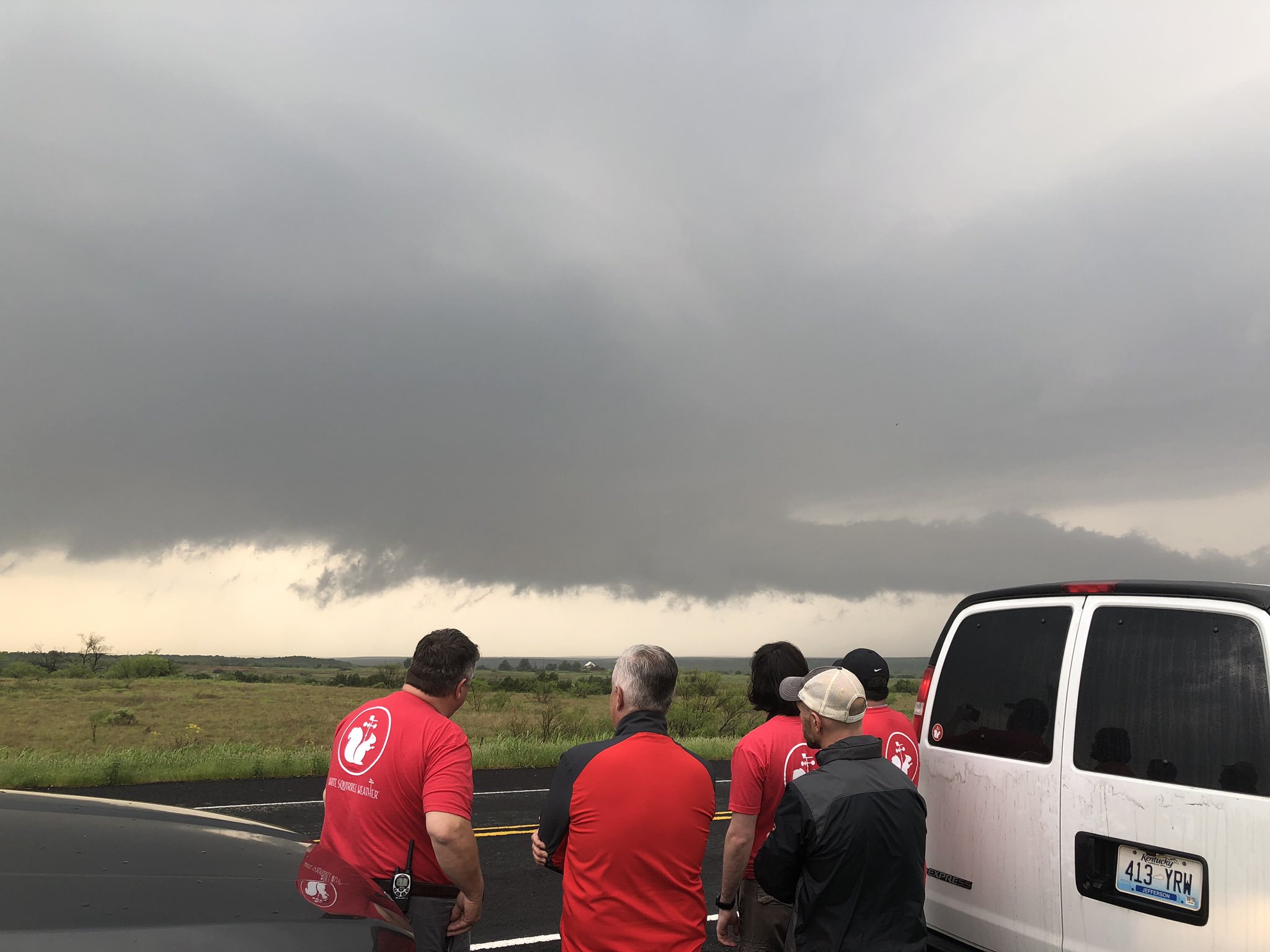
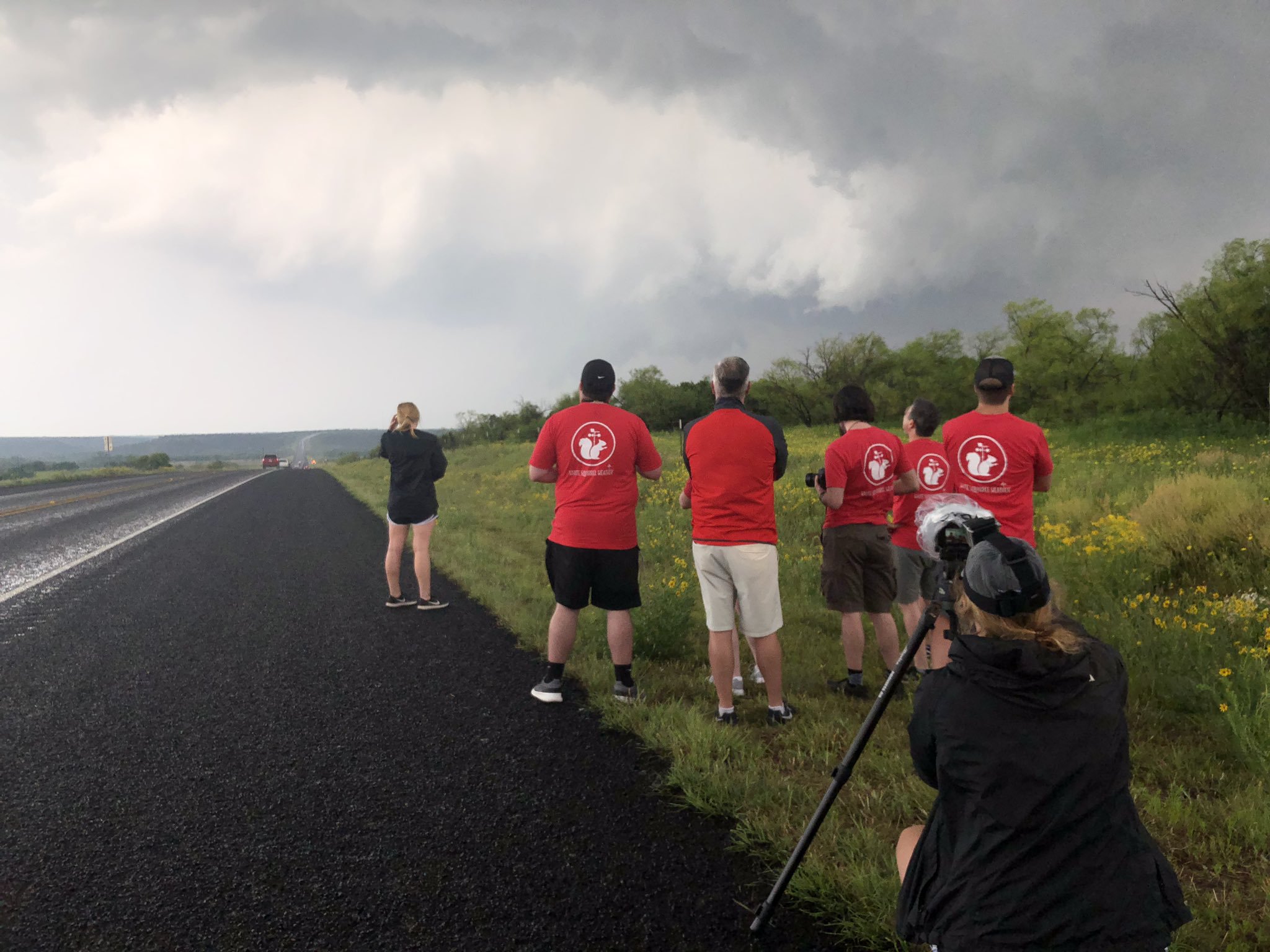
After we left those storms we raced north to be on storms that were firing up near Fort Morgan Colorado. We knew these storms would have better visibility, and they had a greater chance of being isolated longer before they formed into a line of storms with embedded circulations. The best storm we saw today was near Wiggins CO. This storm was isolated, and we had a fantastic view of it. There was some circulation to the storm on the velocity radar product, and we did watch it produce a funnel. However, poor road networks prevented us from staying with the storm long term.
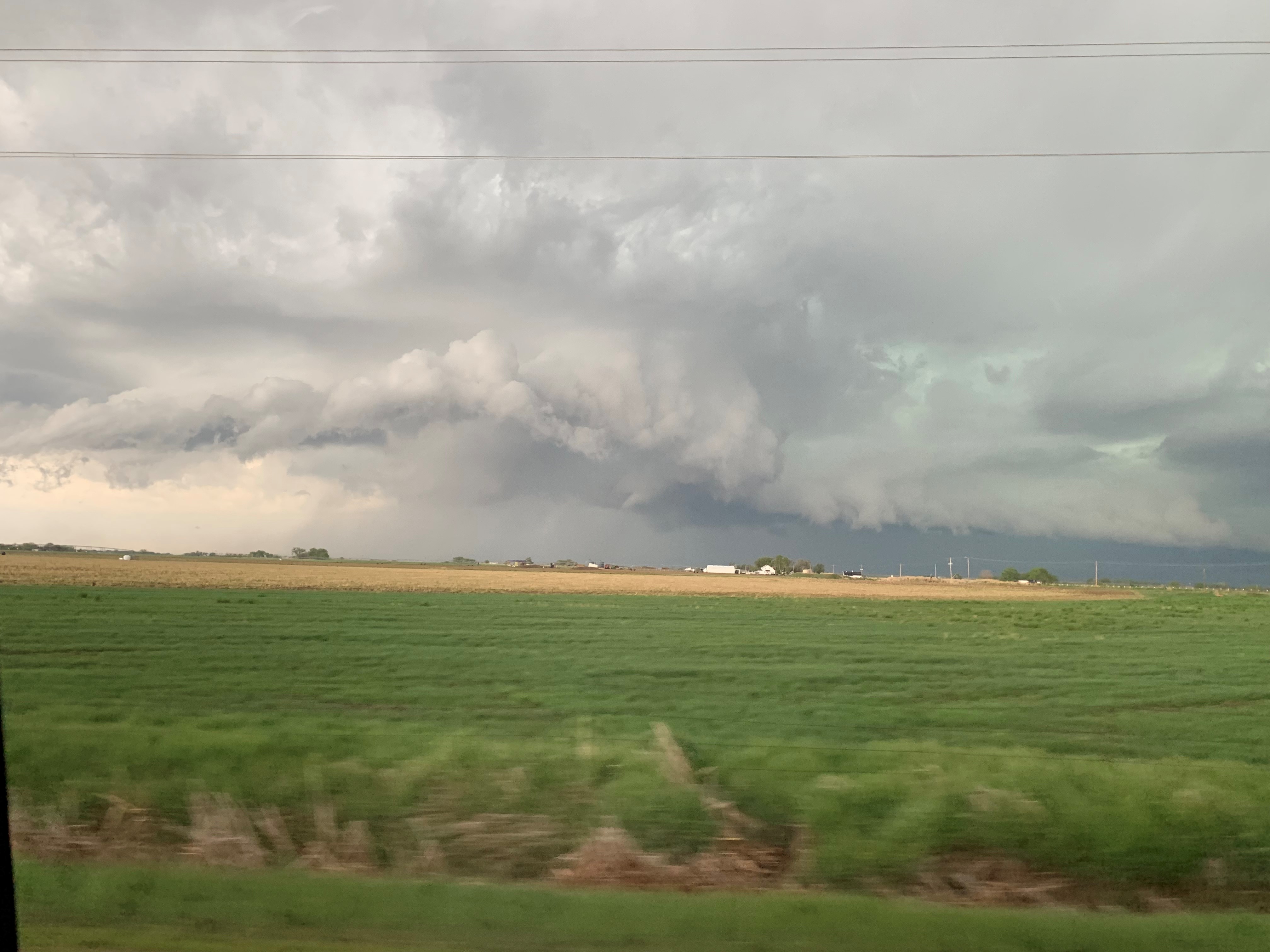
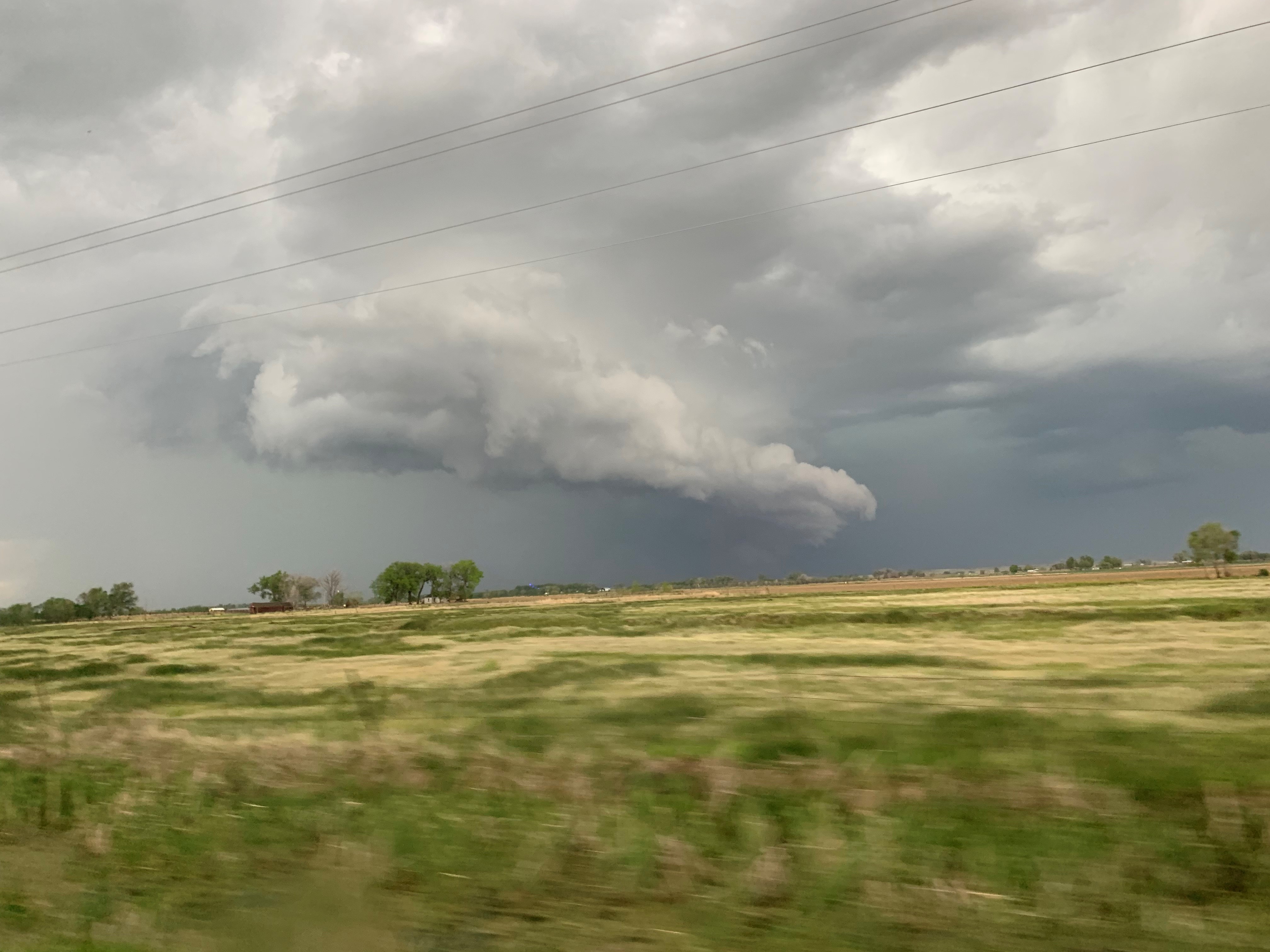
While we were on the storms you could see the Rocky Mountains from where we were. In the sunset they looked amazing.
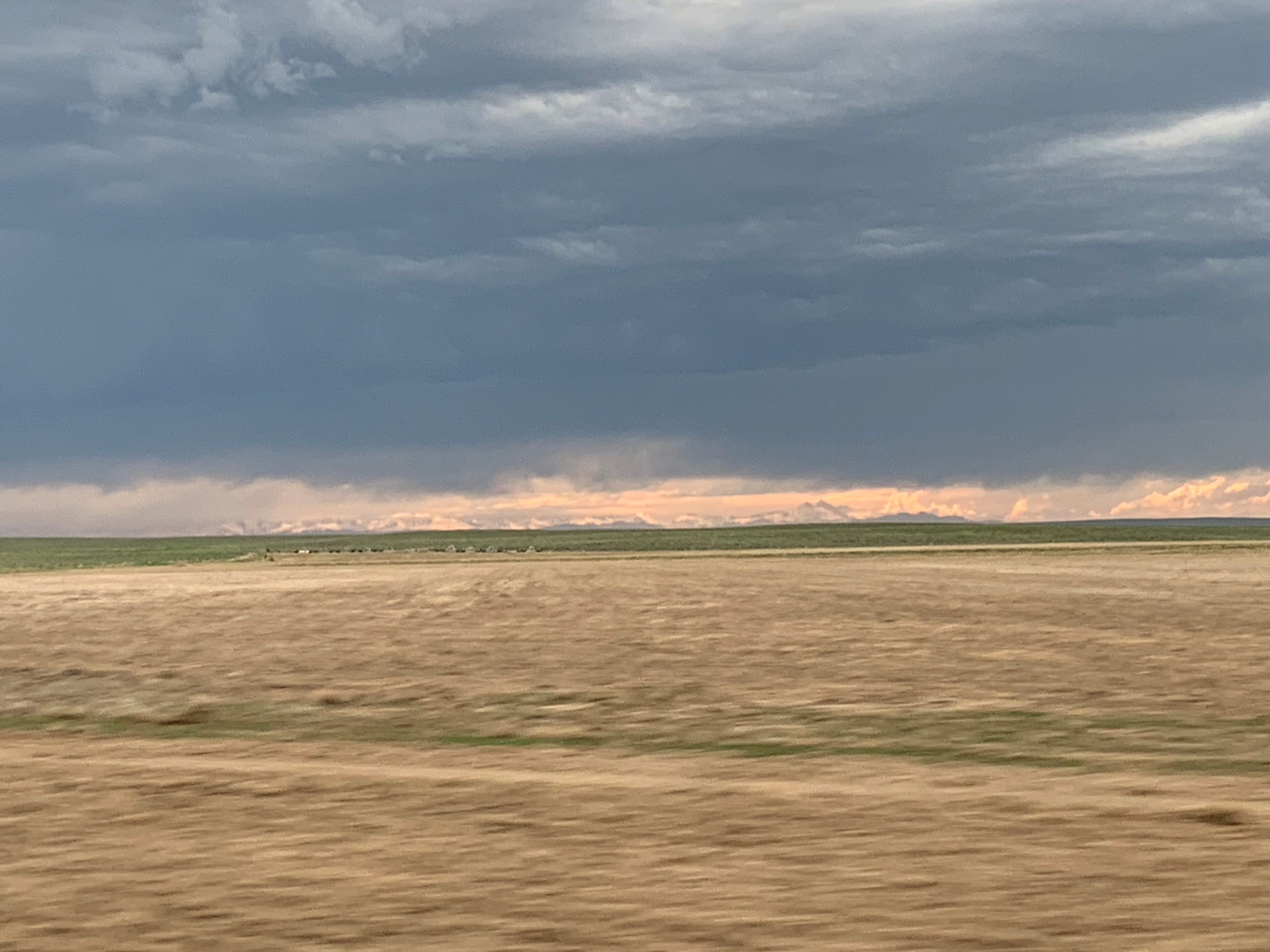
Look the Rocky Mountains!

Conclusion of day 8

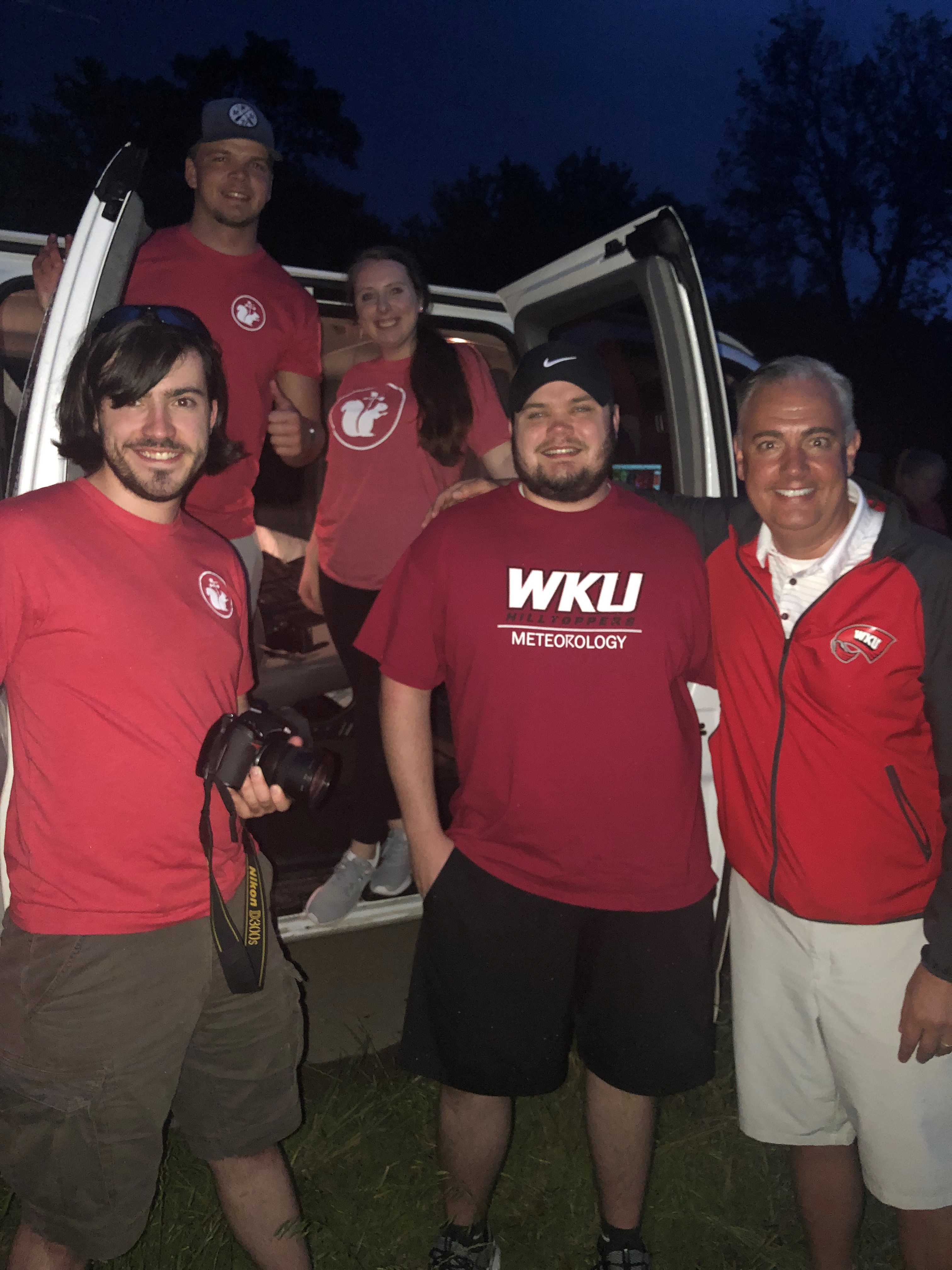
After a long chase day we headed into Sterling Colorado for the night. The long days are starting to show within the group, but our hopes are high to see some incredible storms as we move into the second half of our trip. That night we stopped in a place called The Grill @river city for dinner before heading back to the hotel for bed.
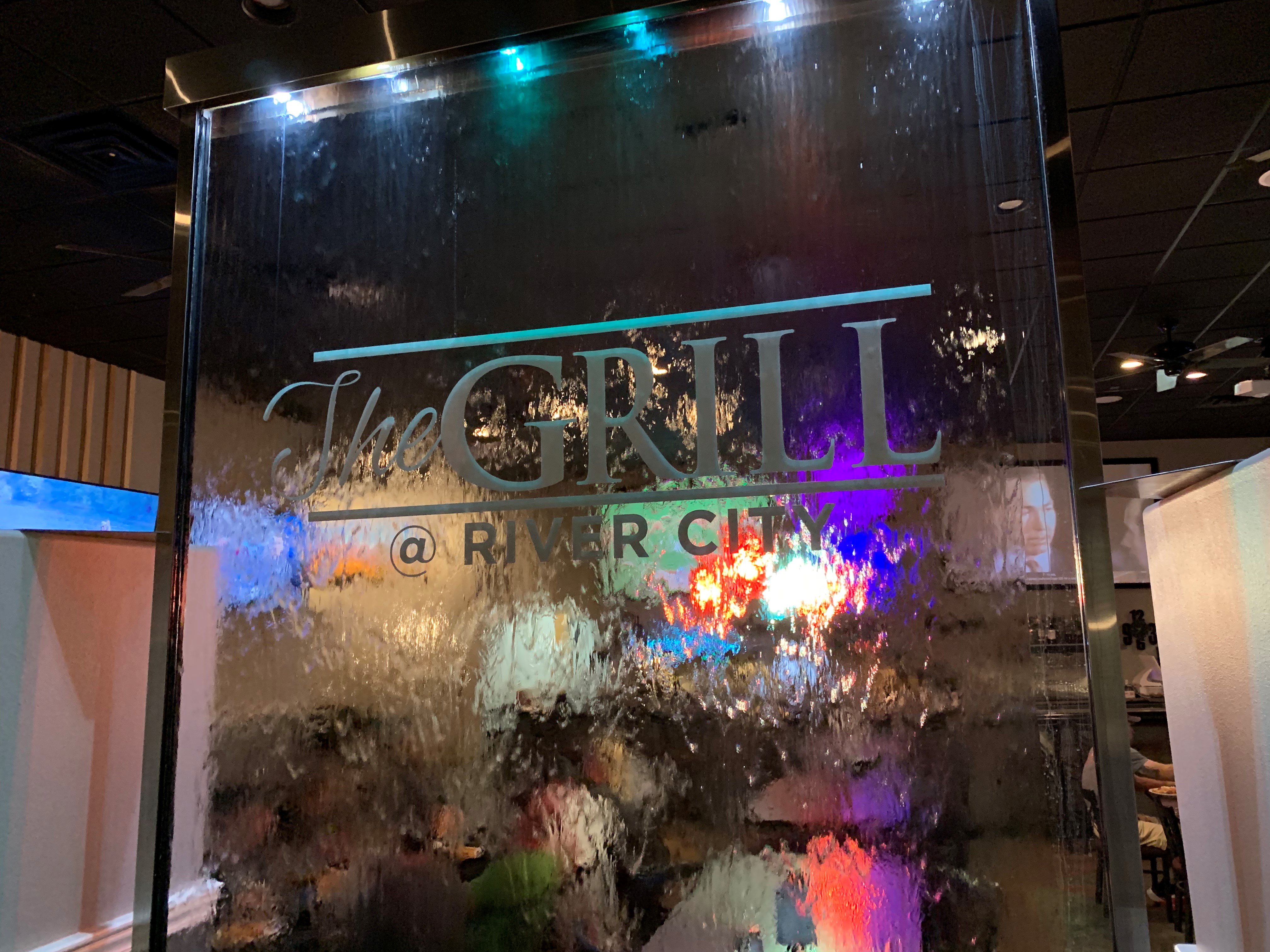
They had a waterfall fountain!
Posted in Kentucky Weather | Tagged , , | Comments Off on WKU Storm Chase Day 8

WKU Storm Chase Day 7

Another day of storm chase in the books. This day was quite tricky, however, we managed to make the best of it.

The Set-Up

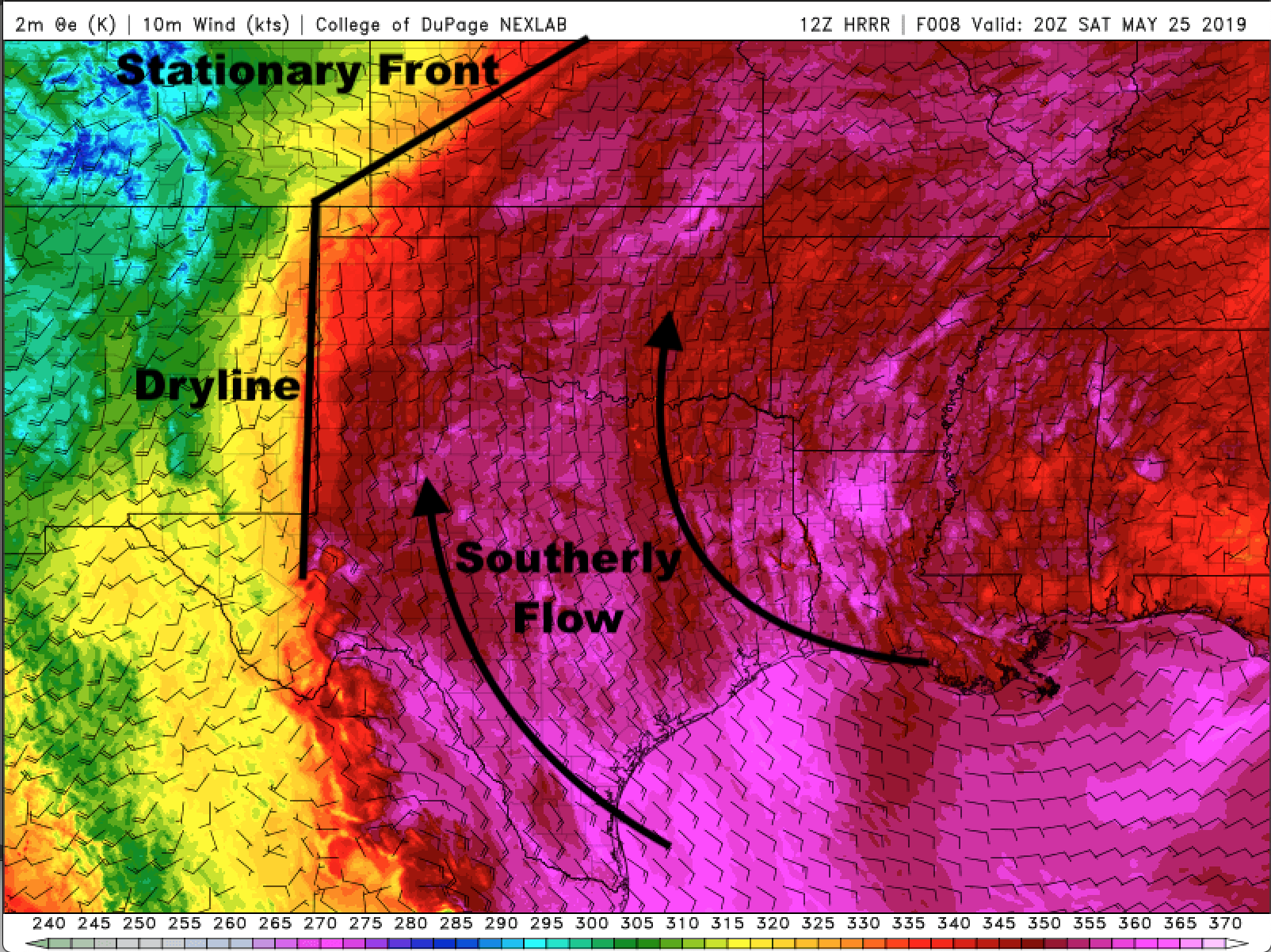
Our day, once again, started out in Amarillo, Texas. The surface observations were showing a stationary front extending from the northeast corner of the Texas panhandle going northeast into central Kansas. The winds throughout Texas were warm and strong from the South and the moisture was high, as well. The 12 Z run for the High Resolution Rapid Refresh (HRRR) model was showing a dry line strengthening and propagating right over the New Mexico-Texas state border any where from 19-20 Z (2 – 3 pm CDT). Along with the dry line, the intersection of the stationary front and the dry line was another point of interest when considering our target for the day.

Annotated Theta-e map generated by the HRRR at 20 Z (3 pm CDT)

The Chase

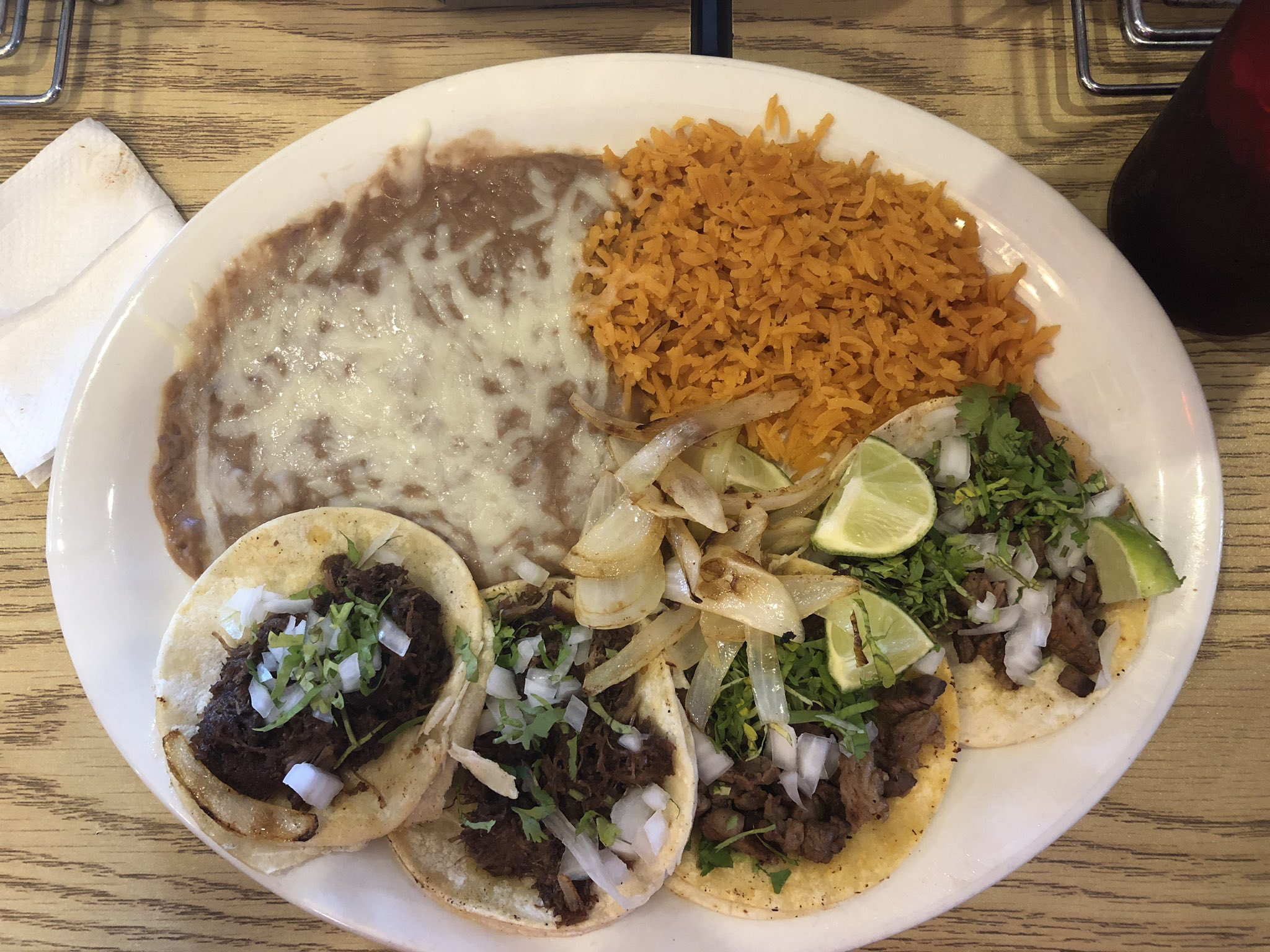
The group packed up and left soon after the forecast discussion. In the van, we decided to head north toward Dumas, Texas. The storms were just beginning to develop in the far west Texas panhandle, which gave us enough time to visit Los Potrillos Mexican Restaurant. The food was great and the service was impeccable.

We recommend the tacos!

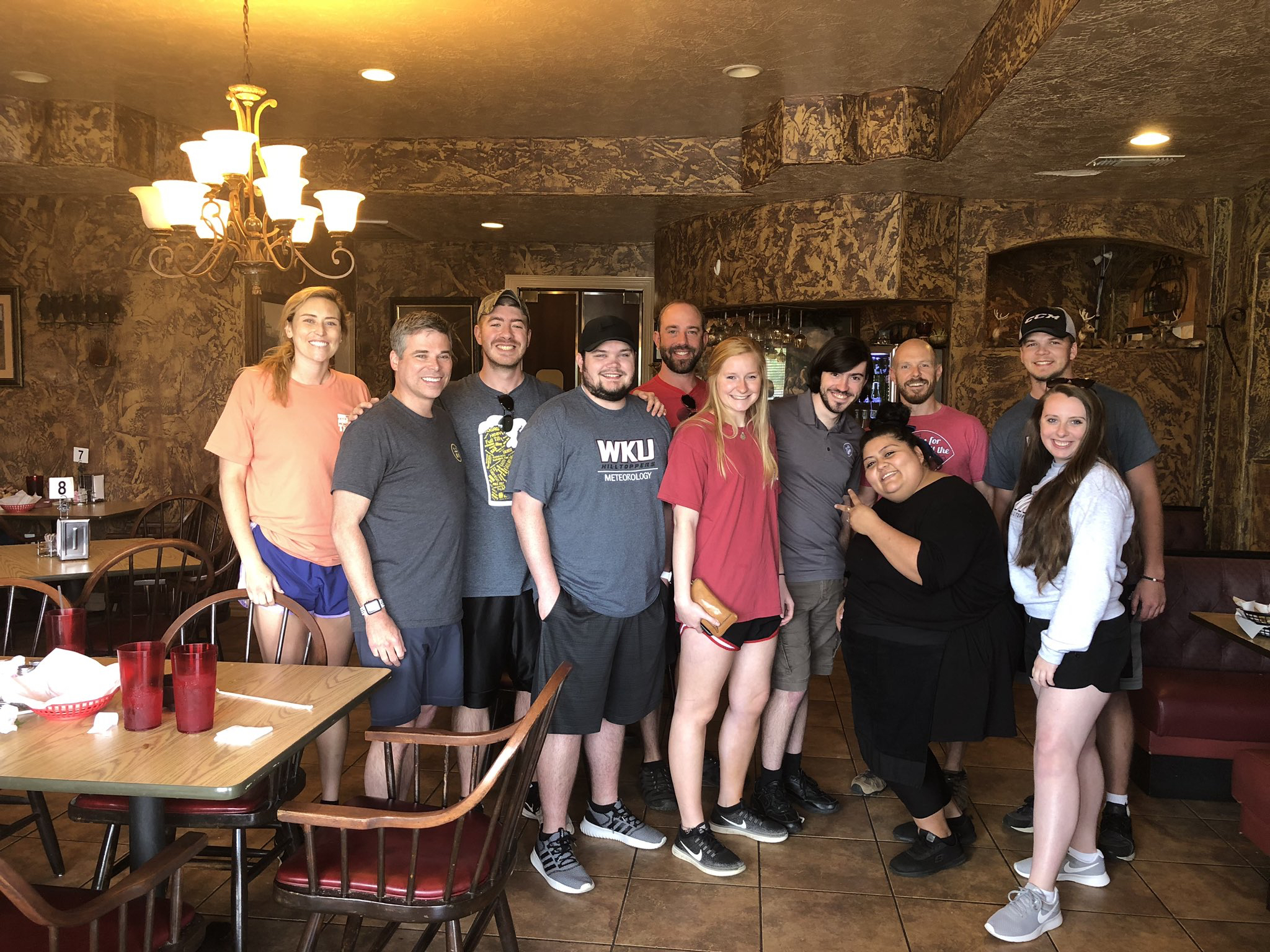
We also met Corrina; she remembered the storm chase group from 2017.

Meet our new friend, Corrina!

After lunch, we went drove out of the lovely city of Dumas and watched a storm roll in. The lightning was the best part about this storm.

Check this bolt out!

The storm started weakening and another storm in far southeast Colorado caught our eye. We merged onto the highway and headed for the Campo, Colorado supercell. The visibility was improving tremendously, which lightened our spirits for this chase day. In fact, the air was so clear, we could see the storm while we were 50 miles away.

Our view of the Campo, Colorado storm from 50 miles away!

We met the Campo storm near Manter, Kansas. The storm had widespread rotation and looked like it could tighten up at any moment. Our route around the storm consisted of dirt roads that occasionally looked like loose, sandy roads. We maneuvered with the storm and stopped just east of it to watch what it would do. The next radar scan came in, and the rotation was tightening up but the hail was also moving toward us. We started driving around the storm away from the hail and kept our eye on the rotation. A nice funnel formed for seconds and nearly made it half-way to the horizon.

We watched the storm move away and decided to head for our hotel in Garden City, Kansas. We arrived to the hotel relatively early and headed for a nice relaxing dinner at Old Chicago.

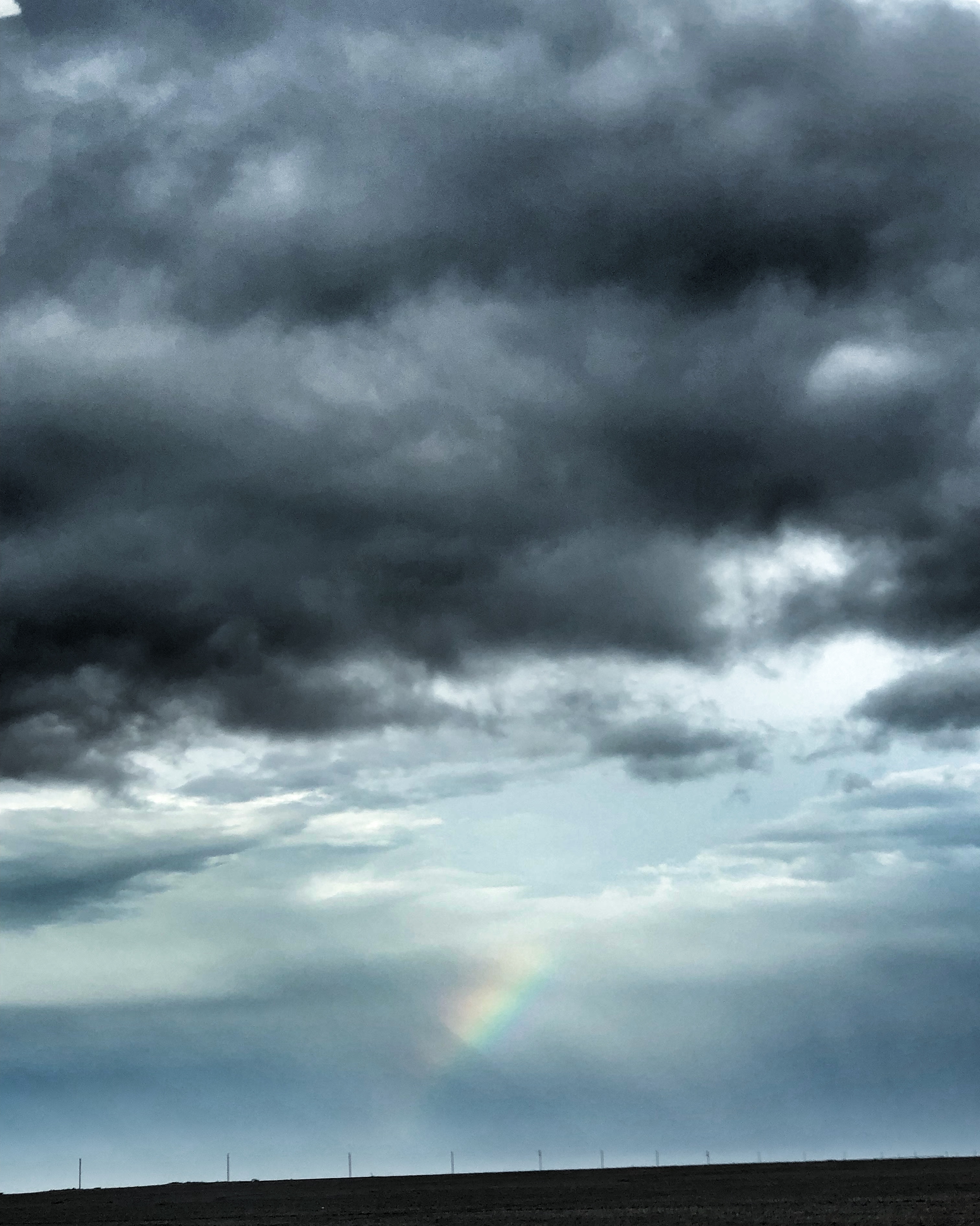
Today was a calmer day for the storm chase group; it was pretty light in travel for us. Also, we spotted a rainbow to top Day 7 of chase off.

Posted in Kentucky Weather | Comments Off on WKU Storm Chase Day 7

WKU Storm Chase Day 6

Our morning began with a forecast discussion in Shamrock, TX. We knew that our travel distance wouldn’t be as long, so we were able to have a relaxed morning.

Atmospheric Setup

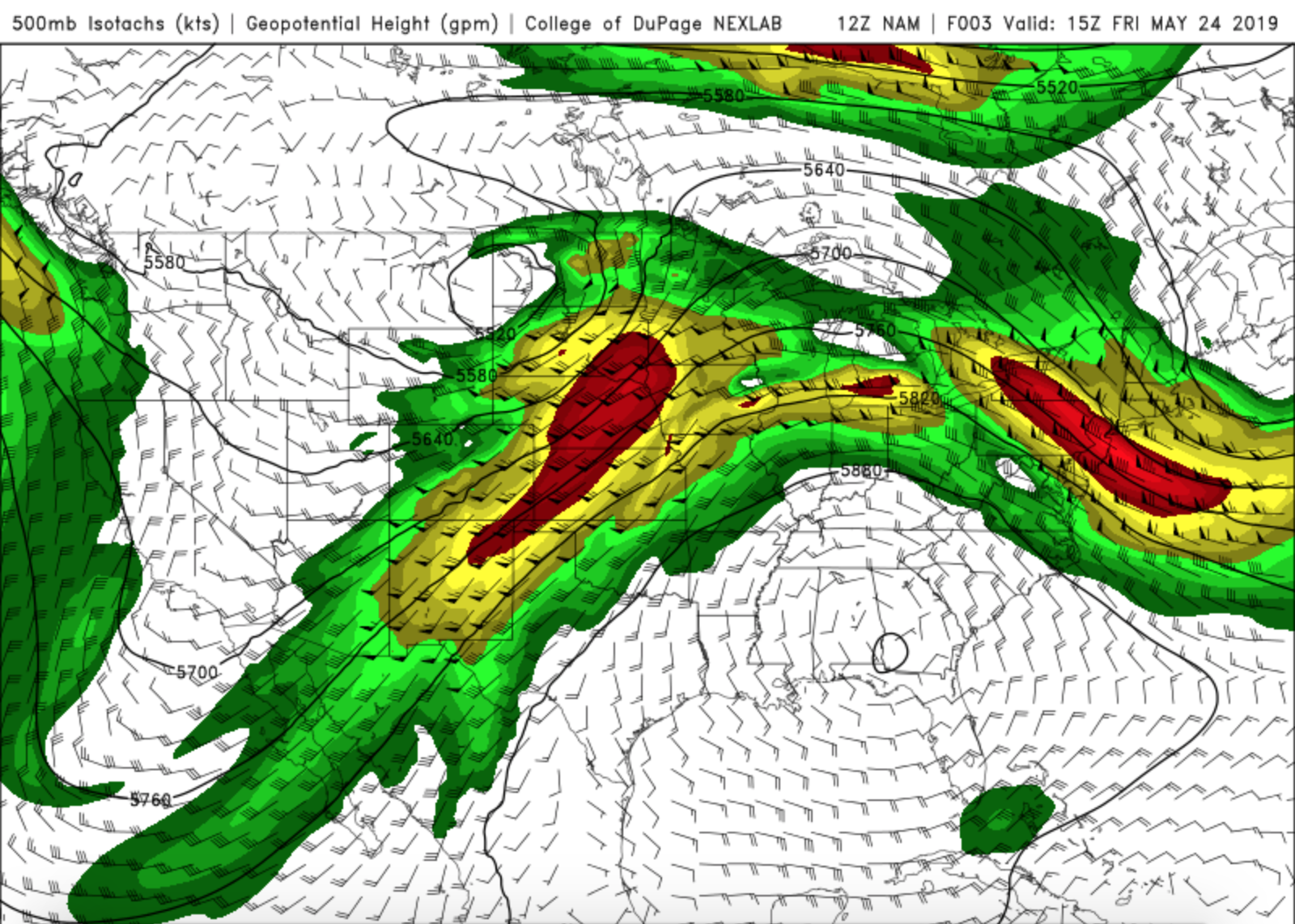
When we went to bed on Thursday night the SPC had a slight risk area extending from Texas to the Great Lakes. During our forecast discussion on Friday morning, our main focus was on the dry line that extended southwest to northeast across the south central part of the panhandle. An upper level low was located over Montana and North Dakota, which was a bit of a change from the atmospheric setup that we had been dealing with earlier in the week. That upper low had continuously gyrated over the western US but has now moved on and is making way for the next wave to come through. The 500mb winds had backed off quite a bit but a large ridge over the Gulf states coupled with the negatively tilted trough over the northern US sandwiched the pressure gradient and caused a jet streak over the central Plains.

500mb Heights and Winds map

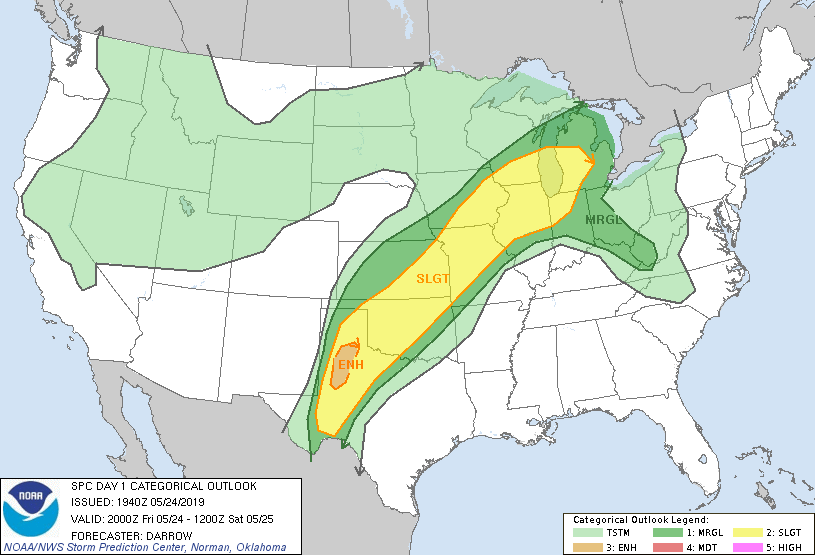
At the end of our forecast discussion, we decided that the best environment would be on the south side of the dry line. We felt that this area was where moisture convergence, CAPE, and low level lapse rates were the most conducive for severe storms. Our goal was to stay along that boundary and follow any storms that fired along it. Later in the afternoon the SPC upgraded an area within the south central part of the Texas panhandle to an enhanced risk.

SPC Day 1 Outlook with an enhanced risk over the south central part of the Texas panhandle.

The Chase

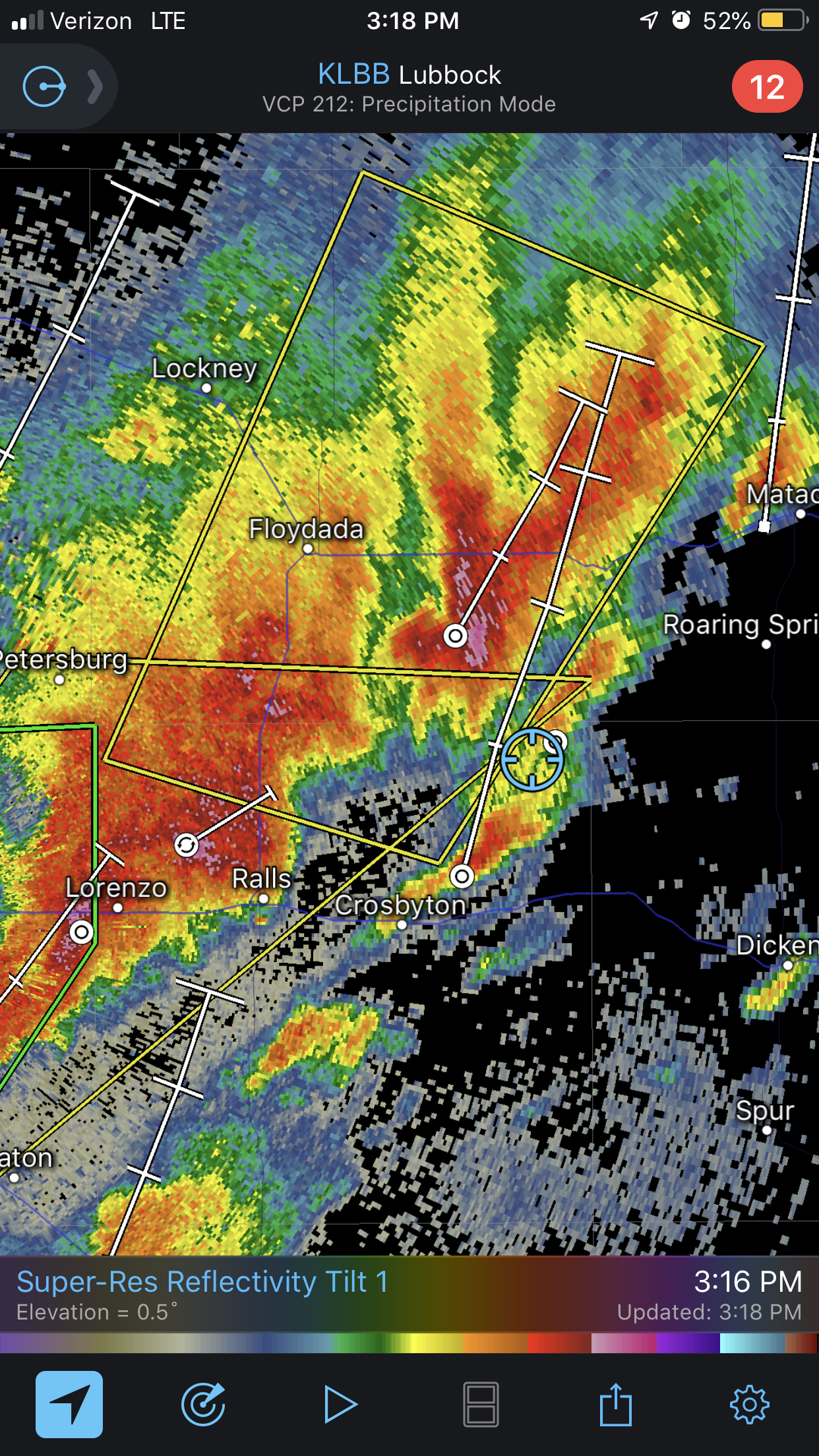
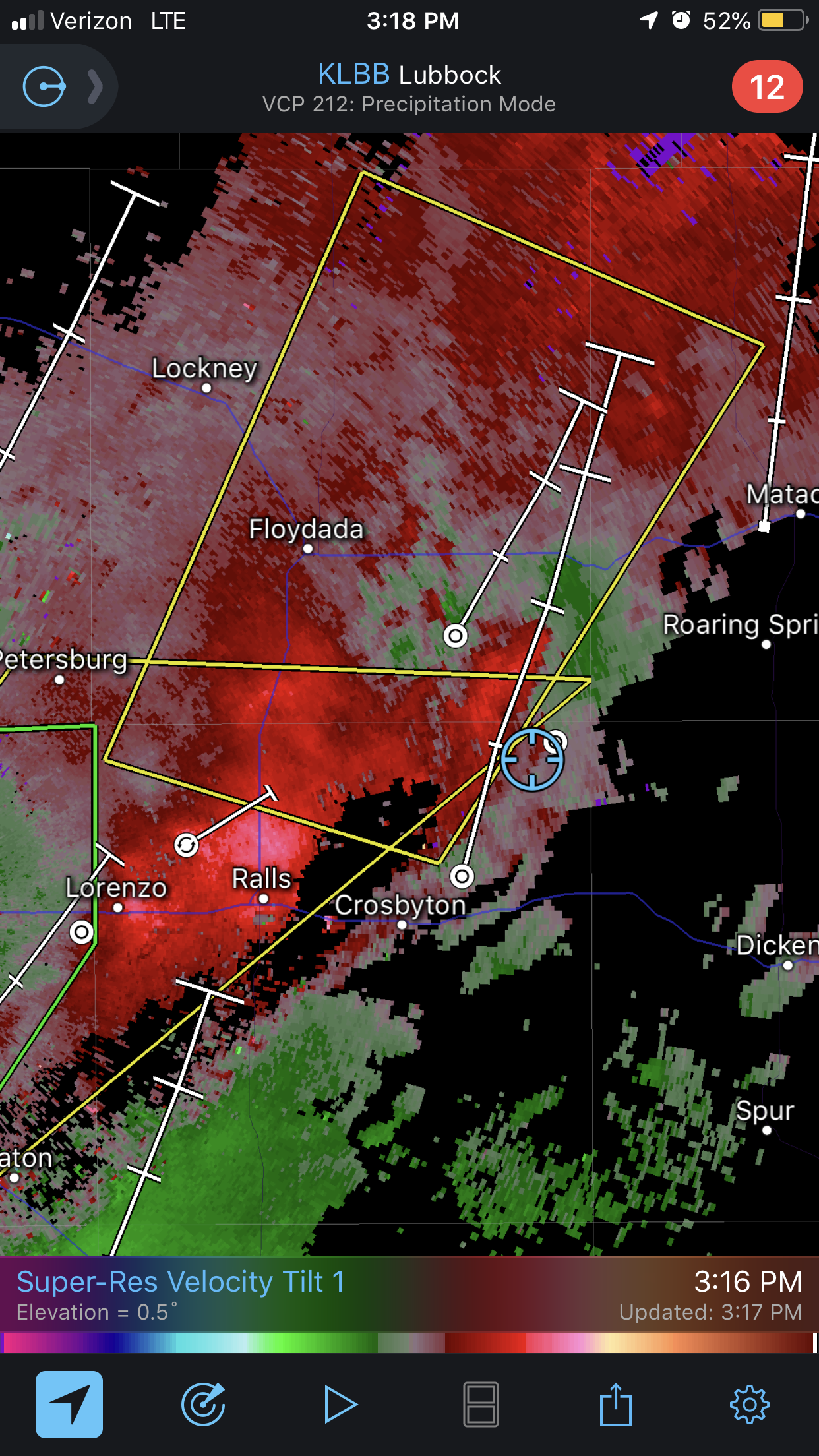
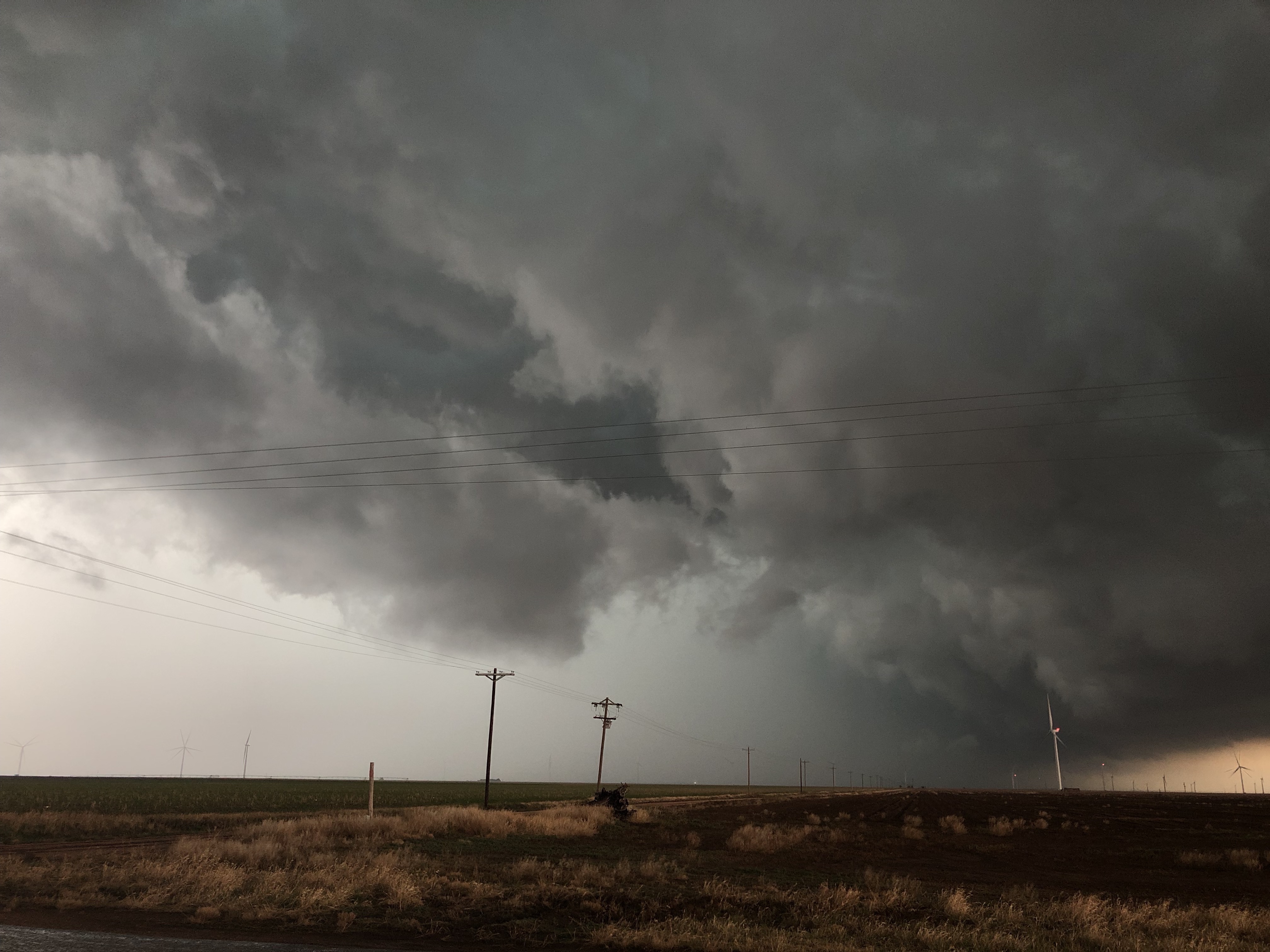
We began our drive from Shamrock, TX and started heading toward Lubbock, TX. Visibility was slightly better as we chased our first storm between Floydada and Crosbyton, TX. This storm had visible rotation and created the most beautiful sight as we drove past a canyon and could see the base of it.

Rotating cell between Floydada and Crosbyton, TX.

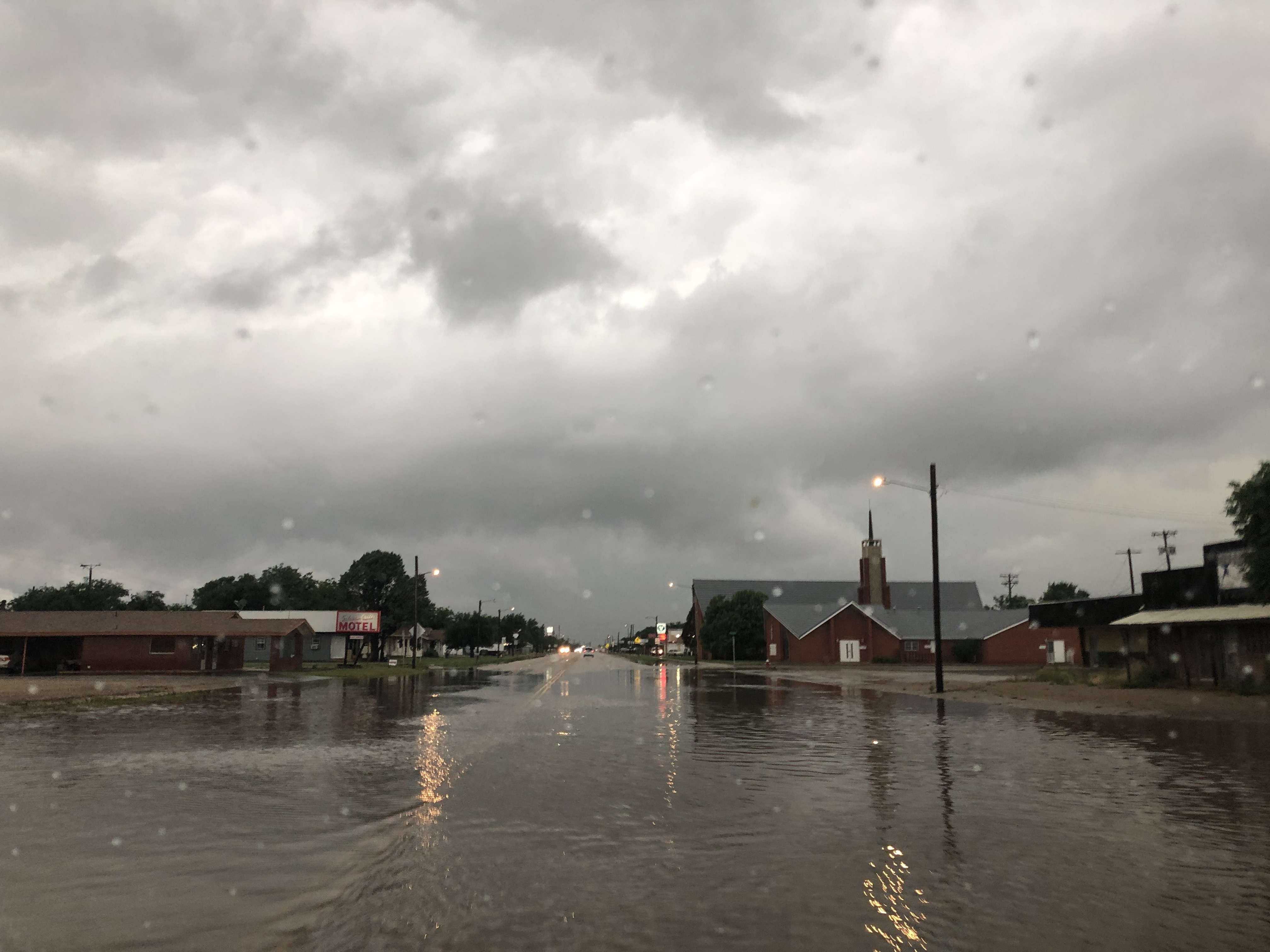
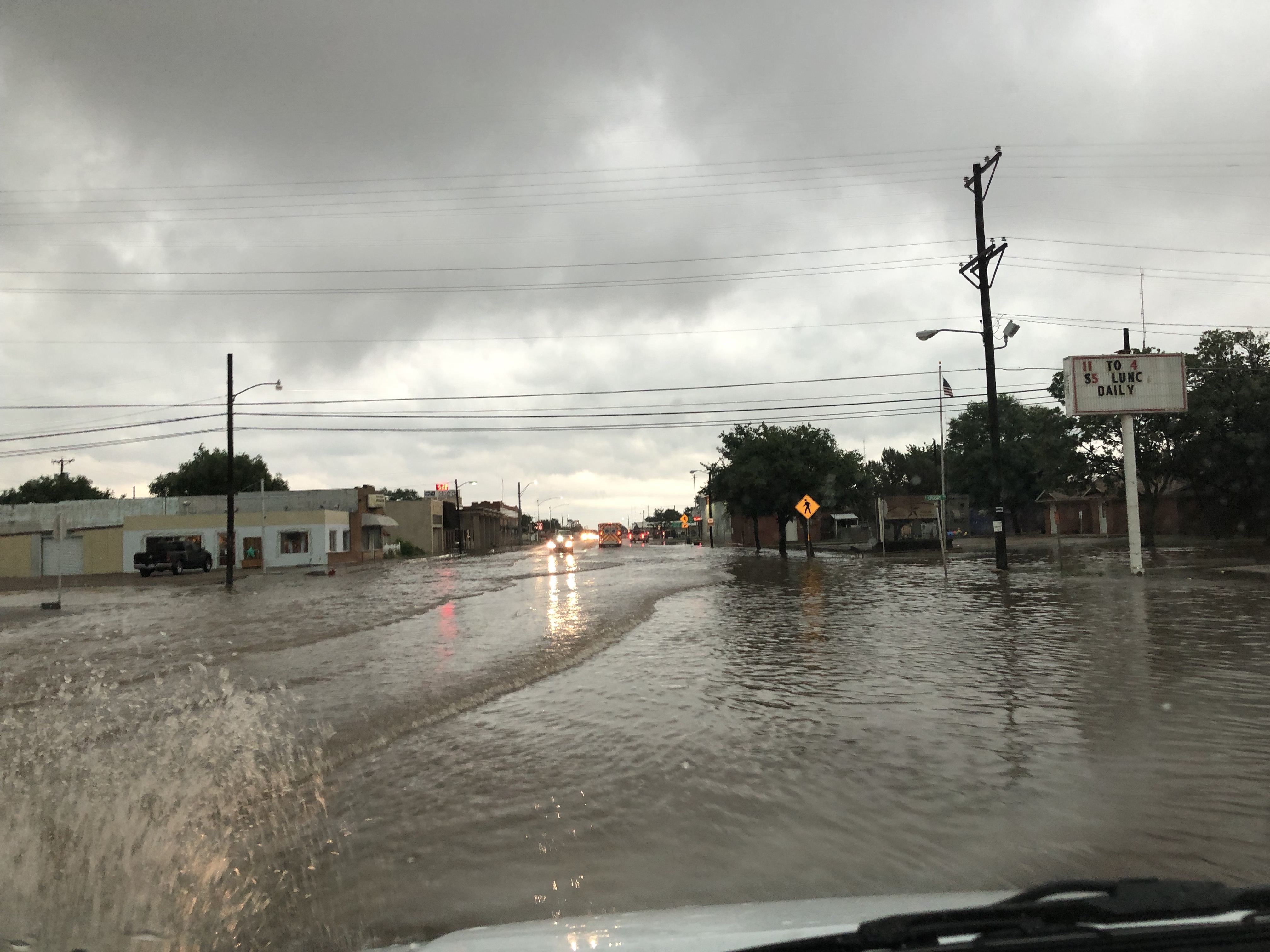
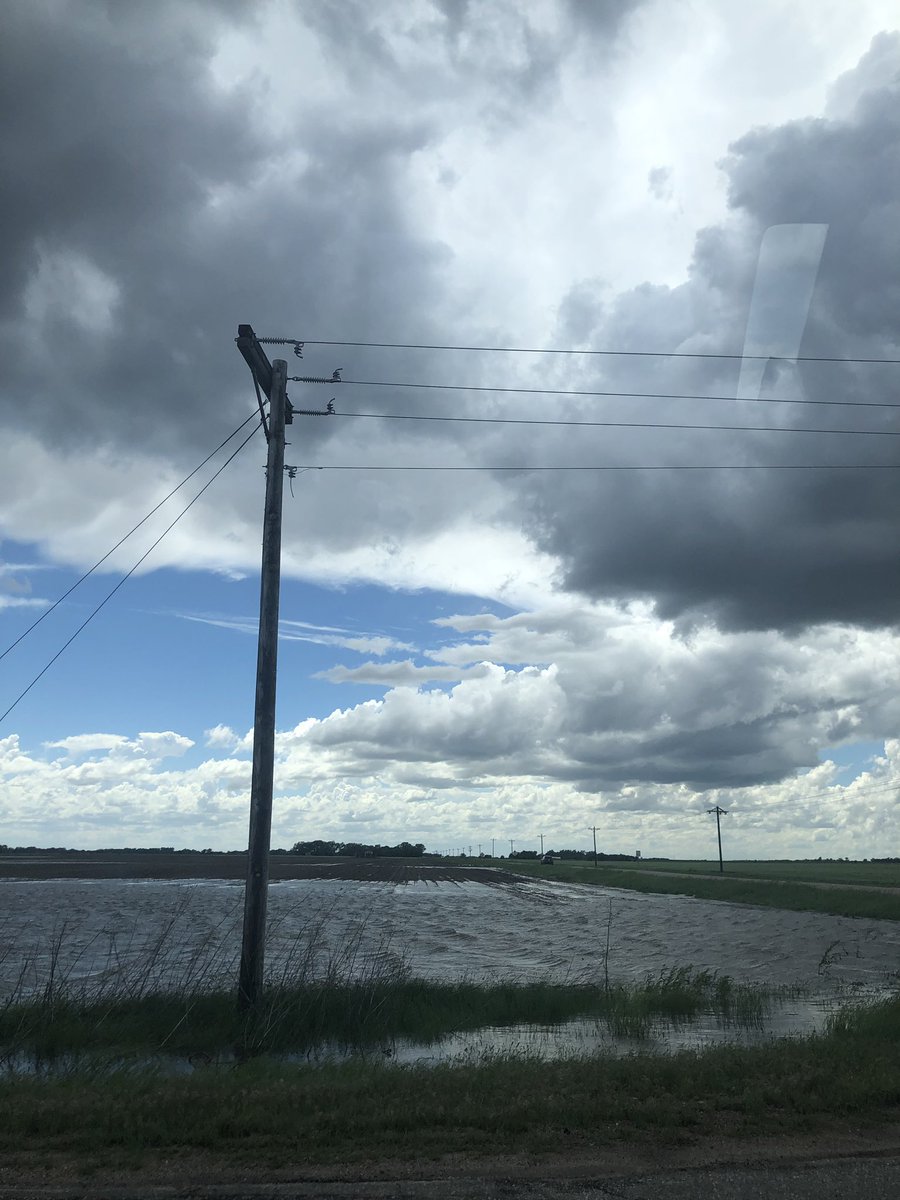
We moved southeast and positioned ourselves to the west of Dickens, TX. We encountered quite a bit of hail from this storm and then moved back into Crosbyton, TX to wait for the next cell to move through. While in Crosbyton, we encountered major flooding. The roads were covered, ditches were turned into moving waterways, and the fields had standing water with ripples going across them. Grass was not visible on much of the land and runoff soil led the water that was coming off the fields and onto the road. We concluded our chase day in Crosbyton and decided to head toward Amarillo for the night in order to be closer to our target for Saturday’s chase.

Conclusion of the Day

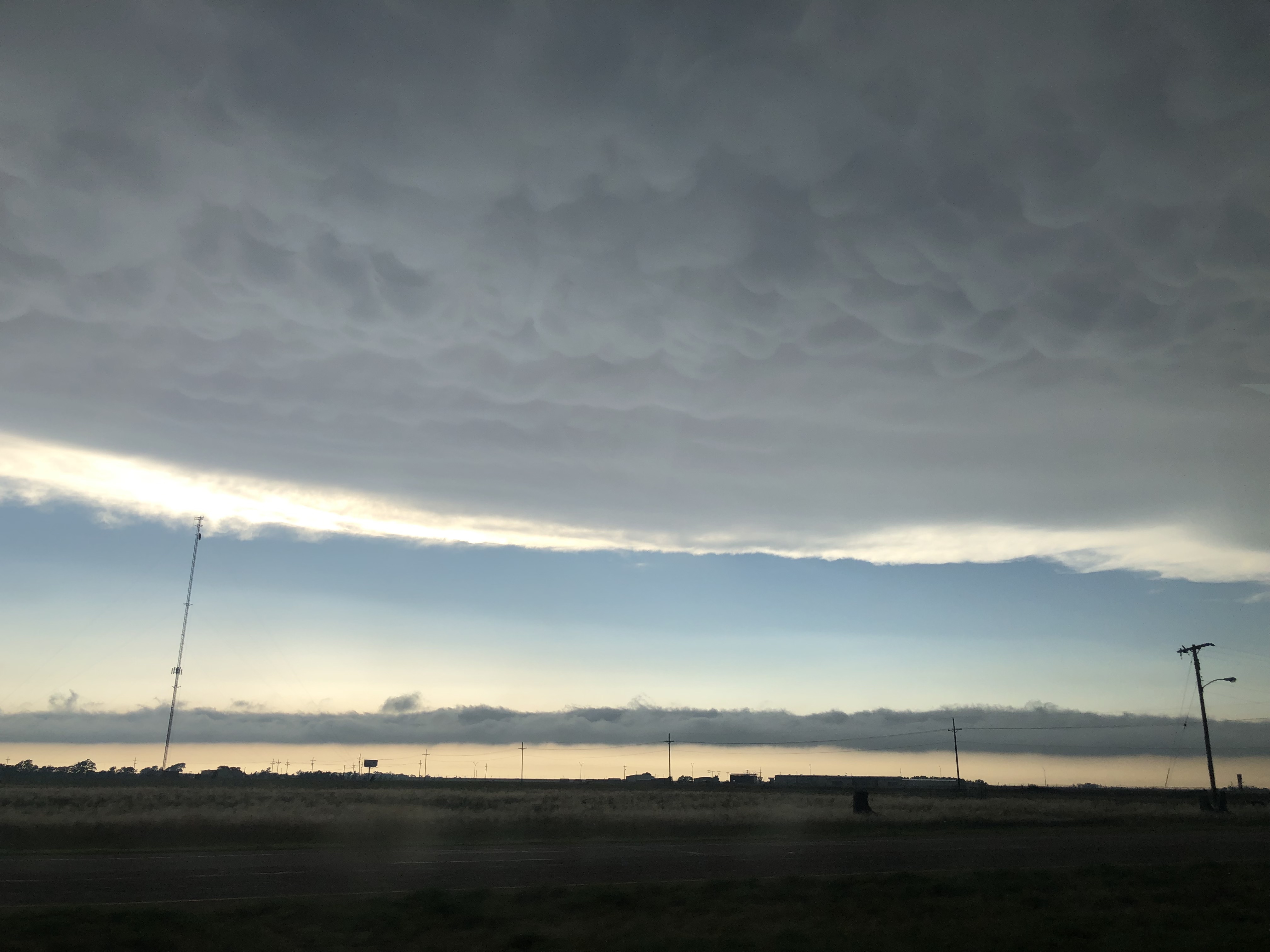
On our drive back to Amarillo at the end of the day, we got to see beautiful mammatus clouds in Plainview, TX.

Mammatus in Plainview, TX.

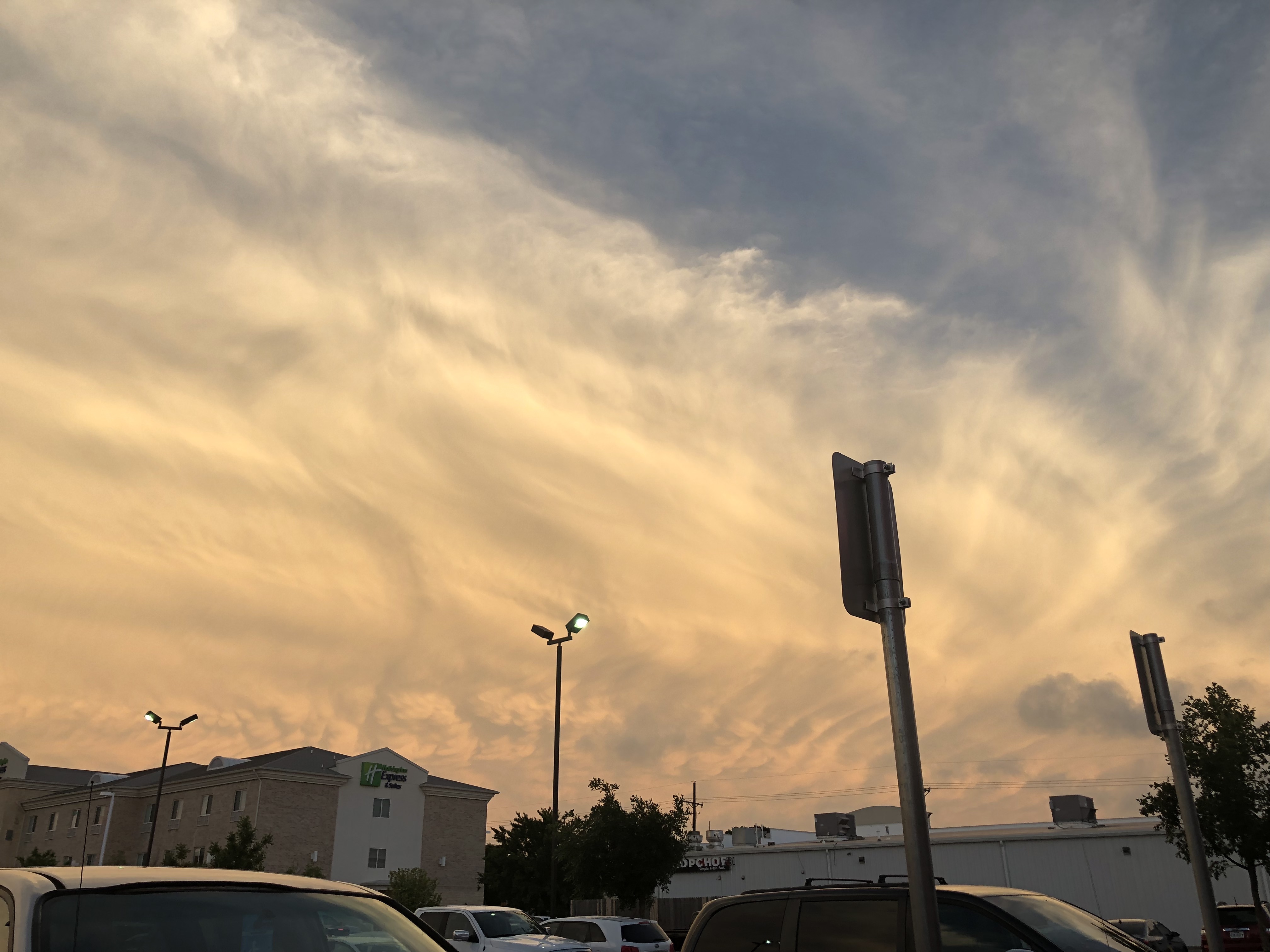
We checked into our hotel in Amarillo and then walked across the parking lot to have dinner at Bubba’s 33. While waiting for our table we got to watch a beautiful sunset. As usual, dinner was filled with good food, good company, and plenty of laughs. Check back tomorrow for another update. Thanks for following along with us!

Sunset outside of Bubba’s 33 in Amarillo, TX.
Posted in Kentucky Weather | Comments Off on WKU Storm Chase Day 6

WKU Storm Chase Day 5

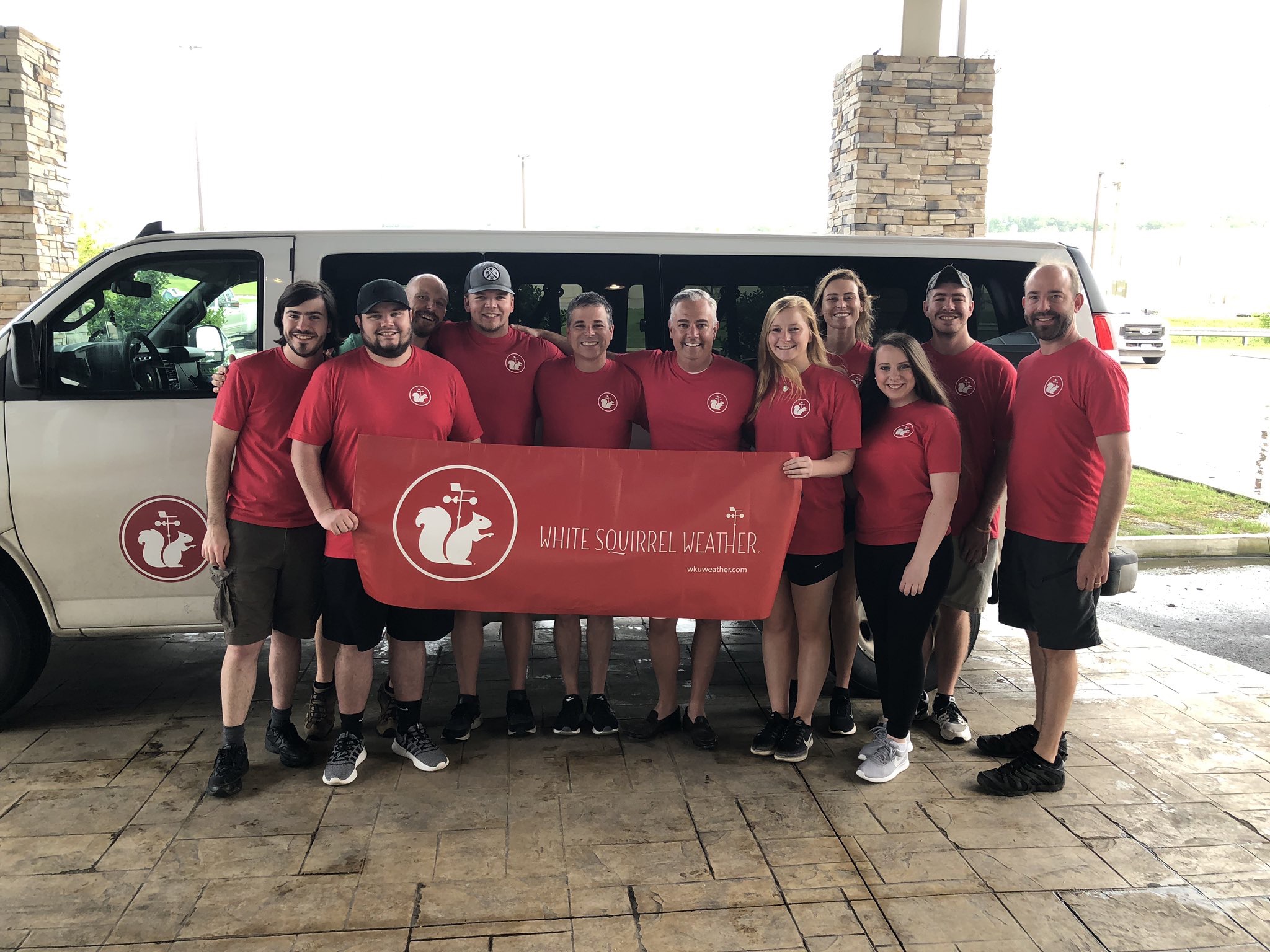
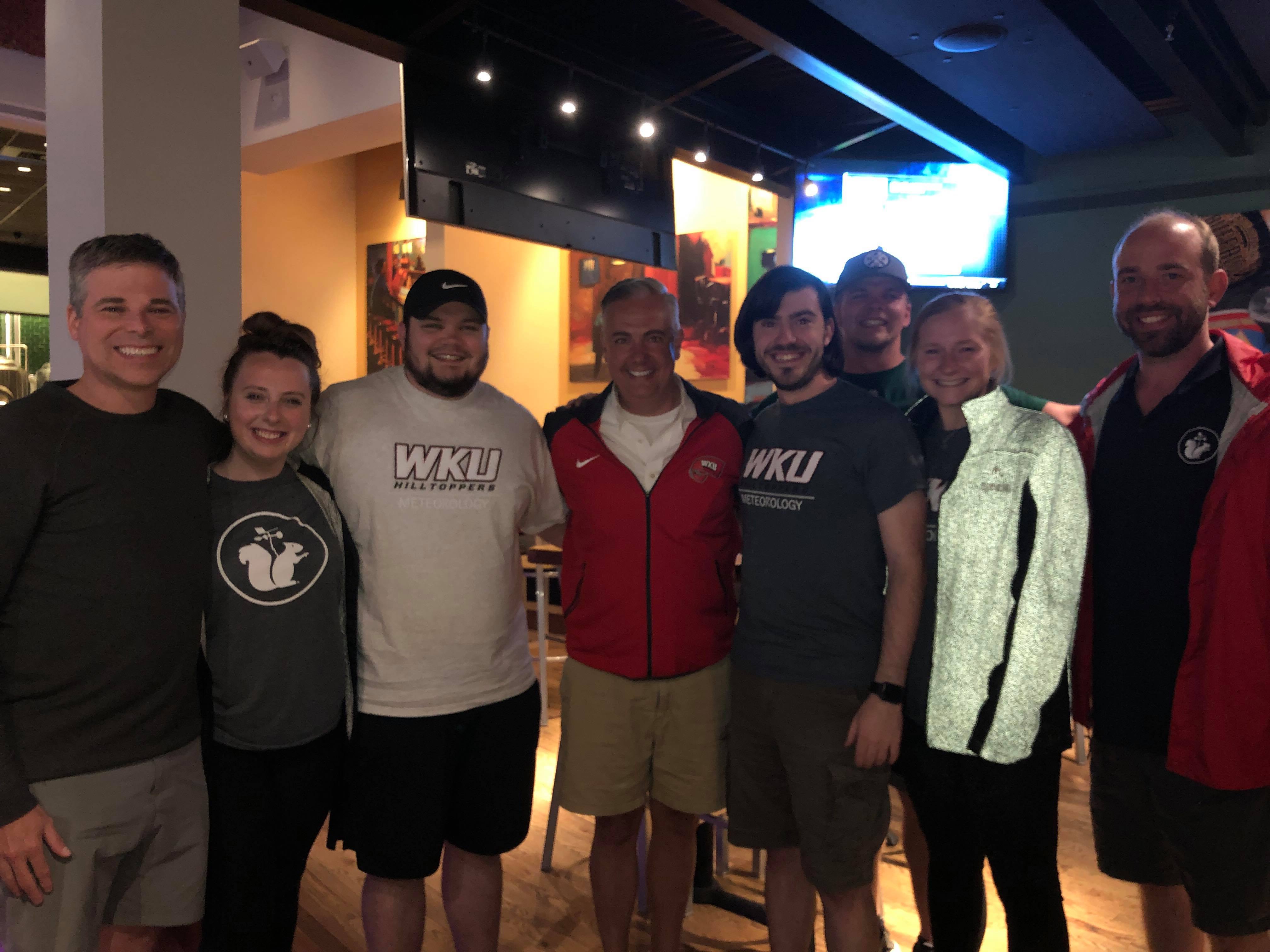
We started our Thursday morning by packing up and leaving Claremore, OK at 8 AM. We also parted ways with David Oliver ( Director of Environmental Health and Safety at WKU) and Dr. Tim Caboni (WKU President). Over the course of 3 days, we traveled just over 1500 miles with the President across Texas, Oklahoma, and Kansas.

President Caboni with the WKU Storm Chasers in Claremore, Oklahoma.

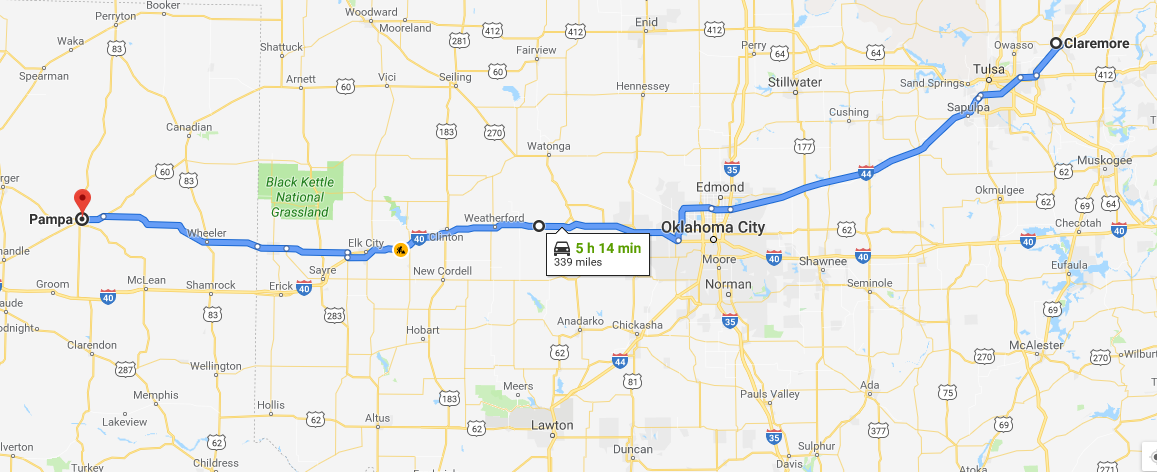
We had a general idea that storms were going to be in the Panhandle of Texas, but this area is much bigger than most people think. After conducting a forecast discussion in the van, it was determined that our target would be Pampa, Texas.

5 hour drive to Pampa, Texas (Northeast of Amarillo)

Atmospheric Setup

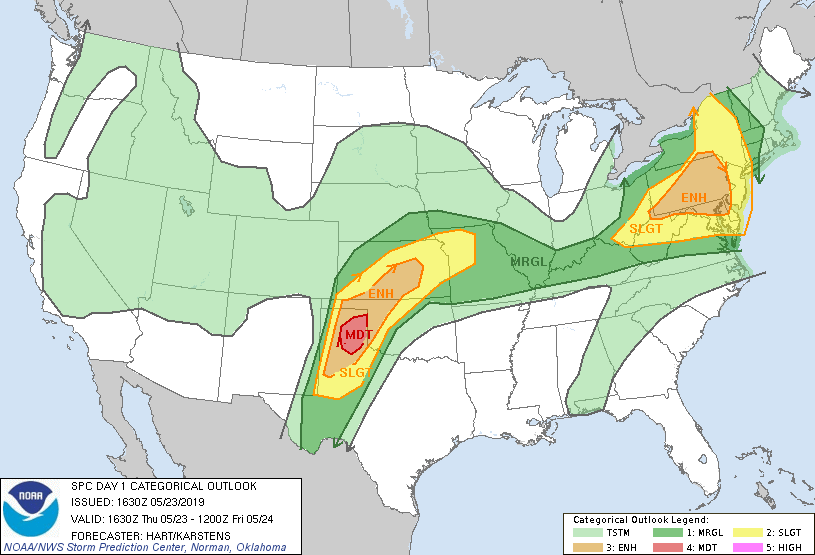
The Panhandle of Texas was expected to be an area of severe weather. The upper level jet streak has backed off a little bit, but still brings upper level divergence/low level convergence to that area. A stationary front was draped west to east across the northern portion of the Texas Panhandle, and the north to south dry line was situated directly over the Texas/New Mexico border. The Panhandle would have plenty of instability, wind shear, and moisture, as the strong low level jet helped pull in deep moisture from the Gulf of Mexico. These ingredients, converging on the boundaries, helped initiate storms west and north of Amarillo. Pampa, TX was our target because we felt that storms would initiate west of Amarillo, and move into a better environment just east where they could develop into supercells. While we were driving to our target, the Storm Prediction Center upgraded the Day 1 Convective Outlook to a Moderate Risk (Level 4 of 5) for the area just east of Amarillo, which was in perfect agreement with our target.

SPC Day 1 Convective Outlook Outlook upgraded to Moderate Risk.

We stopped for lunch in Shamrock, TX, and ate at the Roost, a popular local restaurant. We continued to our target, and then waited for storms to initiate.

Chase

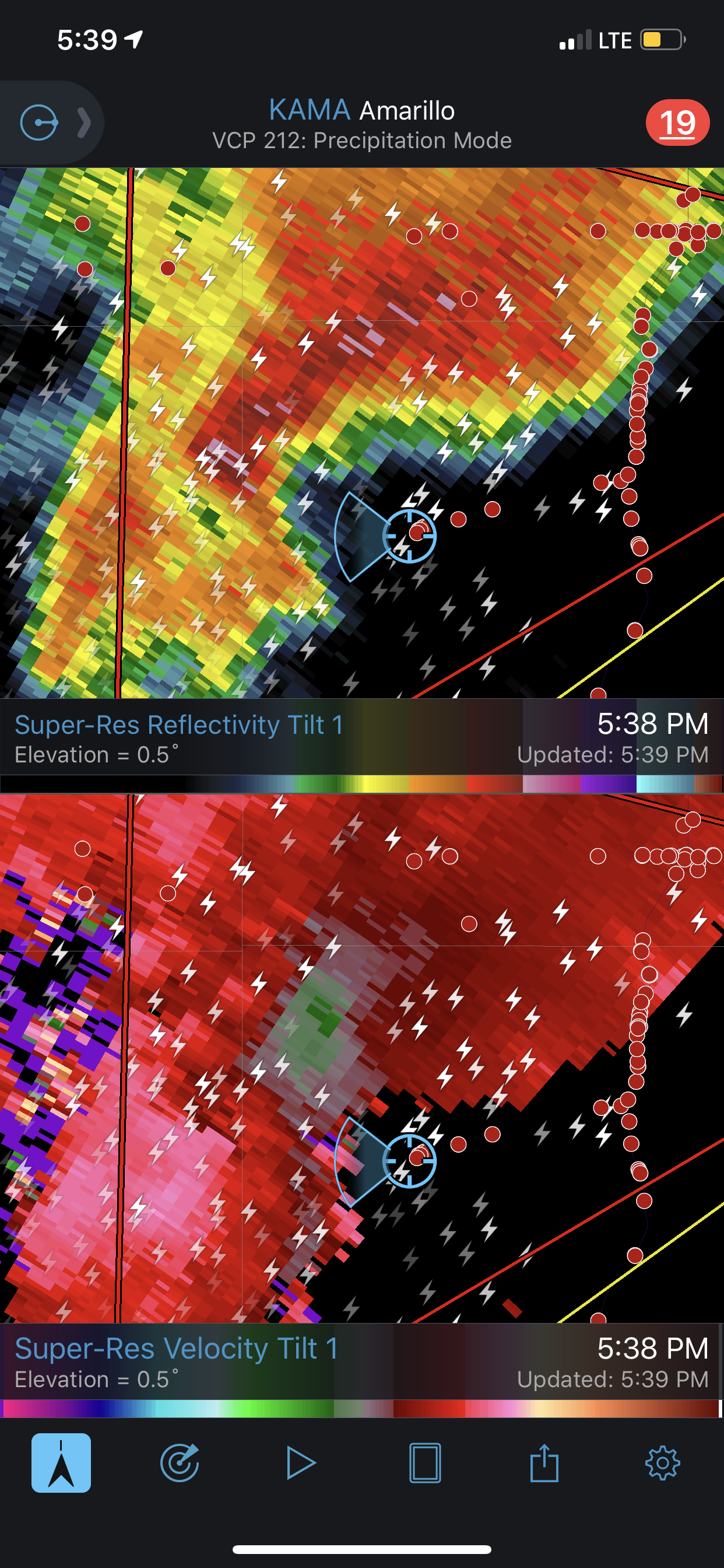
Our first storm of the day was just to the north of Pampa, TX. We chased this unorganized supercell for quite some time. Fortunately, flood roads were not a problem today, and the chaser convergence was a little more spread out over the Panhandle. We continued to chase this storm as it was southeast of Spearman, Texas. We were able to take a sturdy dirt road, and drove within a few miles of the cell.

Radar shows we are close to the area of circulation

This location brought a nice view of the approaching storm, as seen below.

Not much out there.
Neat view of the approaching storm

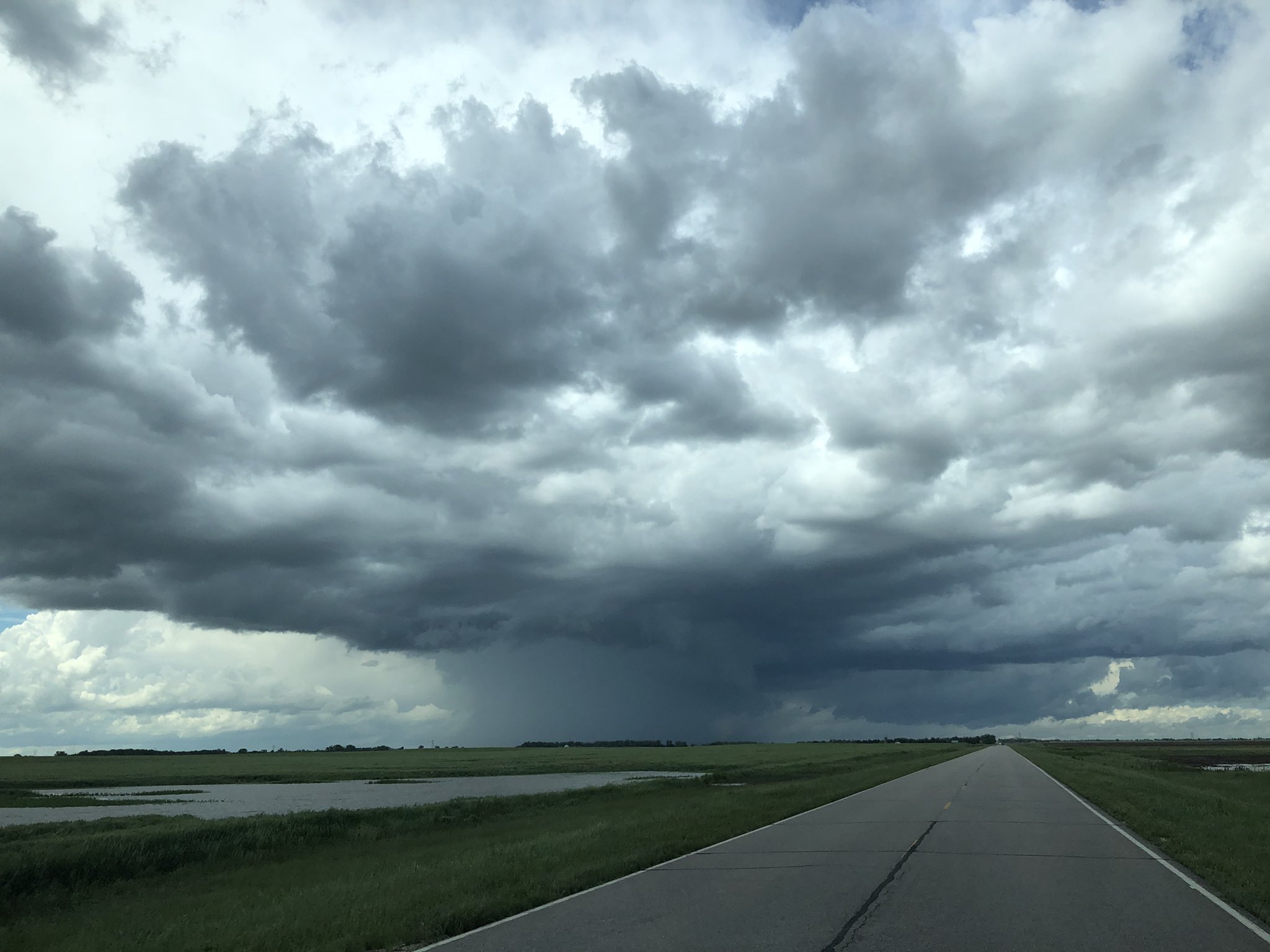
We continued to chase the storm northward all the way up to Perryton, TX. This is just south of the TX/OK border. Again, this cell produced very ominous clouds, and we sat and watched.
Ominous clouds caught in the inflow region of the storm.
Just east of Spearman, TX.

We had trouble with visibilities again. Wall clouds and possible tornadoes were rain wrapped, and when blocked by a curtain of rain, makes it very difficult to see anything. We had several velocity couplets that suggested a possible tornado, but we could not see it. But, overall, it was still a great chase day. The forecast verified that our target would be the location of severe storms. We saw some ominous clouds, ran along side tornado-warned storms, and saw a lot of incredible lightning.

End of the Day

We finished chasing near Canadian, TX, and decided to get a late dinner at the Stumblin’ Goat. We then drove south to Shamrock to spend the night.

Thanks for following along on our storm chase trip. Make sure to follow @wkustormchase on Twitter for current updates.

Posted in Kentucky Weather | Comments Off on WKU Storm Chase Day 5

WKU Storm Chase Day 4

The WKU Storm Chasers started their fourth involved chase day in the city of Manhattan Kansas. The SPC Day 1 Convective Outlook had a moderate risk area stretching from northern Oklahoma up into central Missouri and parts of south east Kansas. We ended up picking northern Oklahoma and southern Kansas as an initial starting point for the day hoping that the boundary driving our storms would stall out in that area.

Atmospheric Setup

The environment today was looking to be very unstable and favorable for strong super cell development. The main point of contention was going to be a boundary that started the morning draped across Oklahoma and south western Missouri. The big question of the day is where would that boundary stall out and produce the best super cells. All of the other important ingredients were in place. There was a strong upper level jet streak moving along the Kansas Oklahoma boarder. The lower level jet brought plenty of moisture from the Gulf with the return flow. The shear and convective available potential energy (CAPE) was also in a favorable position for the day. The boundary caused an adequate amount of moisture convergence along it allowing storms to initiate and become severe, despite the poor low level laps rates that were present in eastern Oklahoma and southern Kansas.

The Chase

We met in the lobby of our hotel that morning to have a forecast discussion led up by students Luke Rodgers and John Bowen. We decided that the best play for the day would be to head south and be on the boarder of Kansas and Oklahoma by lunch time so that we would have a good position for the rest of the day.

Group forecast discussion led by Luke and John

We stopped in Emporia Kansas for a quick to-go lunch from Jimmy John’s, and our target had moved south with the boundary that was going to produce storms. We dropped south towards Tulsa Oklahoma, stopping in Coffeyville to wait for storm initiation.

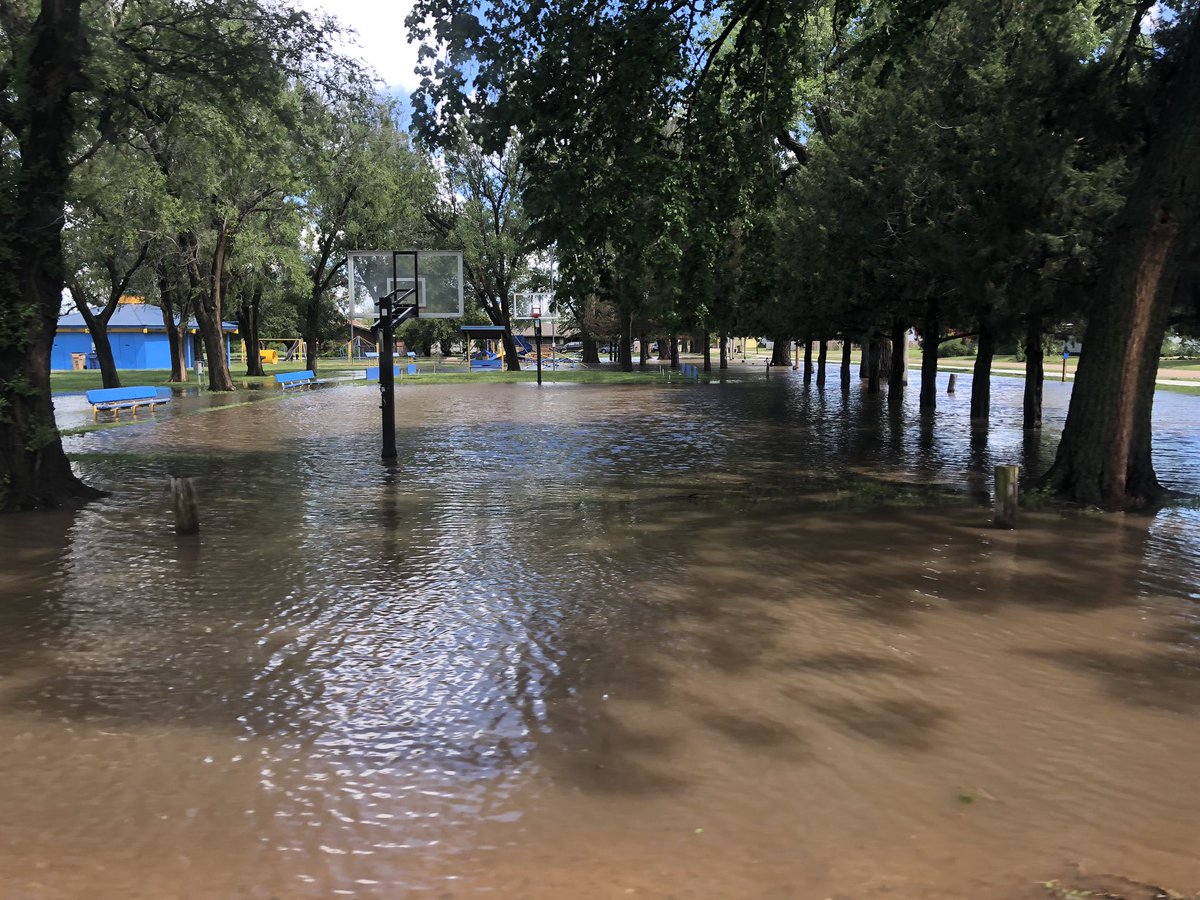
The park in coffeyville we stopped at while waiting for convective initiation

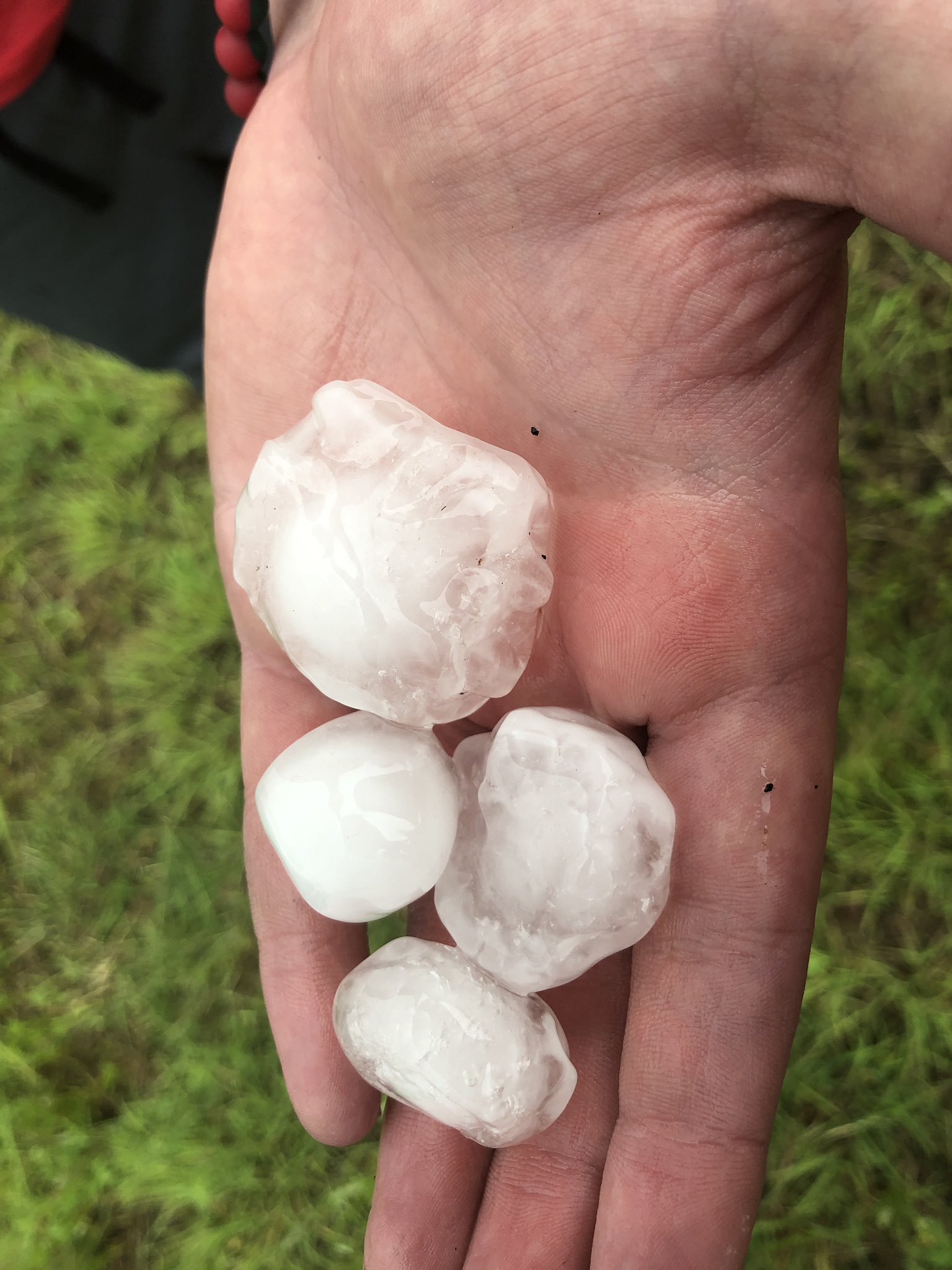
From there we quickly raced south towards Ramona Oklahoma where we saw our first storms of the day. We got caught by a strong hail core and the van was pelted with hail 2.5 inches in diameter. That is about the size of a tennis ball. Once we left that storm we headed further south east to catch a line of developing super cells in northern Oklahoma.

Tornado warned super cell moving into north eastern Oklahoma

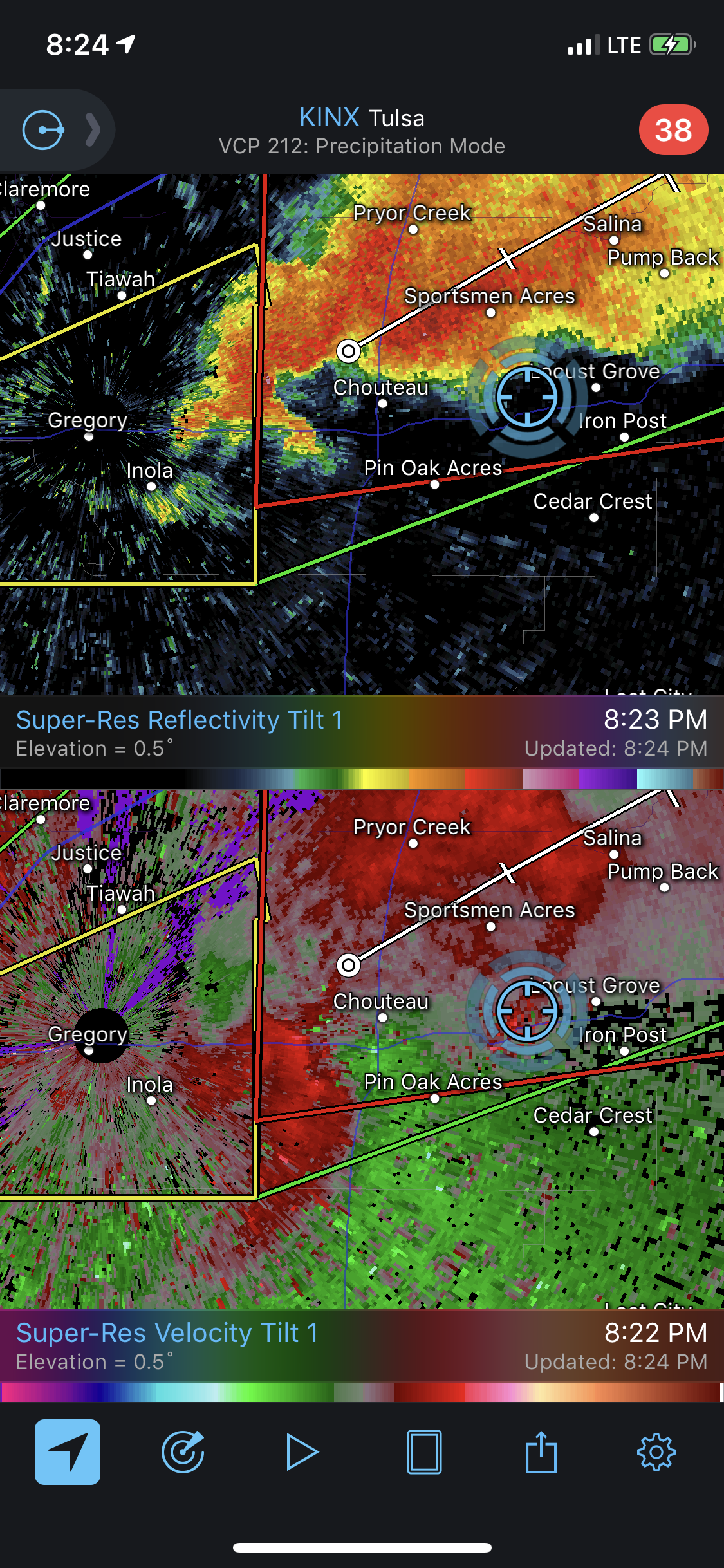
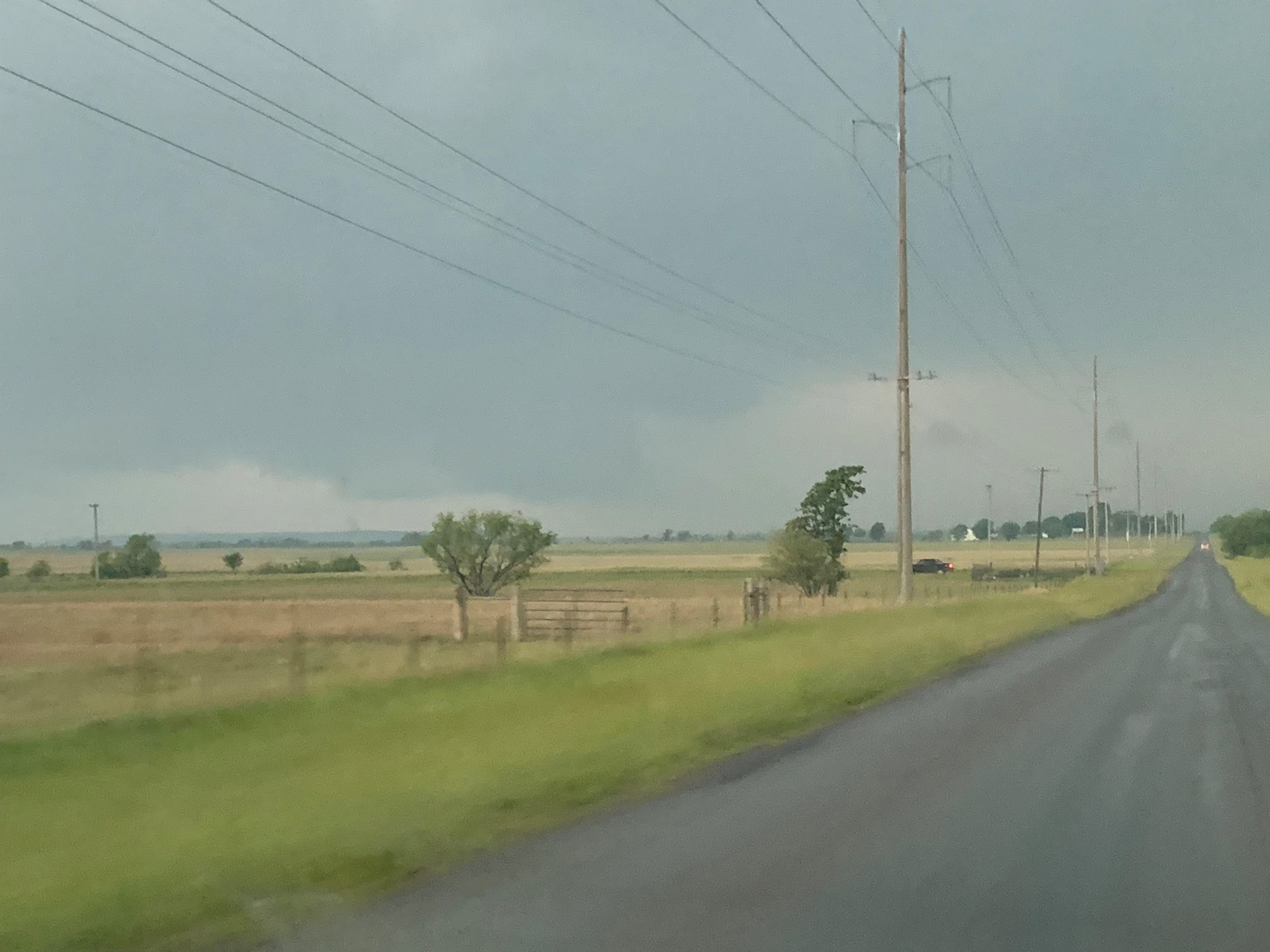
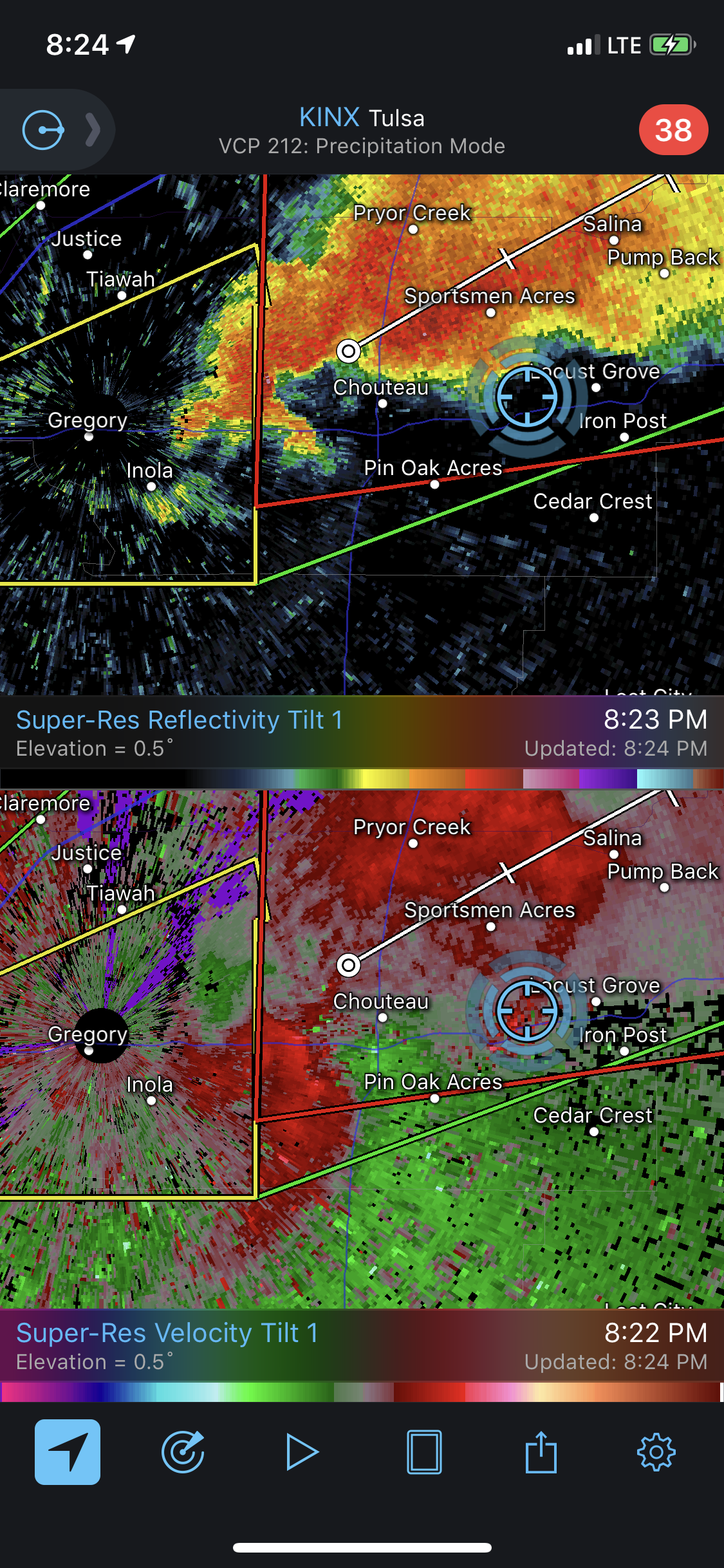
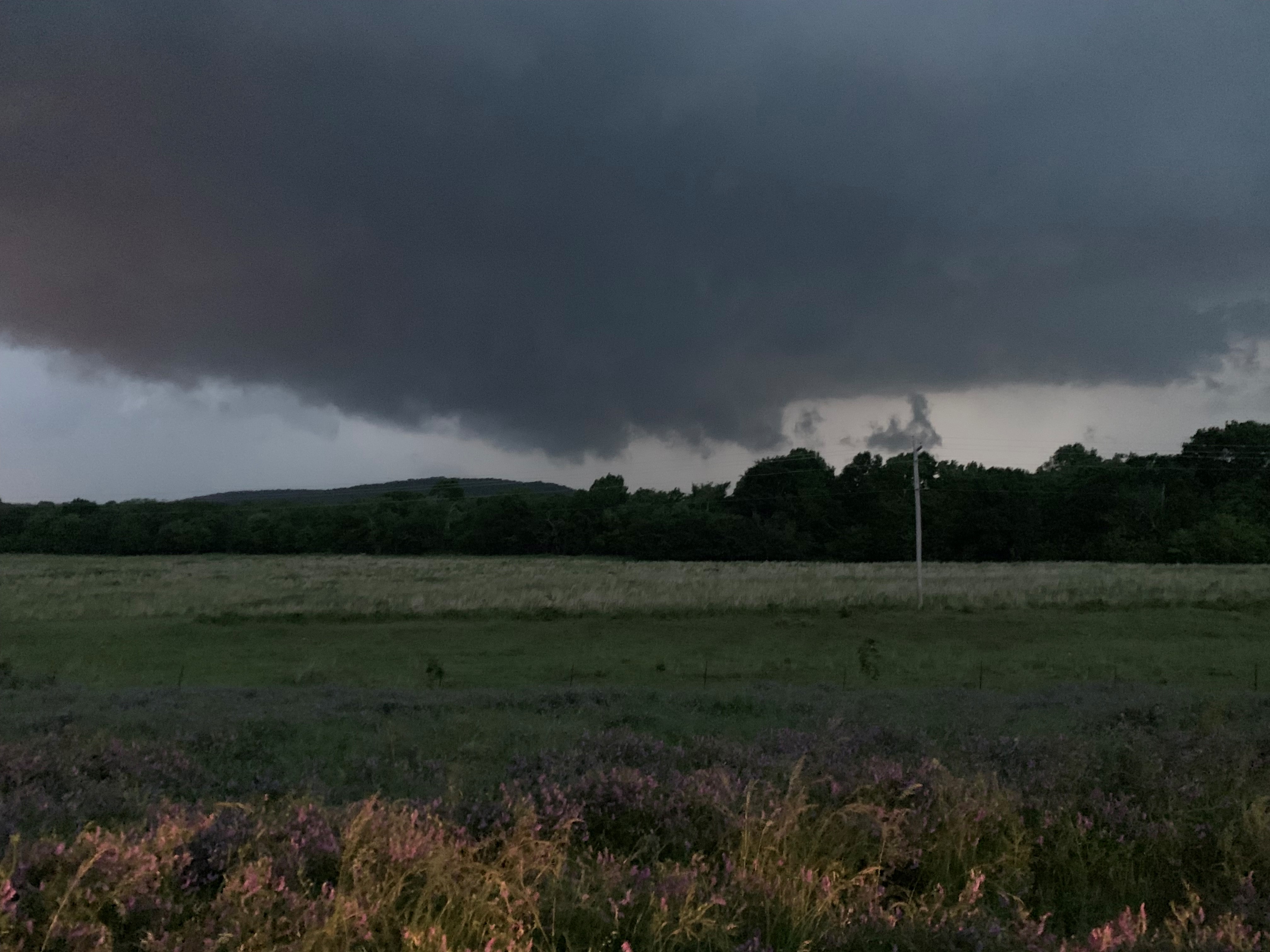
That storm was moving too quickly for us to keep up with it, and the decision was made to drop south in favor of a developing supercell north of Tulsa Oklahoma that was showing signs of rotation. We got pretty close to that storm, and we think there was a rain wrapped tornado hidden from view. We followed that storm all the way through to Chouteau Oklahoma where we watched it produce a low hanging wall cloud and an impressive funnel, but we never saw it produce a tornado.

Conclusion of day 4

As our sunlight faded we watched the remainder of the Chouteau storm pass us by. We stood outside of our van talking with Dr. Caboni about the events of that day before heading north towards Claremore Oklahoma. We rolled into town and ate dinner at the Rib Crib before retiring to our hotel for the night.

Watching the storm roll by with Dr. Caboni!
Posted in Kentucky Weather | Tagged , , | Comments Off on WKU Storm Chase Day 4

WKU Storm Chase Day 3

Day 3 was another intense chasing day for the WKU storm chasers. The SPC Day 1 Convective Outlook highlighted much of Missouri and the northern half of Arkansas with an enhanced risk while much of Kansas remained under a slight risk. We chose to chase the storms in Kansas due to a good environment, less chasers, and to be in a better position for our upcoming chase days!

Atmospheric Setup

Thankfully, the atmosphere was not producing an environment as conducive for violent storms like it was on chase day 2. An extremely negatively tilted trough centered over the Central Plains positioned a jet streak over southeast Kansas and the northern part of Oklahoma. At the surface, the low pressure center stretched a warm front across northern Kansas and a trailing cold front down through central Kansas. The shear and convective available potential energy (CAPE) values along with a nosing area of moisture convergence along the warm front produced a conducive environment for severe weather across central and northern Kansas.

The Chase

We started our morning in Altus, OK with a forecast discussion with WKU President Dr. Caboni! Our forecast concluded with the decision to head straight north and be in south central Kansas by the time the cold front arrived.
Forecast discussion with Dr. Caboni!
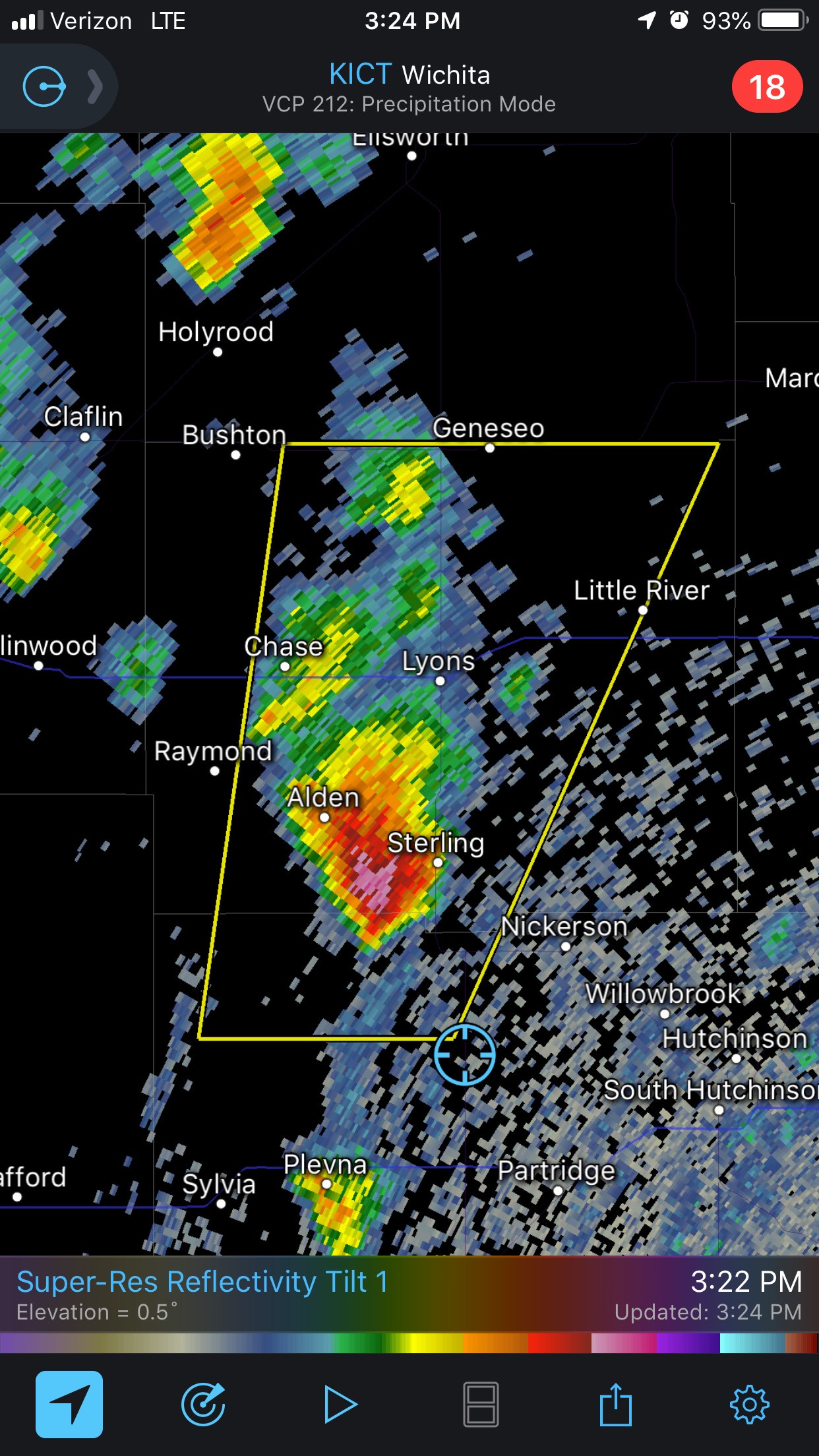
We met Dr. Caboni for lunch at Taco Delight in Pratt, KS. Lunch was quickly over as towers started to go up on radar and the SPC issued a Mesoscale Discussion for that area. We headed northeast and chased our first storm into Sterling, KS where we eventually ran into issues with flooded roads that were impassable.

This RadarScope Reflectivity screenshot shows the team’s position (blue circle) at the bottom right corner of the severe thunderstorm warning.
Sterling, KS storm shot taken from inside the van!

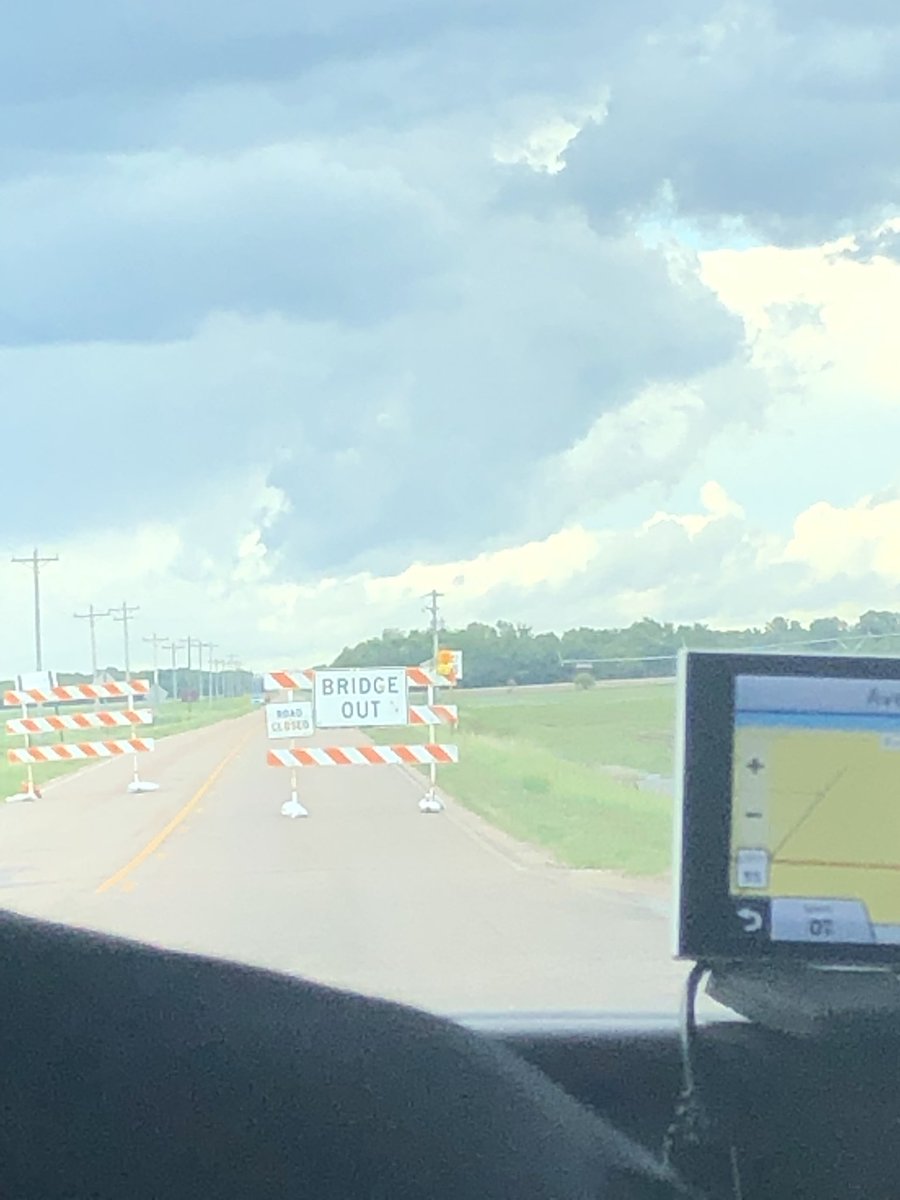
So many roads were flooded that we had to turn around multiple times and find new routes. Bridges were closed, dirt roads were muddy, and the strong wind created waves across standing water in the fields.

We continued northeast and started tracking another cell that was headed into Salina, KS. We saw pea sized hail and interesting cloud formations as we concluded our chase in Randolph, KS.

Conclusion of the Day 3 Chase

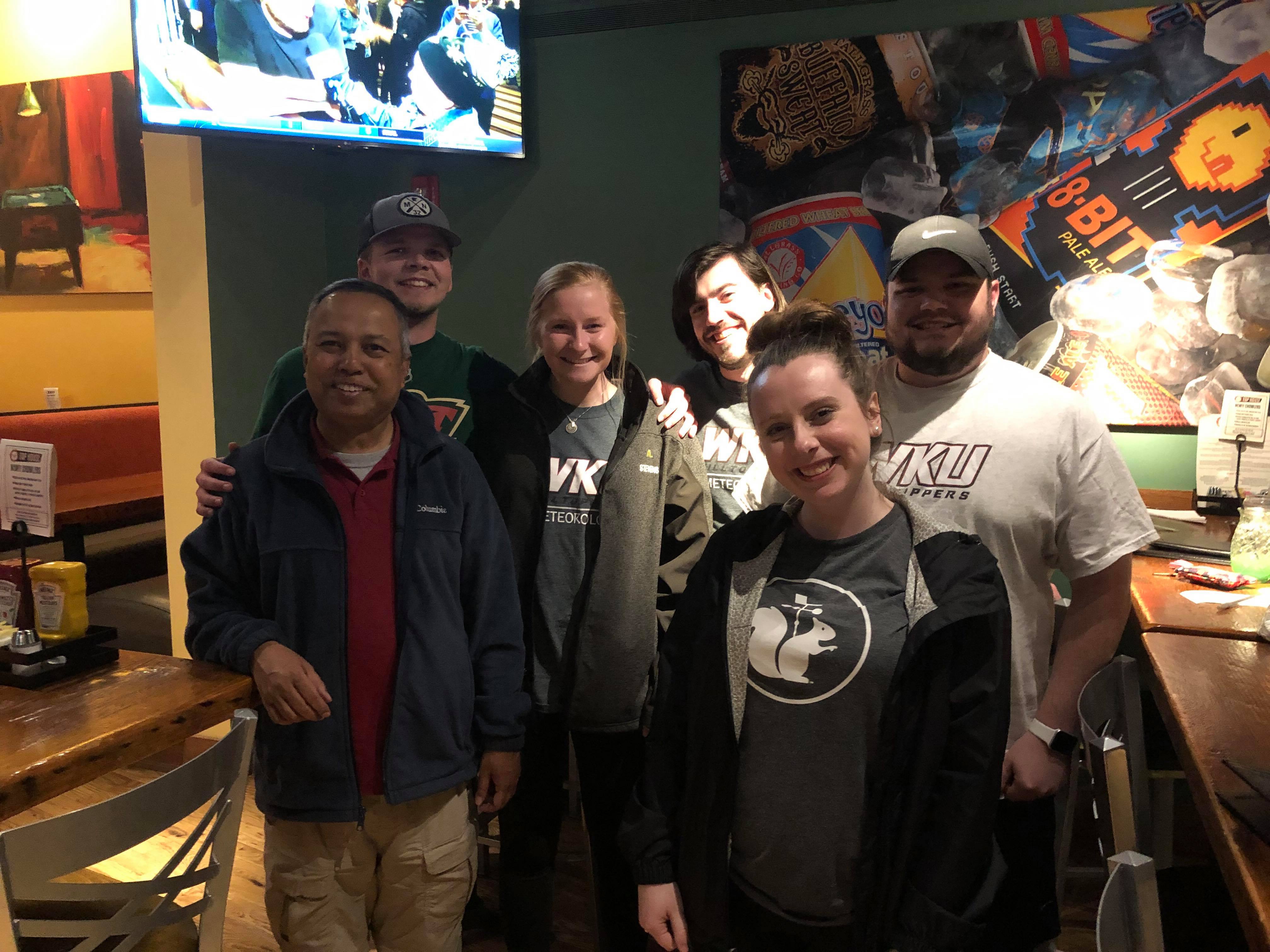
After we finished chasing the last cell of the day in Randolph, KS we headed back south and stayed in Manhattan, KS for the night. We dropped our things off at the hotel and then walked downtown to have dinner at the Tallgrass Tap House. Former WKU meteorology professor Dr. Mahmood was in town and met up with us for dinner! We had a great chase day and can’t wait for the next!

Keep following our journey across the Great Plains! Live updates throughout the day are posted on our twitter (@wkustormchase). Thanks for checking in!

Posted in Kentucky Weather | Tagged , , | Comments Off on WKU Storm Chase Day 3

WKU Stormchase Day 2

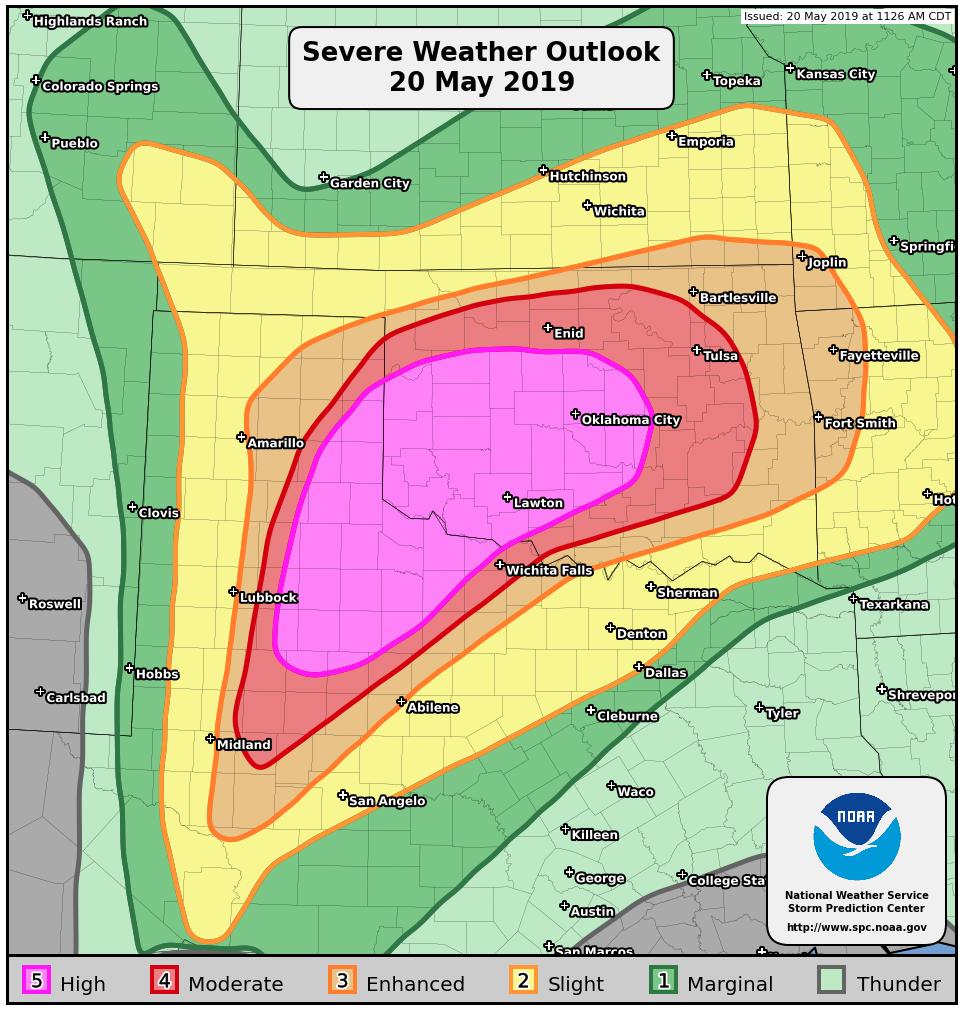
Yesterday was a crazy day for the WKU Storm Chase Team! The threat for an intense severe weather outbreak was predicted well in advance, with an emphasis on the potential for large hail, damaging winds, and strong tornadoes. The Storm Prediction Center used this language to describe today: “tornado outbreak”, “long track violent tornadoes”, & “significant threat to life and property”.

Severe Weather Outlook for 05/20/19 (SPC)

SYNOPSIS & SETUP

The setup consisted of a large negatively-tilted trough that ejected out of the southwest and into the Southern Plains. An area of low pressure at the surface moved into southern KS with an accompanying warm front that extended eastward and a cold front and dry line that extended off to the southwest through KS and across western TX. To the south of the warm front and to the east of the cold front and dry line in the warm sector, very high values of CAPE (Convective Available Potential Energy) and wind shear dominated the area. The combination of these two variables made the environment within the warm sector conducive for the development of supercell thunderstorms.

BUSY DAY FOR WKU STORM CHASERS

The team woke up bright and early in Amarillo, TX and hit the road at 7:30 AM. The chase target that the team aimed for was located in the north-central Rolling Plains of Texas, along and to the south of the Red River Valley.

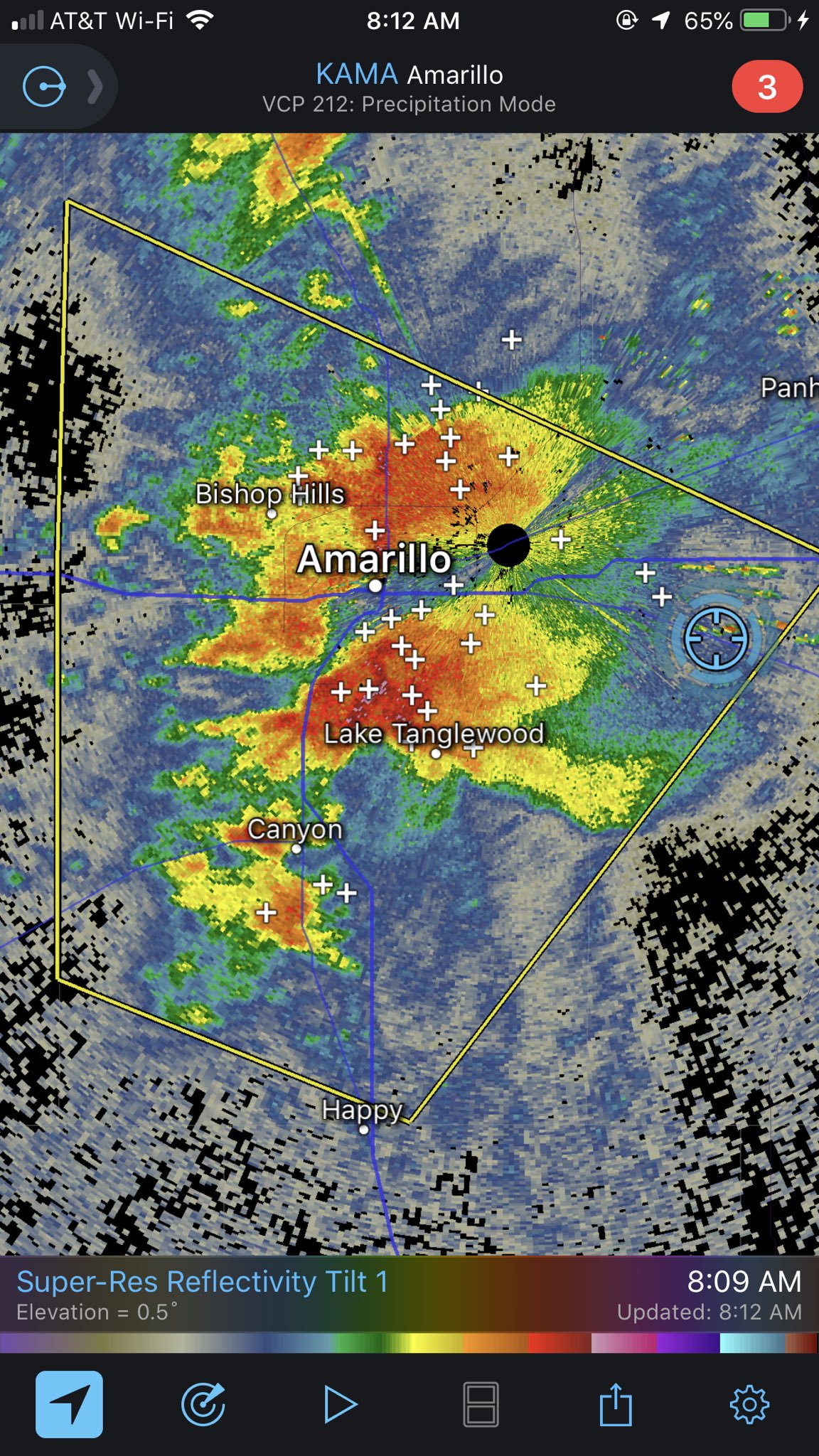
The team hit the road and headed west out of Amarillo on I-40, tracking a severe storm the developed off to the south of Amarillo during the morning hours.

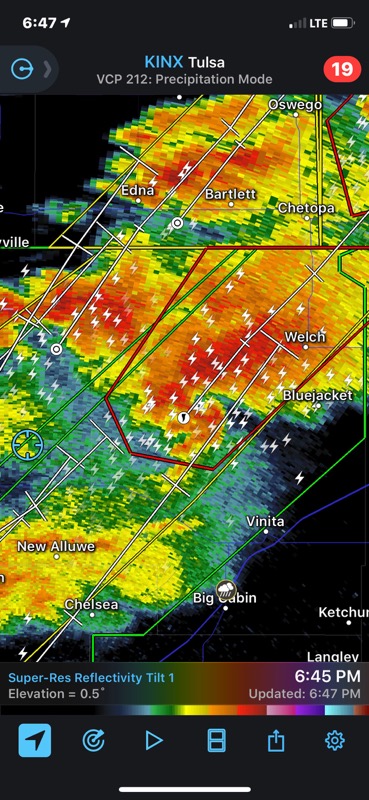
Radar Image from RadarScope, the blue circle indicates where the team was located at that specific time. (WKU Storm Chasers)

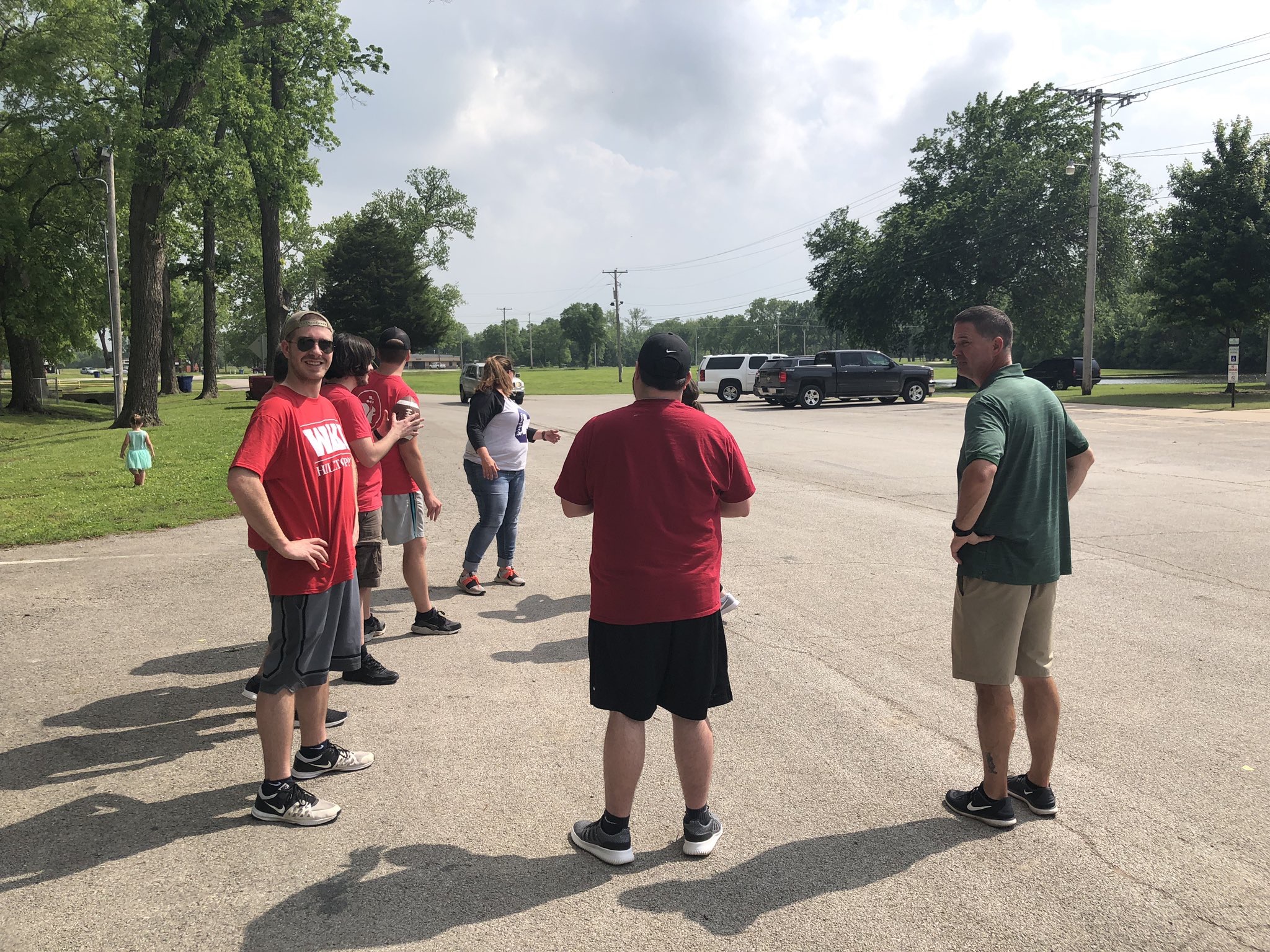
After the storms moved northward, the team headed back to Amarillo for a coffee pitstop at Palace Coffee where we discussed the forecast for the day. On the road again, the team headed southeast towards Matador, TX where we had a little fun playing some catch with a football. While in Matador, TX, rapid development and intensification of thunderstorms began to initiate. The team quickly piled into the van and headed east towards Paducah, TX to intercept a tornado warned thunderstorm and meet up with WKU President Dr. Tim Caboni.

This photo of a skinny rope tornado was taken by Dr. Tim Caboni just outside of Paducah, TX.

The team continued northeastward to track and follow the same storm the produced the rope-like tornado. Along the way, we stopped on the side of the road to analyze/admire the severe thunderstorm and collected some of the hail that was produced.

WKU Storm Chasers and Dr. Tim Caboni analyzing the severe thunderstorm that dumped large hail just to the north of Paducah, TX. (WKU Storm Chasers)

The team continued onward, crossing the border into Oklahoma tracking another severe thunderstorm and then crossing the Red River back into Texas where severe thunderstorms produced a fantastic lightning show at sunset.

What a day the WKU Storm Chasers had!! We saw our first tornado while meeting up with Dr. Tim Caboni and a bunch of jaw-dropping severe thunderstorms that produced strong winds and large hail. We safely arrived in Altus, OK where we enjoyed dinner at Applebee’s!

Photo from WKU Storm Chasers

Please continue following our adventures across the Great Plains on Twitter @wkustormchase.

Posted in Kentucky Weather | Tagged , , | 1 Comment

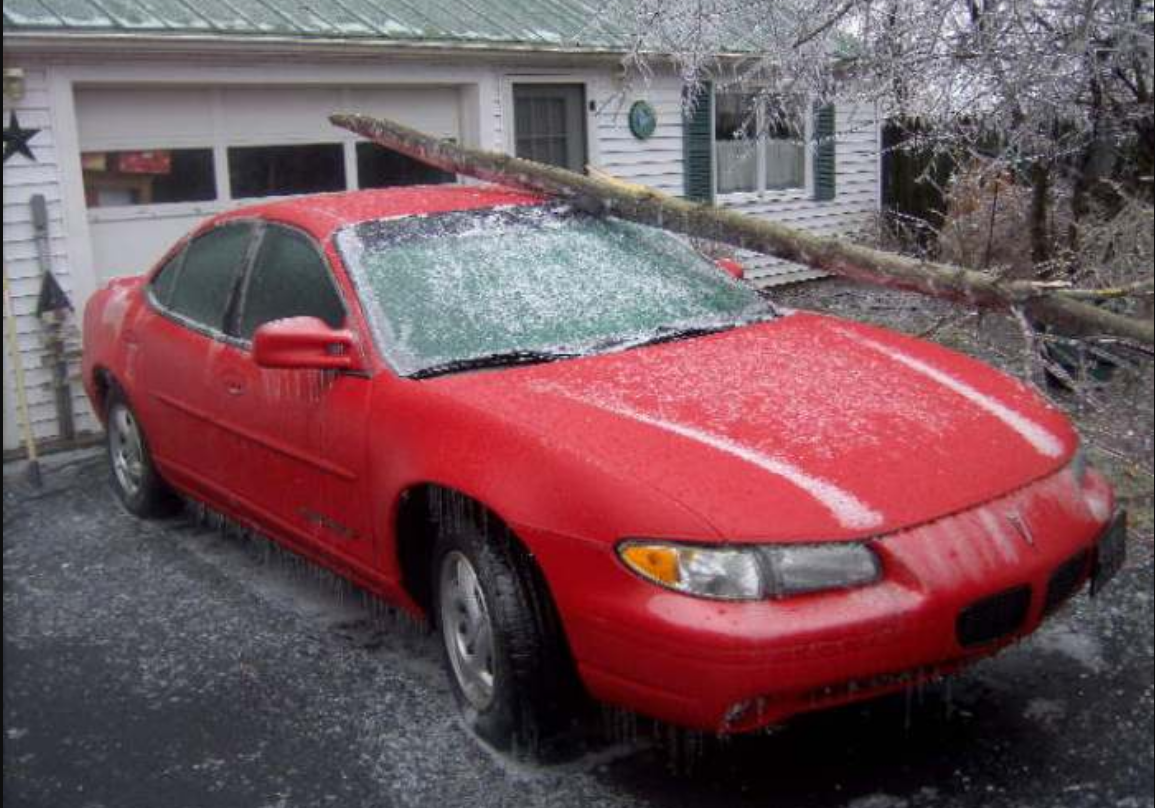
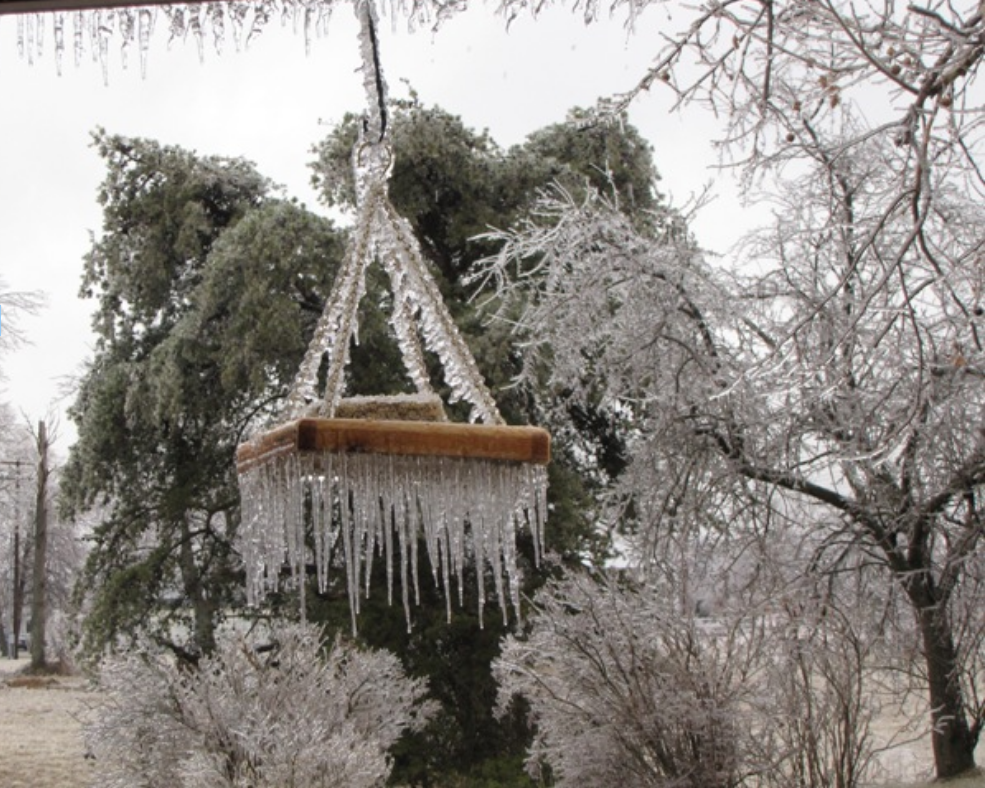
10th Anniversary of 2009 Ice Storm

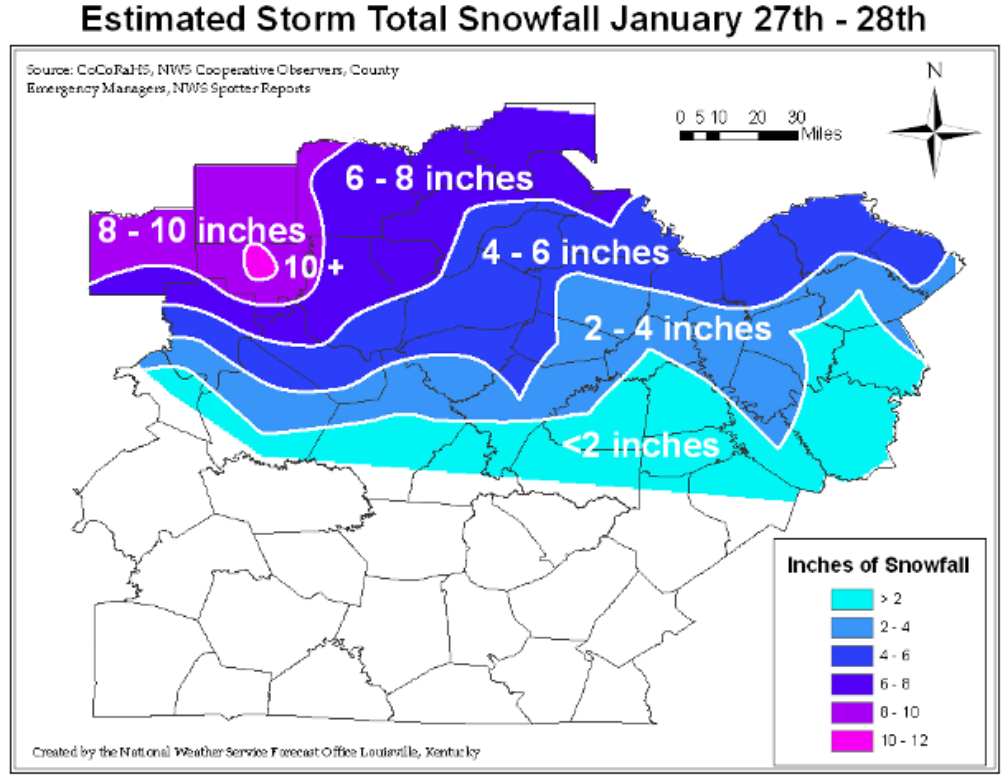
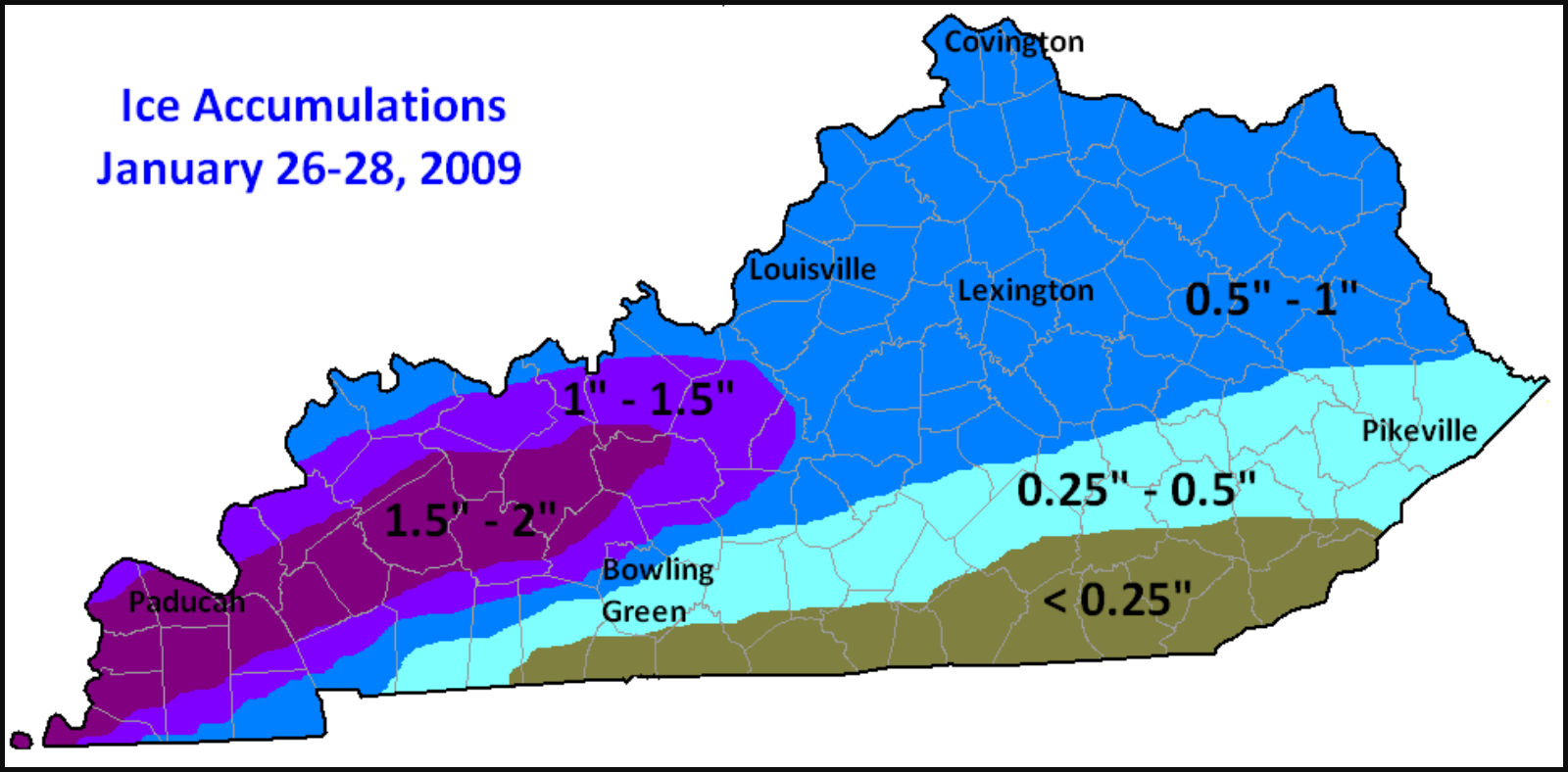
January 26th-28th marked the 10th anniversary of what Governor Steve Beshear described as the worst natural disaster in modern Kentucky history. This storm knocked out power for over 2 million people, caused dozens of deaths related to cars or improperly used generators, and closed schools a week or more in some places. It dropped between a 1/4″ to 2″ of ice over a span of hundreds of square miles and ended with snow accumulations upwards of 4-6 inches for already hard hit areas. Those located further north and not impacted as much by the ice saw snow accumulations of 10+ inches, such as in southern Indiana.

A few facts about the weather set-up/requirements for this storm:

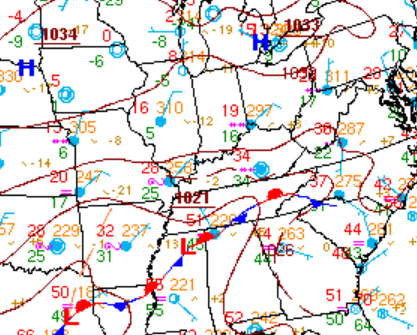
There was sub-freezing air over the Midwest and Central plains for a couple days before the event. This primed the roads and power lines and most surfaces in general for ice accumulation. The cold air remained in place at the surface (between 29 and 33 degreees Fahrenheit for most places), while warm air began to move in around 5,000 feet above the surface. This warm air was associated with a stationary front from the South that stopped right around Central Tennessee. Because warm, moist air is less dense than cold air, it literally ran up and over the cold air at the surface. As the air mass is forced higher in the atmosphere, it expands and cools, the water vapor condenses on tiny particulates in the atmosphere, and eventually becomes to heavy to stay up there. This air between 700mb and 850mb was about 5 degrees Celsius (freezing in Celsius is at 0 degrees), thus the precipitation fell primarily as super-cooled rain. Even though it passed through about 5,000 feet of sub-freezing air, it didn’t have quite enough time to change over to sleet or snow. All it took was that frozen surface for it to immediately freeze on impact.


This surface map shows conditions at 6am/7am CST/EST. N. Arkansas, S. Missouri, and W. Kentucky were already being hit very hard by heavy ice accumulations at this point. -Courtesy WPC surface map archives

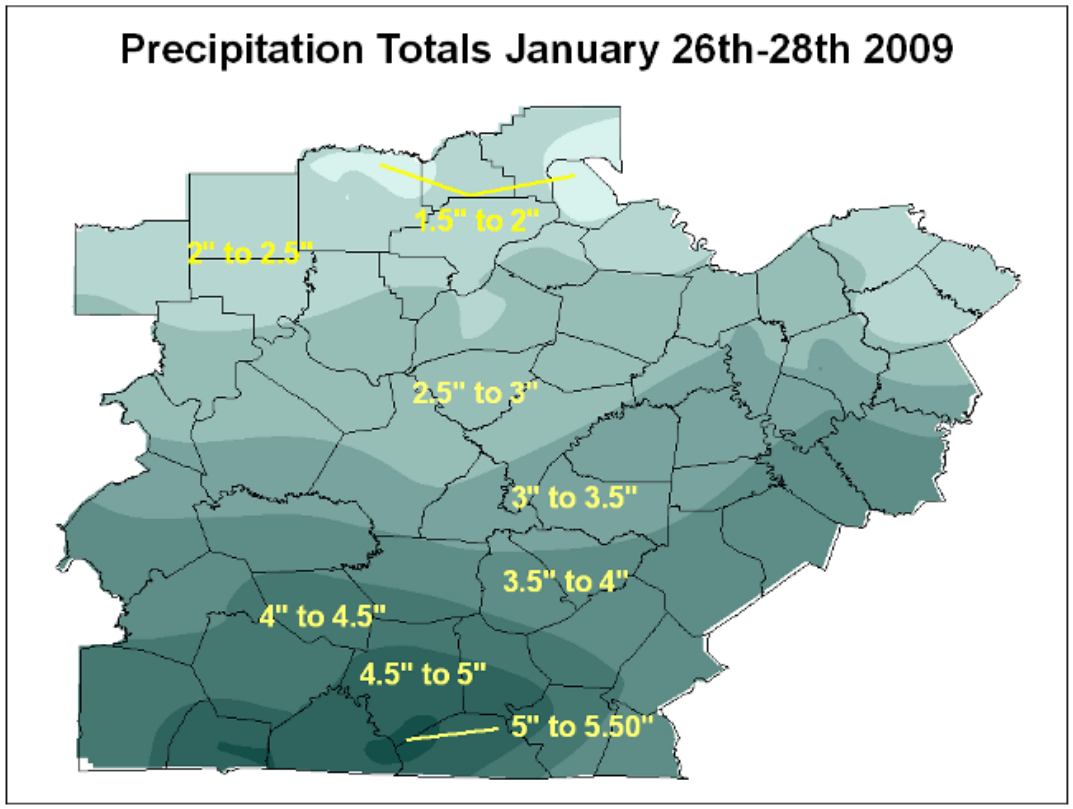
Here are some pictures provided by the National Weather Service in Louisville along with maps generated to show ice and snow accumulations throughout the state.


While not primarily snow or ice, high precipitation totals for Southern Kentucky caused flooding of smaller rivers.

Scotty Gore from Clarkson, KY

Tim Kiger from Leitchfield, Kentucky
Posted in Kentucky Weather | Comments Off on 10th Anniversary of 2009 Ice Storm

WKU Storm Chase

Most meteorologists become interested in studying the weather for one of two reasons: either they had a bad experience with weather and want to learn how to predict it and protect themselves in the future, or they saw a storm and fell in love with the majestic beauty that simultaneously produces destruction. I am personally the second type, which totally makes sense because I tend to live life on the edge. People like me stand outside and watch the storm roll in up to the point the it is basically on top of them…and sometimes we stay outside through the whole thing while telling others to take cover. It’s these same people that get hyped up about going on the Storm Chase class that Dr. Durkee and WKU offer during the first month of every summer. Let’s take a little look into what the school has to offer for those that live life on the edge!

What do they do: CHASE STORMS! But first, you have to forecast them. Students wake up bright and early in whatever place they landed the previous night and get together for a forecast discussion. This discussion is student led with a different person taking lead each morning. Students will use their forecasting skills to pick a few target areas and then narrow it down to the area with the best ingredients for severe weather as a team, under the watchful eye of Dr. Durkee of course. He tends to allow students to run much of the discussion, but he will take the van where he wants to if students have made an blatantly incorrect decision. Besides hoping to find storms, each trip is filled with lots of Subway for lunch and great local eats for dinner. By the end of a long day, students crash in their hotel rooms, sleep for 5-6 hours, and do it all again the next day. Expect to travel over 6,000 miles by the end of the trip (with Dr. Durkee doing 100% of the driving).

When: Students must carve out the first 4 weeks of their summer. This 2-week class is dependent on an ever changing variable, so don’t expect to know what 2-week period you will be going until late in the Spring semester.

Cost: Because it’s a class for 6 hours of course credit, it does cost quite a bit. For in-state students, each credit is about $450, but out-of-state students have to pay $1,100. This amounts to over $3,000 for in-state students and about $7,000 for out-of-state students once food and some other expenses are factored in.

Financial Aid: Don’t run away from that financial storm just yet, because students and organizations can get scholarships from the Student Government Association for trips and research experiences such as this if you write a good enough application. Dr. Durkee also goes out of his way to set-up fundraisers such as cookouts and donation programs to help reduce the hit on students’ bank accounts. While it does look like a lot (and it is), there are reasonable steps you can take to get yourself in that van and out to the Great Plains!

Quotes from the students:

“We were able to make our own decisions, and I feel that by having a class structured in such a way really allows for a growth in confidence that’s difficult to find anywhere else.” -Cait French, Class of 2018 and Storm Chase participant in 2018.

“Storm Chase really was a once in a lifetime experience….Storm Chase really helped me become a more accurate forecaster and helped with understanding concepts in the classroom as well.” -Carson Meredith, Class of 2019 and Storm Chase participant in 2018.

“Honestly,words can’t describe how excited I am to go on Storm Chase. These next two weeks…are going to be the best two weeks of my life!” -A very excited Luke Rodgers, Class of 2020 and upcoming Storm Chase participant who leaves this Saturday.

As noted in the quotes, it’s a nearly indispensable experience. But no matter how hopeful someone is when he/she signs up, anything can happen. Don’t let unmet expectations destroy your love for severe weather if you don’t get to chase a tornado, and don’t sign up a second time just because you got to see more than a dozen. Every trip is different, and the group dynamic will change from year to year. The selection process is also complex, so don’t hesitate to reach out to other meteorology schools or go with some friends! College of Dupage offers 4 10-day trips each year between April and June (June 13th-23rd still has 8 available spots!). Visit https://weather.cod.edu/chasing/index.php?load=chases# for more info. And if you want to avoid to lab fees and cost of credit hours, go with some friends for dirt cheap. Granted, you won’t have the expertise of a well-seasoned teacher to look to for guidance, but you can do things in a manner that is a little less structured (while still never neglecting to do it safely). No matter what option you choose, have fun and live life on the edge!

Posted in Kentucky Weather | Comments Off on WKU Storm Chase

Toasty!

Wow it is going to get warm over the next couple of days! That heat will be brought back down though as rain moves into the area tomorrow night. That rain looks to remain in the area until Sunday night.

Another thing to keep in mind is that winds will be higher tomorrow night and Thursday. Thursday could see gusts as high as 29 mph.

  • SUMMARY:
    • Tuesday:
      • High: 82
      • Low: 56
    • Wednesday:
      • High: 85
      • Low: 69
      • A 20% chance of showers will roll in in the later part of the night.
    • Thursday:
      • High: 76
      • Low: 62
      • Showers will fall throughout the day and night. Gusts could reach as high as 29 mph.

Good luck to everyone on their exams and stay safe going home!

Posted in Kentucky Weather | Comments Off on Toasty!