Rain and cooler weather still on the way

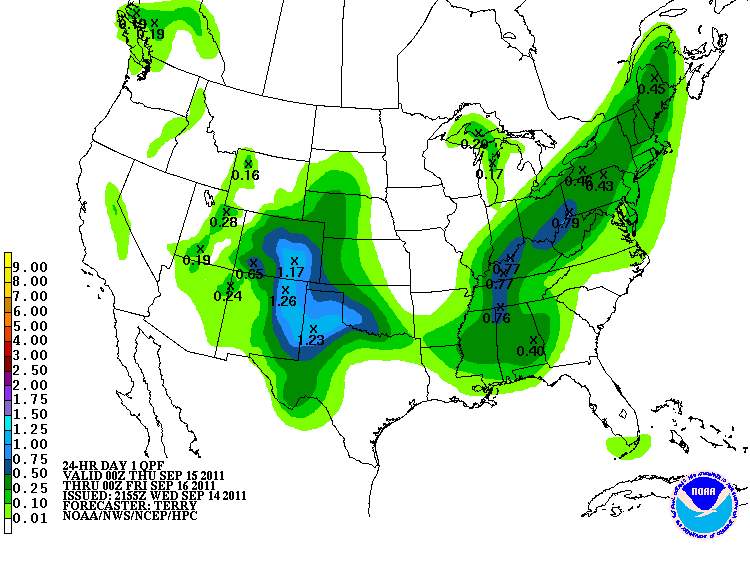
Rain, possibly with a few embedded thunderstorms, will overspread the Bowling Green area tonight ahead of an approaching cold front.

As the picture above shows, southern Kentucky is expected to receive around a half to three quarters of an inch of precipitation. Behind the frontal boundary, temperatures will fall below average. Highs in the upper 60s and lows in the upper 40s are expected tomorrow and Friday. More seasonable temperatures are expected for the weekend and into early next week, with highs climbing back into the upper 70s and lower 80s.

Posted in Kentucky Weather | Comments Off on Rain and cooler weather still on the way

Midweek rain chances followed by a cooldown

After a warm and dry start to the week, a cold front will push through the region in the Wednesday night – Thursday timeframe. This system will bring a good shot at some rainfall and usher in fall-like temperatures for the weekend.

Highs tomorrow are expected to top out in the upper 80s, with temperatures in the lower 80s on Wednesday. As the graphic above shows, the frontal system is expected to drop up to a quarter inch of rainfall in the Bowling Green area Wednesday night and Thursday. Highs Thursday are only expected to reach the upper 60s.

Posted in Kentucky Weather | Comments Off on Midweek rain chances followed by a cooldown

Great Weekend Weather

Hightlights

Warming trend through the weekend

Partly sunny with a small chance of rain

Forecast

The weekend weather is shaping up to be a nice one! The cut-off low that has been dominating our weather this week with cloudy skies and drizzle, is finally opening up into a longwave and translating downstream.

Under suface high pressure and southwesterly flow, highs will reach 80 on Saturday and sunday under partly cloudly skies. This warming trend will continue into next week with more seasonably temperatures into the mid- 80’s. Another update will come soon, but in the mentime, enjoy this nice weekend!

Posted in Kentucky Weather | Comments Off on Great Weekend Weather

Dreary Weather Continues….

Highlights

Upper level low continues to hang over the mid south bringing cool temps and rain chances for the rest of the week.

Precipitation should become more scattered in nature tomorrow evening through the rest of the work week.

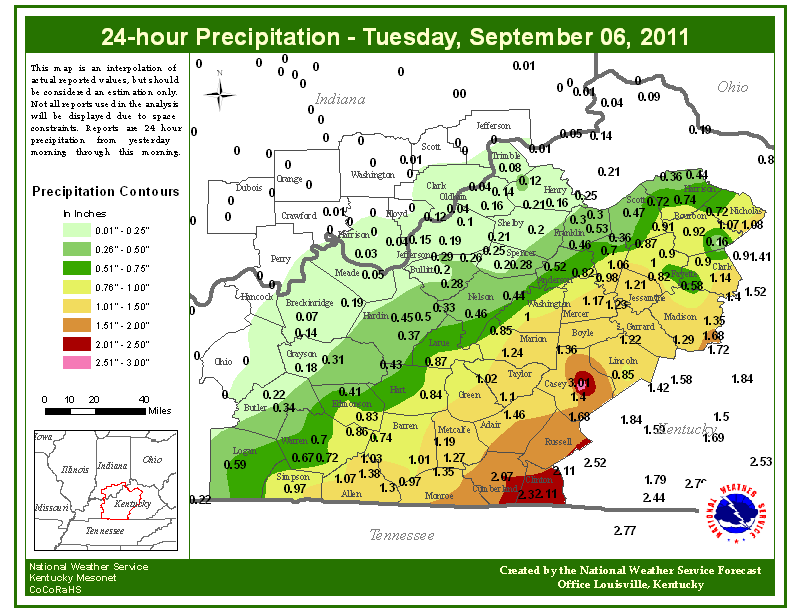
I love the rain, its much needed and not bad news to me, but if you like sunshine you may have to wait awhile. The pesky cut off upper level low, will continue to remain quasi-stationary into the immediate future. However as the surface remanants of Lee slide slowly north, precip should become more scattered in nature instead of wide spread rains. Speaking of rain, pictured below is rainfall totals from this morning from the NWS. They are likely higher from today’s rainfall.

So no change as of yet. Temps will not break 70 again tomorrow as clouds and rain still dominate the weather. Tomorrow’s high looks to be  68.

Posted in Kentucky Weather | Comments Off on Dreary Weather Continues….

Welcome back students and avid blog readers alike!


As classes return at WKU, so does our blog, with Meteorology/Geography students actively blogging at least three times a week. The blog will return to its native format such as from spring semester, where students will post on current weather, as well as forecasts, and any other pertinent news relating to Meteorology.

That being said, how about this weather?

We’ve witnessed a major pattern change away from our dry oppressive heat to cool,wet weather thanks in part to two key players; an upper level trough and its resultant surface cold front, and the remnants of TS Lee.


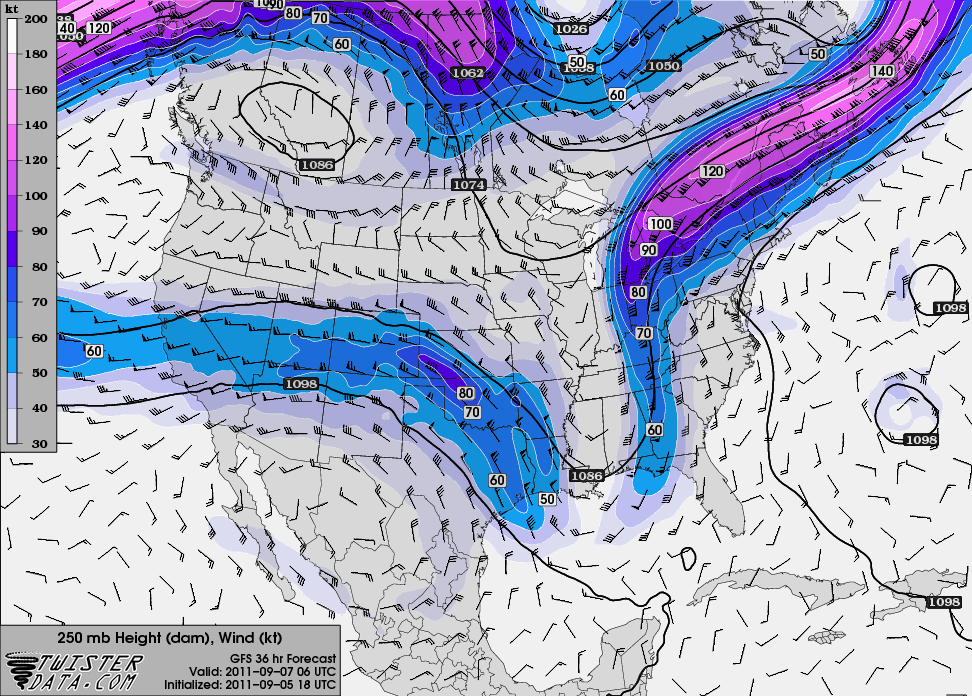
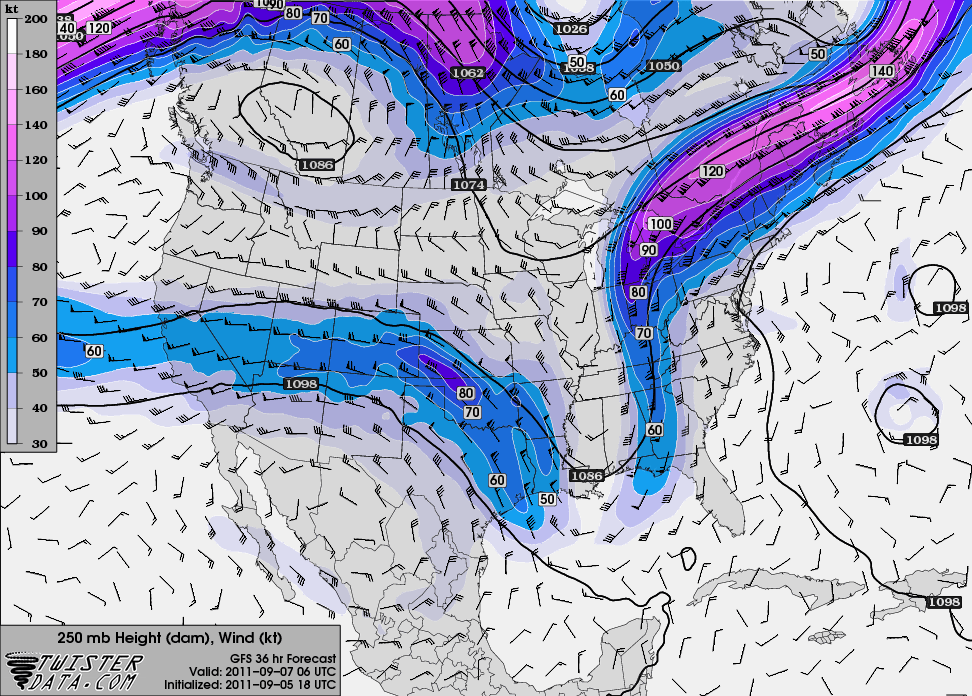
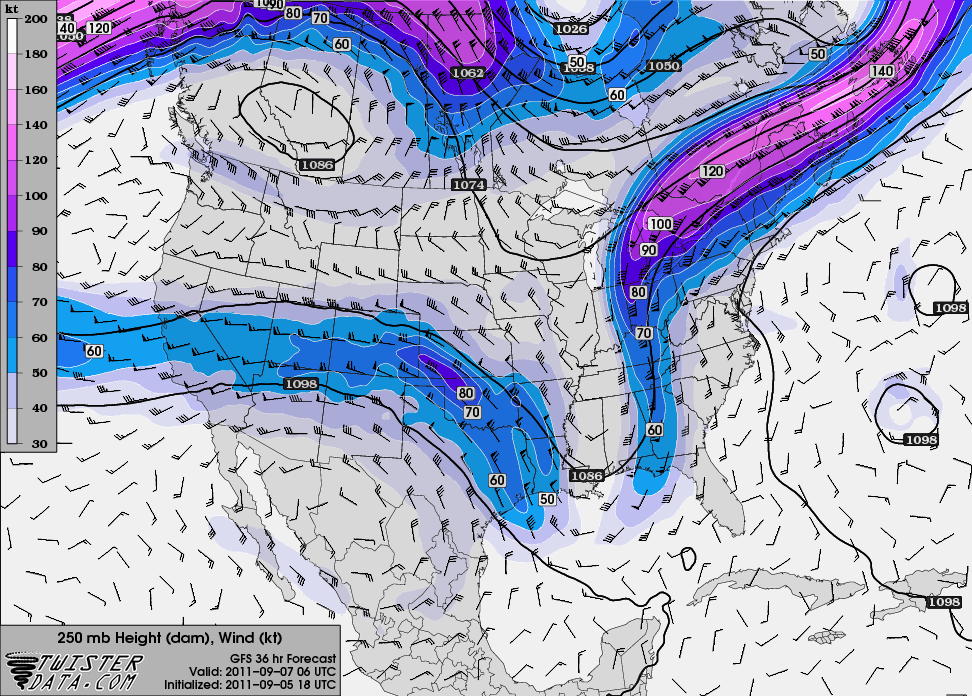
Pictured above is the winds at 250mb (jet stream winds) which show the deep, fall-like trough axis that will be dominating our weather for the near term. This combined with plentiful moisture from Lee will keep temperatures in the 70’s all week with rain chances nearly every day as Lee’s surface low gets nearly “cut-off” from the upper level flow. Tues temps in BG will struggle to hit 70 on Tues. with a good chance of rain! Grab a hoodie, and in the mean time, more to come…

Posted in Kentucky Weather | Comments Off on Welcome back students and avid blog readers alike!

Field Methods-Day 14

By: Lindsay Rice

We left Hannibal, MO around 8am on Wednesday morning. The group reflected on the trip for a majority of the way home. We reminisced about the experience and shared pictures and videos. We dropped Dr. Dixon off in Memphis, TN then made our way back to Bowling Green, where we cleaned the van. Everyone agreed that the trip was a great experience that we will remember for the rest of our lives. We have gained knowledge outside of the classroom that has helped us apply what we have learned in class to real life situations. This experience was unlike any other class we had ever taken, and everyone would agree to do it again in a heartbeat.

Posted in Kentucky Weather | Comments Off on Field Methods-Day 14

Field Methods – Day 12

Posted by: Kate Wilson

Today seemed like the last promising chase day of the trip. The setup involved a surface low in the northern central plains, with a warm front situated west to east across the Midwest and a cold front stretching from South Dakota through Colorado. Southerly flow off the Gulf of Mexico brought up moist air with dewpoints in the upper 60s and lower 70s. The surface showed clearing in southeastern South Dakota and eastern Nebraska. CAPE values were expected to exceed 5000 J/kg, but a strong cap was in place as well. However, it looked like a break in the cap would drape from central Nebraska up to eastern South Dakota. While the strong CAPE seemed able to break any remaining cold cap by late afternoon, the main issue with the setup was wind sheer. Winds aloft were very weekly veering, and there were low helicity values, meaning smaller chances of powerfully rotating supercells and thus tornados. Looking for a break in the cap, some students set their sights as far north as Sioux Falls, but we decided to remain in Nebraska and head towards the town of Taylor in the central part of the state.

Throughout the day, a mesoscale discussion was issued by the Storm Prediction Center which described the situation we were anticipating: large amounts of instability with a good chance of strong thunderstorms, which would likely start as discrete (individual) cells, becoming a joined line of storms with time. This was due to the mainly unidirectional vertical wind field. It was key to be on a storm as soon as it formed for its best chances of rotation before congealing into a line of other storms.

Storms began firing around 1900 UTC to the southwest and north of Taylor. We decided to pursue a storm to the north which produced wall clouds and several gustnados, one of which was mistakenly reported as a tornado by another storm chaser. This is somewhat easy to do as a gustnado is a circulation visible as a dust whirl on the ground due to turbulence from the main storm. However, there is no upper level support in the form of a rotating updraft or wall cloud, so this cannot be classified as a tornado, although they may mimic one in appearance. Eventually this cell became more organized and had a well-defined circulation, but we had to abandon it when it started right-turning and the limited road access prevented our chase.

We then watched cells fire on the tail end of the quasi-linear convective system. This term simply describes a “line” of storms that is not definitely linear joining together multiple cells displaying linear characteristics. After watching the new storms form, we made the decision to move northward towards O’Neil to get a better view of more mature, possibly right-turning storms. A cell that begins to turn to the right of the mean wind flow is usually a good indicator of imminent rotation and tornadogenesis. This is due to the increase in helicity and wind sheer from the motion of the storm in the shifting wind field. We were satisfied with our choice to go north as the storms to our south were bowing out and overall becoming more linear. This linearity shows that a storm probably only has one strong burst of wind in a unified direction, and as it bows may also produce damaging straight-line winds. A tornado was reported on our way to O’Neil, and by the time we arrived, the entire complex of storms had become substantially more linear. There were brief episodes of rotation indicated on reflectivity, but as the sun set, we decided to end our chase. The team headed to Norfolk, Nebraska, awaiting the conclusion of our trip in the coming days.

Posted in Kentucky Weather | Comments Off on Field Methods – Day 12

Field Methods– Day 13

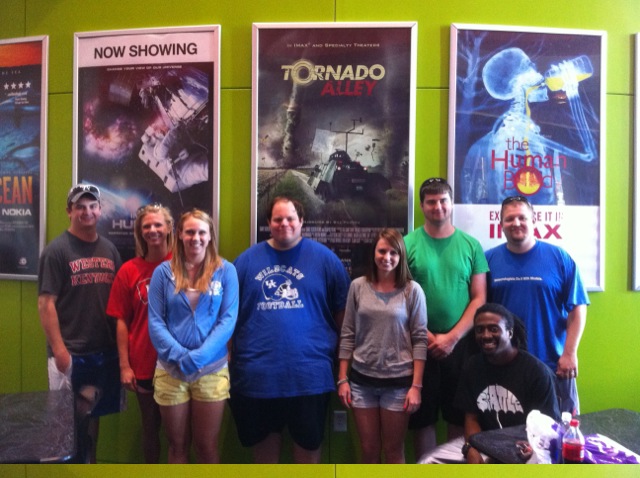
The group started out the day in Norfolk, NE with some breakfast. The groups target was Des Moines, IA with a 100 percent chance of seeing tornadoes. The group went to the IMAX Film Called “Tornado Alley” by Sean Casey at the Science Center of Iowa. This film discusses the use of the Tornado Intercept Vehicle seen on the Discovery Channels show Storm Chasers. This vehicle was constructed to take a direct impact from a tornado. This IMAX film had some great video of storms seen during multiple seasons of storm chasing. This film also depicted the Vortex 2 project. This project is the largest tornado research project ever done. The group got to witness how difficult it is to manage a project of its size and some of the trying times the TIV went through to obtain the shot of a tornado coming toward and striking their vehicle. This film also taught the public briefly about how tornadoes are formed. The best part of the movie was getting to see time lapse video of multiple storms rolling across the plains. The class also saw shelf clouds, mammatus clouds, funnel clouds, wall clouds, and tornadoes. This was a great way for the group to wrap up a successful trip on the plains. The group left Hanibal, MO at 8 AM headed home.

Photos from the day:

IMAX ticket

Group photo by the "Tornado Alley" poster


Posted in Kentucky Weather | Comments Off on Field Methods– Day 13

Field Methods– Day 11

By: Nathaniel Shearer

With the memory of yesterday’s strong CIN preventing thunderstorms fresh on our mind, the group was getting anxious to view storms and especially tornadoes.  After a discussion on the current atmospheric setup, a low pressure system ejecting from the four corners would continue to deepen as well as begin to push a warm front due north and a dry line to the northeast.  Lifting along the dry line was sure to develop storms, but we strongly felt that these storms would not be tornadic due to other parameters loosely coming together in that region.  Another possible target involved shifting our attention to the southeast area of Nebraska stretching to northeast Kansas.  This target area provided the most promising signs of tornadoes developing, but once again CIN was against us.  CIN is a measure of Convective Inhibition (also known as a cap) which detects how much energy a parcel needs to overcome a warm layer in the mid-levels of the atmosphere.  With strong agreement that the best chance to see tornadoes would be in the Kansas/Nebraska area, concern quickly turned to the CIN in place and if it would erode from the southwest to the northeast into the target area as models had been suggesting it would.
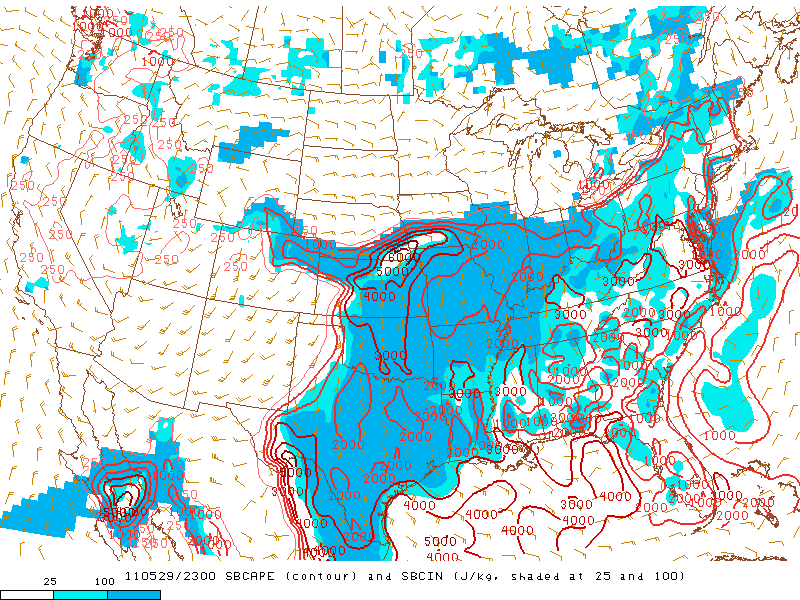
Measure of CAPE outlined in red and CIN shaded in blue. Target area predicts a hole in the CAP at 6:00pm

The Nebraska/Kansas target also housed the best instability for parcels to tap into, also known as CAPE.  Convective Available Potential Energy measure how much energy a parcel will have to rise before an air parcel becomes the same temperature as its surroundings; preventing further lift.  Composite reflectivity prediction by the High Resolution Rapid Refresh weather model depicted no storms in the state of Kansas, so it was not handling the current atmospheric setup well.  Tough calls had to be made.  We could either remain in central Kansas and see fairly guaranteed storms with little tornadic potential, or head to Nebraska/Kansas border, hope storms fire in forecasted weakening of the cap, then watch storms become potentially tornadic.  The reoccurring motto for the day was simple; go big or go home.  And with time running out on our quest for a beautiful tornado, the choice was simple.  We packed out bags and left from Colby KS to our target area of Beatrice NE.

Once we arrived in Beatrice we enjoyed lunch and passed time at a local park waiting for the cap to erode.
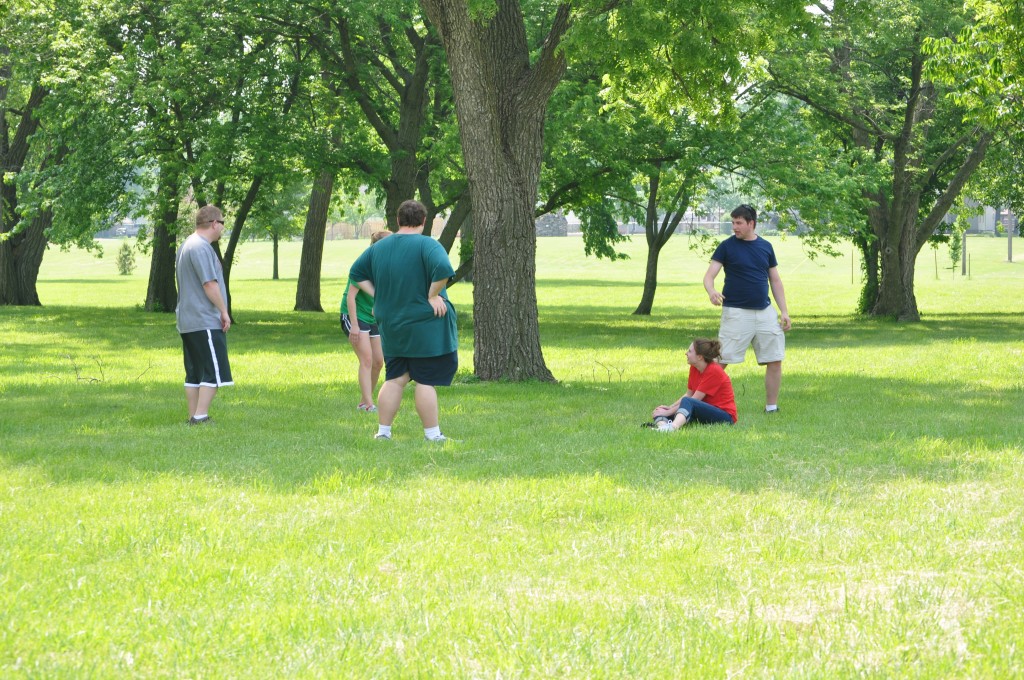
Group resting in the shade. It was greatly needed since temperatures were in the low 80's with dewpoints in the low 70's!
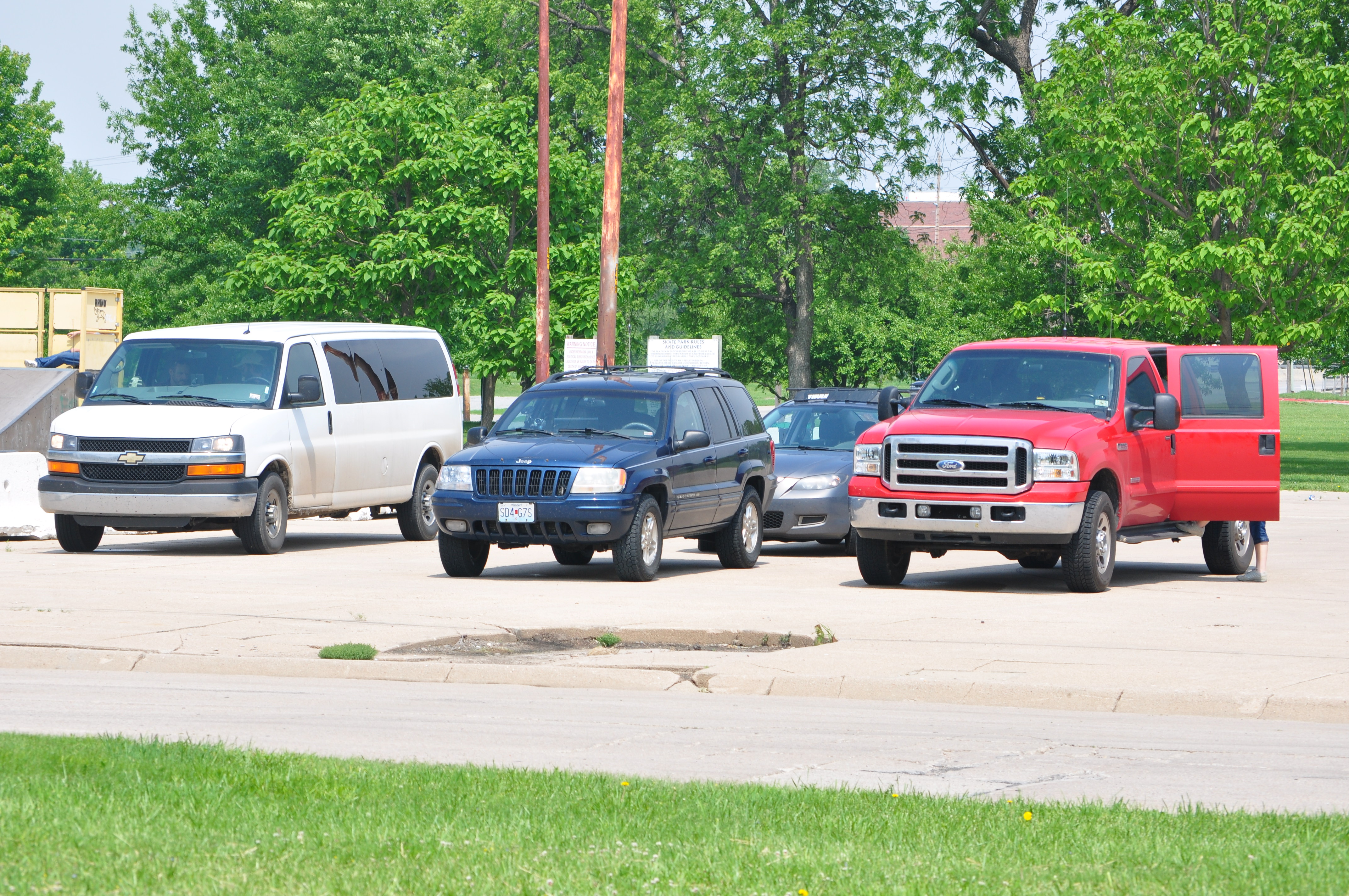
Turns out we wern't the only chasers anxious to see storms around Beatrice.

Waiting for storms to initiate can be cumbersome, so we made a few stops around town before storms finally began to fire in the region of the weakening CIN at 6:15.  With continued strengthening of the cell that developed just north of Huskerville Nebraska as well as strong shear/helicity in the region, the Storm Prediction Center accordingly released a tornado watch for our region.  It seemed everything was coming together.

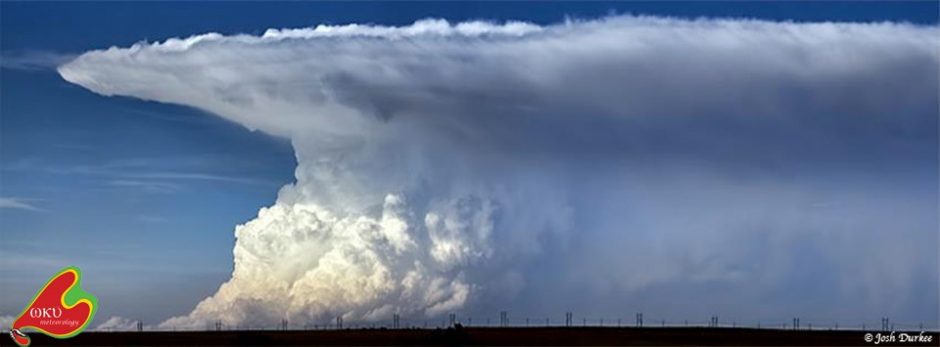
We continued to watch the cell slowly move to the northeast.  First view of it showed an increasingly impressive anvil, but an updraft tower that was quite smaller than we’d like to see.
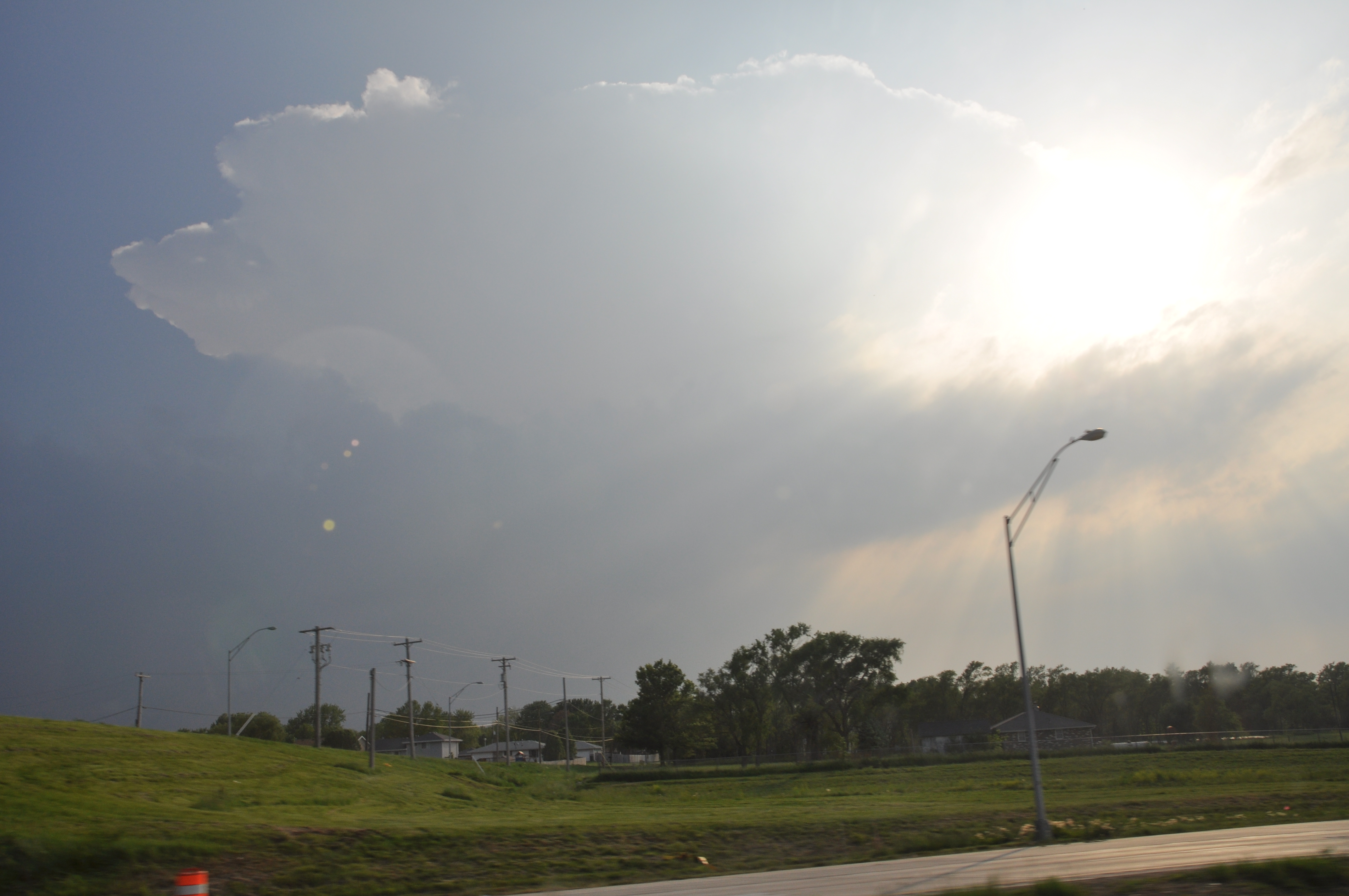
Towering cumulonimbusIt wasn’t more than an hour before excitement turned into disappointment.  We believe that the updraft tower was too narrow to sustain itself in the highly sheared environment.  Shear refers to a changing in wind with height, and because shear was so strong around the weak updraft it was essentially twisted apart.
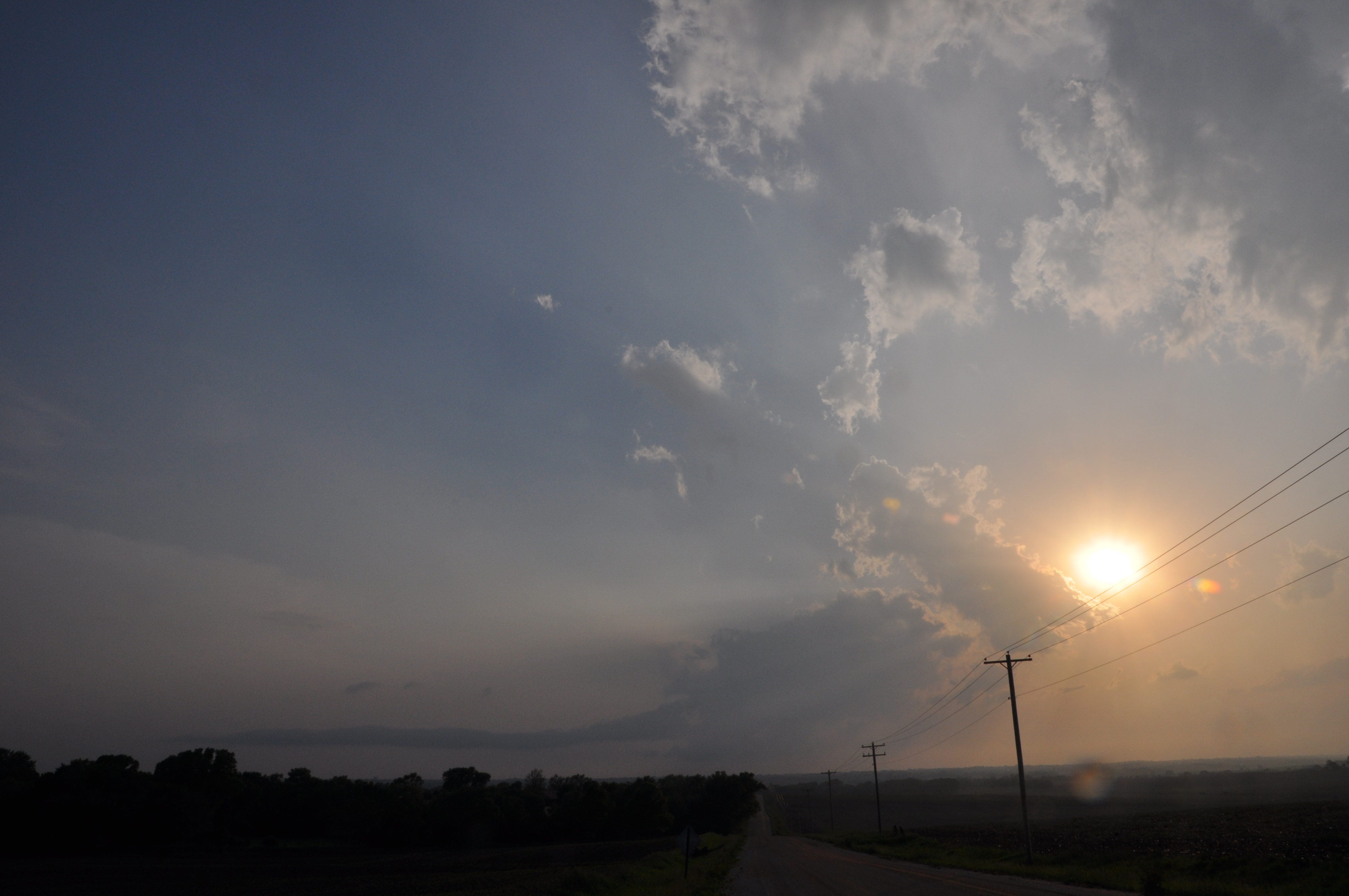
View of dying thunderstorm with the base of the storm still intact.

View of updraft tower twisted apart. The tilting of the updraft tower is visual confirmation of shear in the area. Anvil of thunderstorm is still present.

After abandoning the dissipating storm we headed to the University of Nebraska in Lincoln; home of the Huskees, to view their campus on the way to our hotel in Carter Lake Iowa.
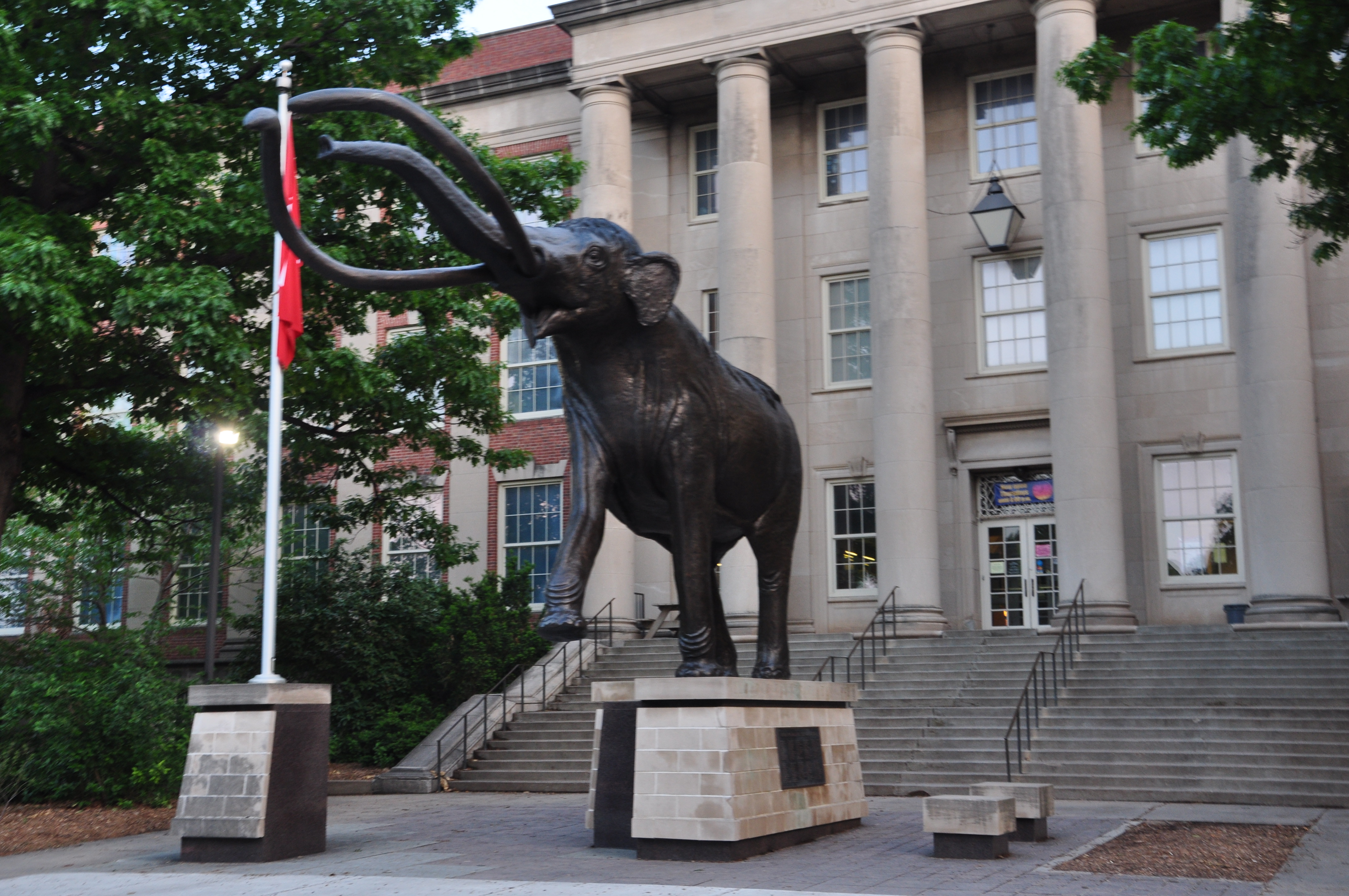
Picture from University of Nebraska campus

Always keep your eyes peeled when storm chasing.  It’s not always about the tornadoes.  While driving down the road passing time waiting for thunderstorms to initiate, a horseshoe vortex was noticed outside the driver side windows.
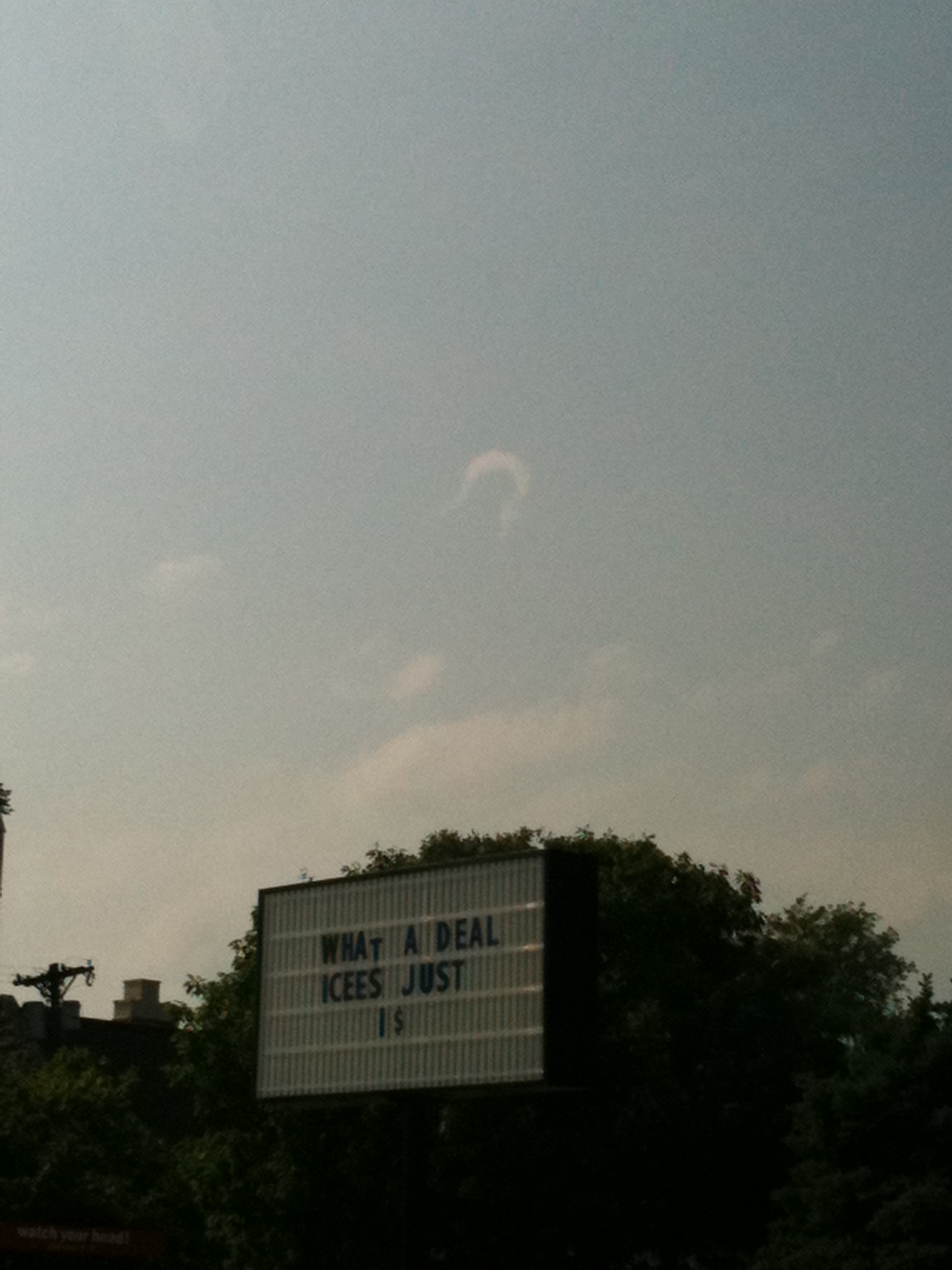
These vortexes are believed to develop when low level horizontal shear is lifted by thermals rising in the atmosphere bending the circulation into a horseshoe shape.  It’s not often they’re seen because of the environment they form in as well as the short longevity of their appearance.
Posted in Kentucky Weather | Comments Off on Field Methods– Day 11

Field Methods–Day 10

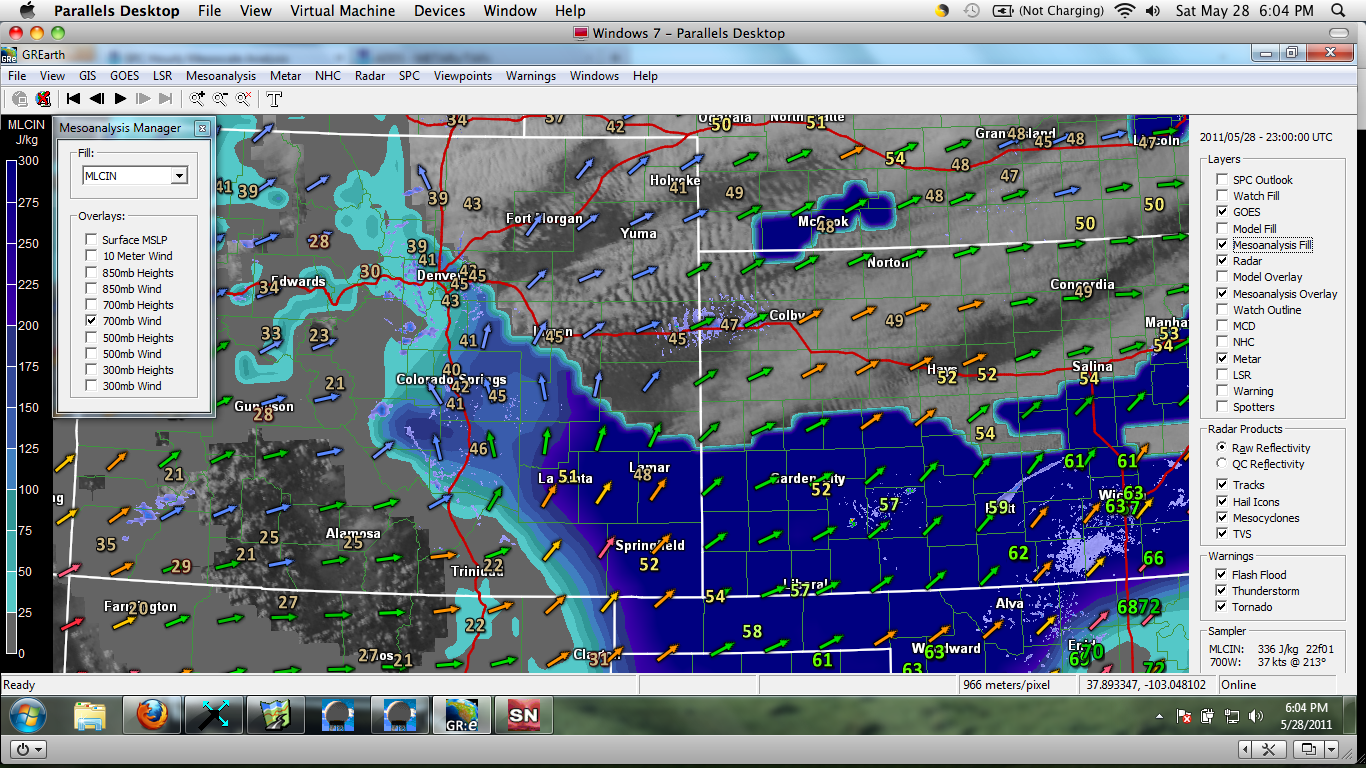
Our group woke up in Limon, CO with hopes of a chase day in southeastern Colorado. The outlook in that area was meager with a dominating cap (CIN) over the area preventing any convection from taking place. All other parameters, such as instability and shear were descent enough. Also the topography plays a key factor in storm development in this area due to lee cyclogenesis from the mountains. This is why we chose a target in the vicinity of Limon.  However, expectations for a storm were very low because the 700mb temperatures were at 14° C and temperatures around 17° C were advecting into the area. Temperatures of this range at the 700mb level are indicative of a very strong cap that will more than likely not be weakened enough for storm initiation. Despite the low chances of a storm, we decided to hang out in Limon long enough to see if just maybe the cap would erode away by late afternoon.

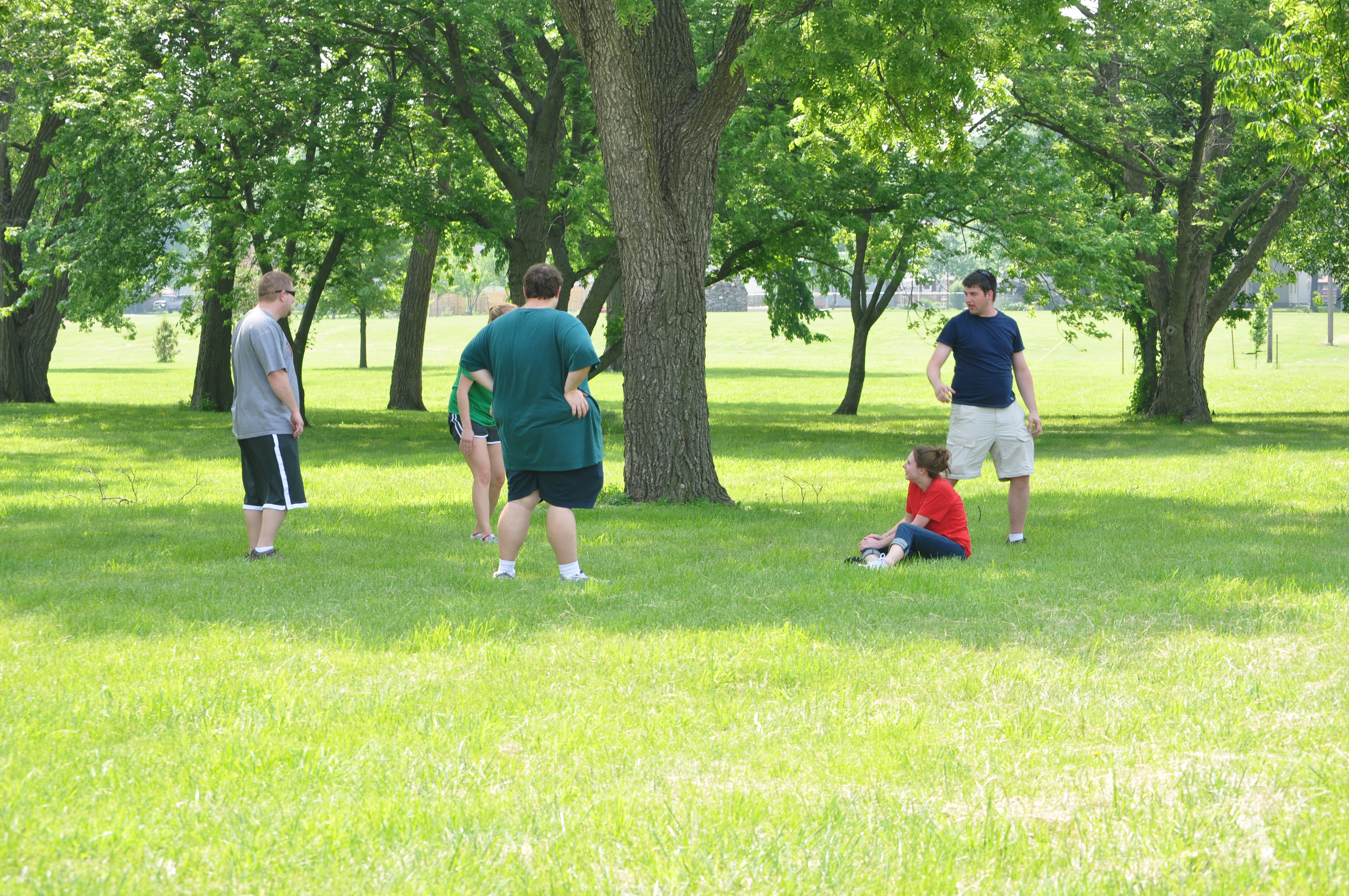
In the mean time we had a long lunch at a local restaurant called Oscar’s Bar and Grill. Then we went to a park in the area to play football. By 4:15 p.m. mountain time, the CIN was still very strong and no clouds were forming in the southeastern portion of Colorado. At this point, we decided to drive to Colby, KS in order to be in a better position for today, Sunday. No storms ever formed in southeastern Colorado area after we left.

In Colby we went to dinner at a local restaurant called Twister’s Bar and Grill. There we watched an 80’s hairband play music. They actually called all ten of us up onto the stage to sing with them! Unfortunately, none of us knew the words to the song.

This image captured from GR Earth at 5 pm shows the 700mb winds along with CIN values of -200J/kg or more indicating a very strong cap.

Photo By: Lindsay Rice

Posted By: Olivia Payne

Posted in Kentucky Weather | Comments Off on Field Methods–Day 10