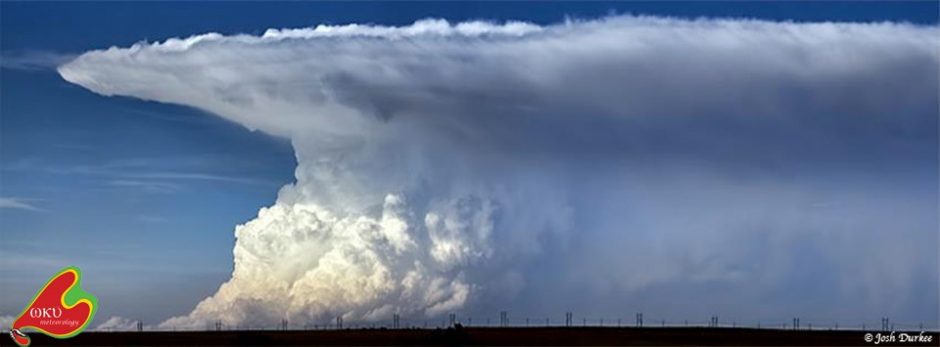
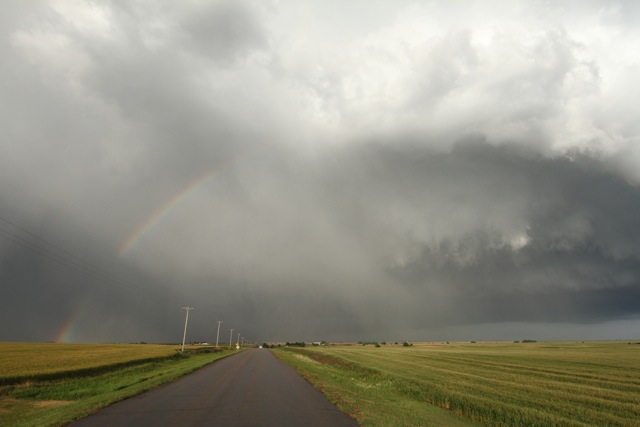
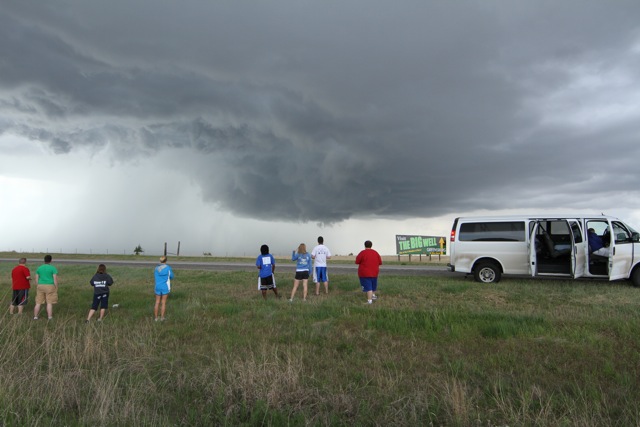
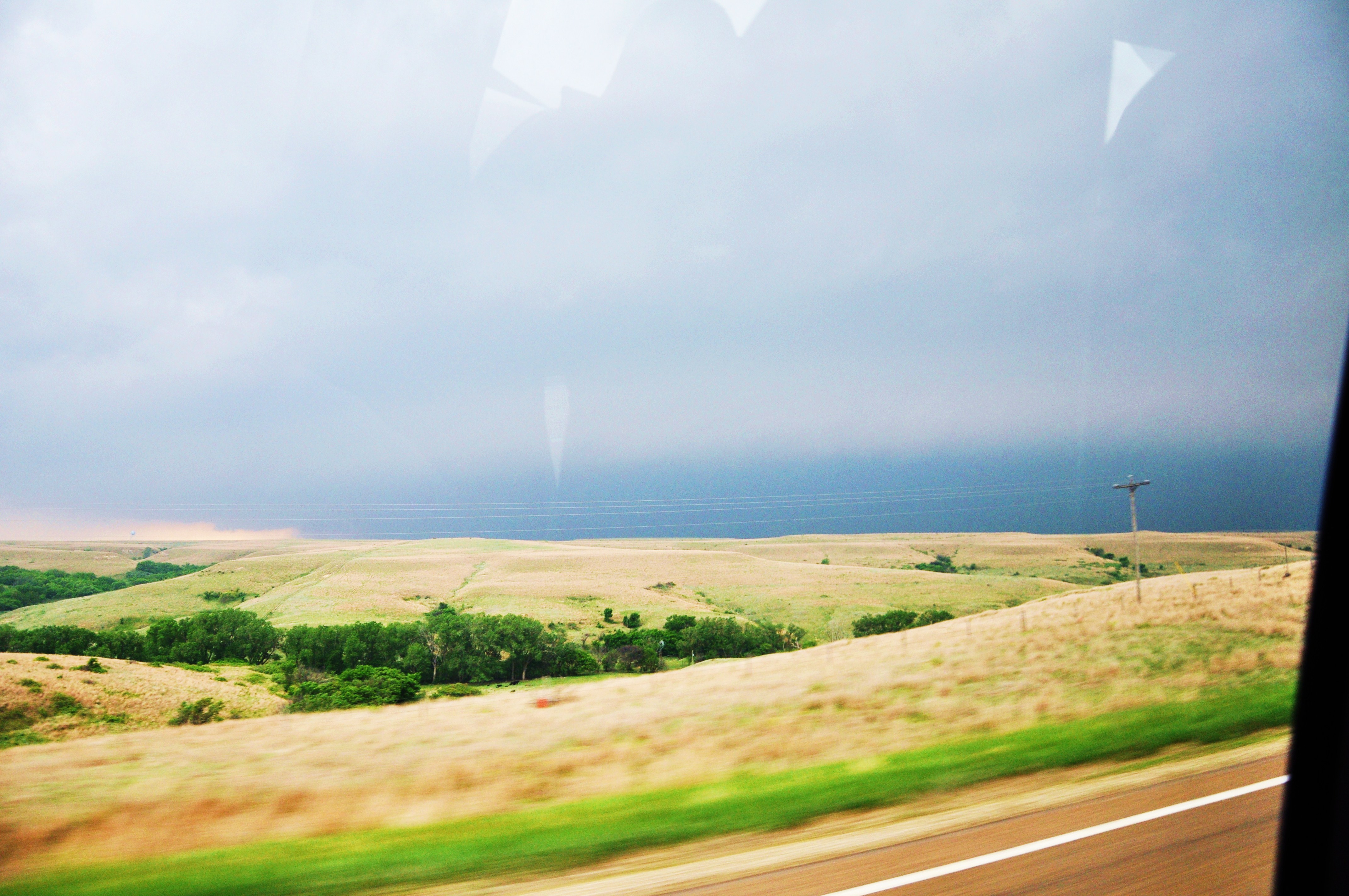
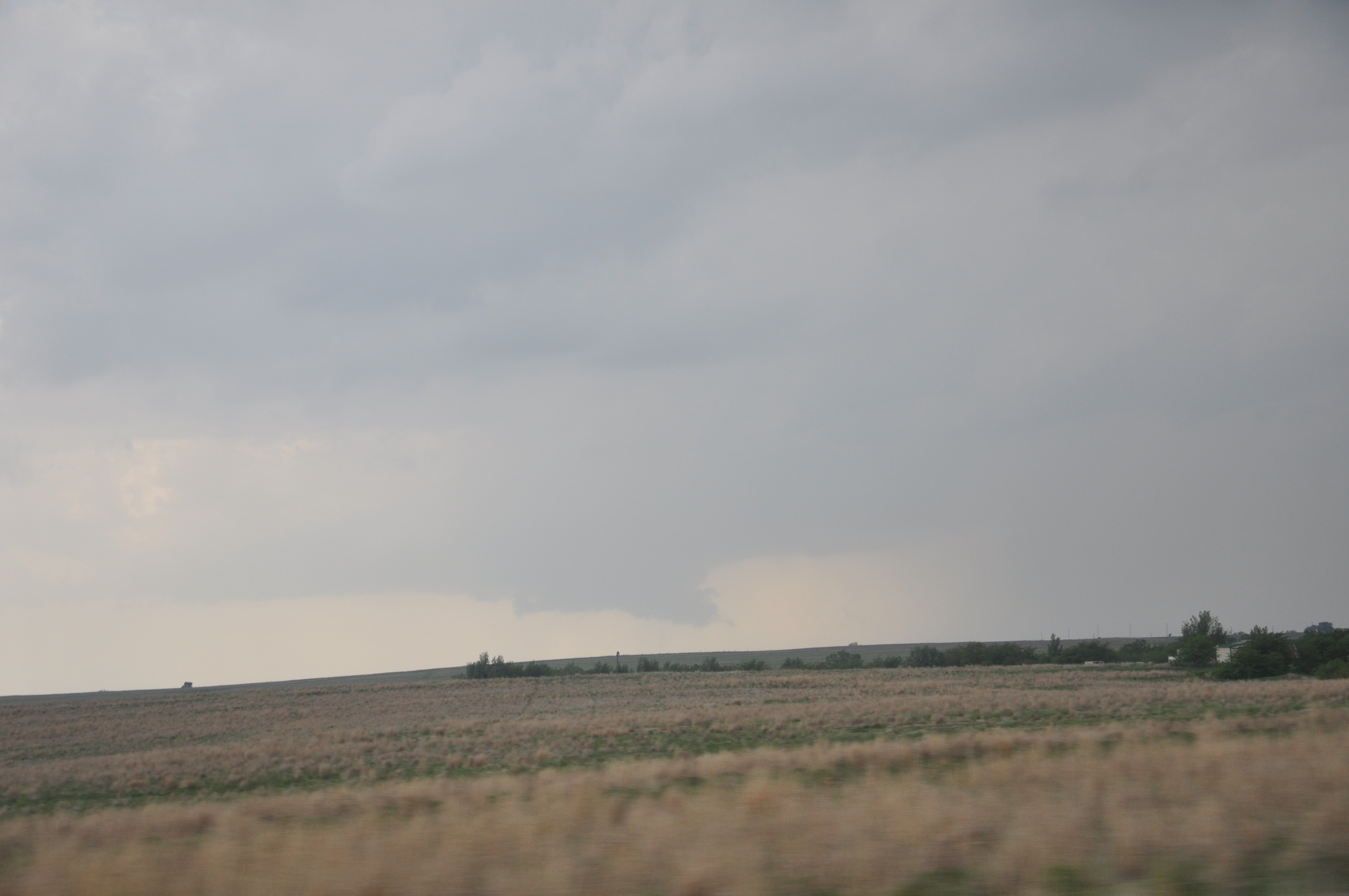
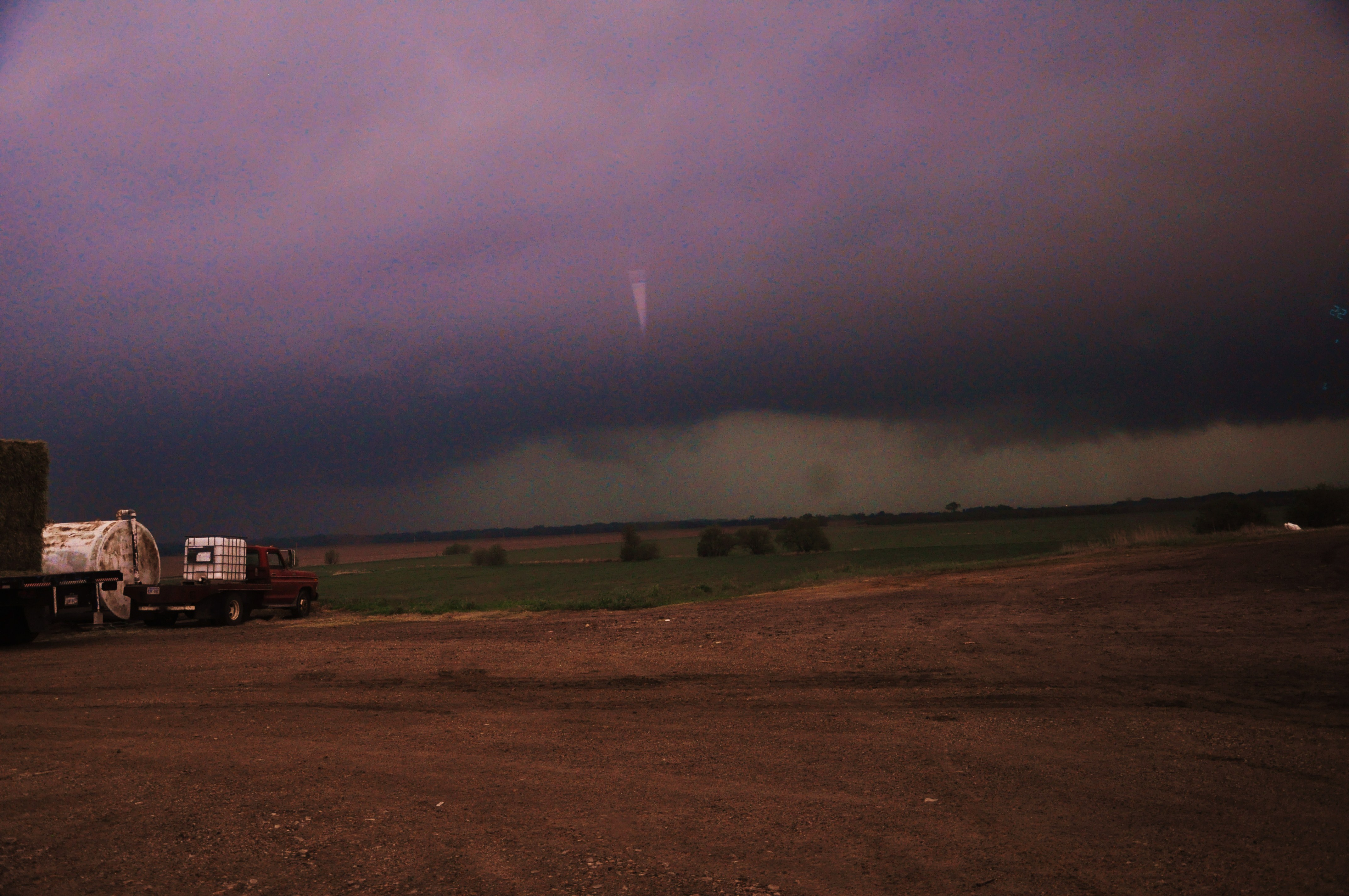
Mother nature was not allowing us to pursue our goal of catching stomrs. The atmosphere was in the process of developing another system to eject out of the four corners region for this weekend.
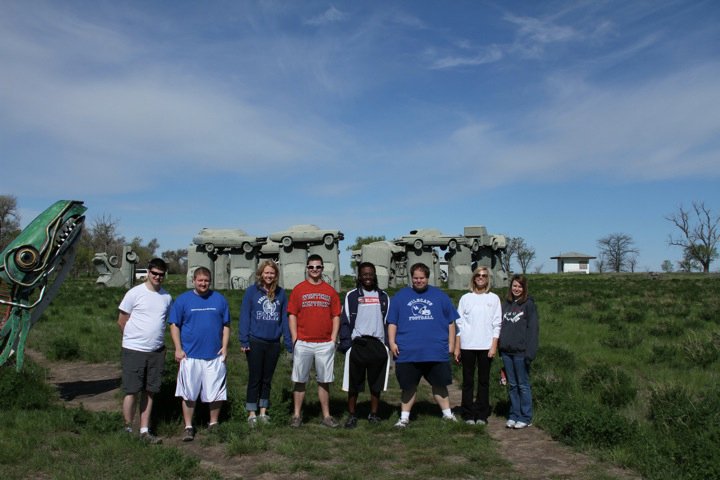
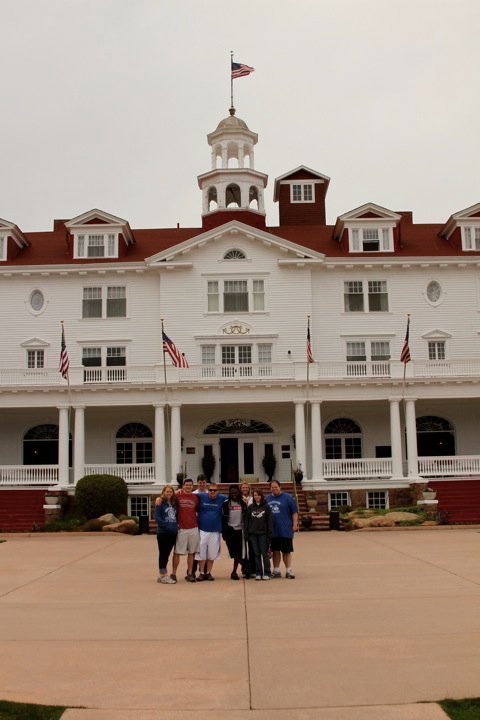
So the group decided to take a day to go sight seeing. We stayed the night in Alliance, NE where a unique sight was located, that place was Carhenge. A bit redneck and pointless but nonetheless a must see. Our target for Saturday was situating us in east central Colorado, so we decided to go to the Rocky Mountain National Park. On the way to the national park, we drove through Estes Park, CO where the Stanley Hotel is located. Since most of the students and professors have seen the famous movie ‘The Shining’ starring Jack Nicholas in a thriller about a haunted hotel, we had to walk through and get a group photo.
Photo By: Dr. Joshua Durkee
Photo By: Dr. Joshua Durkee
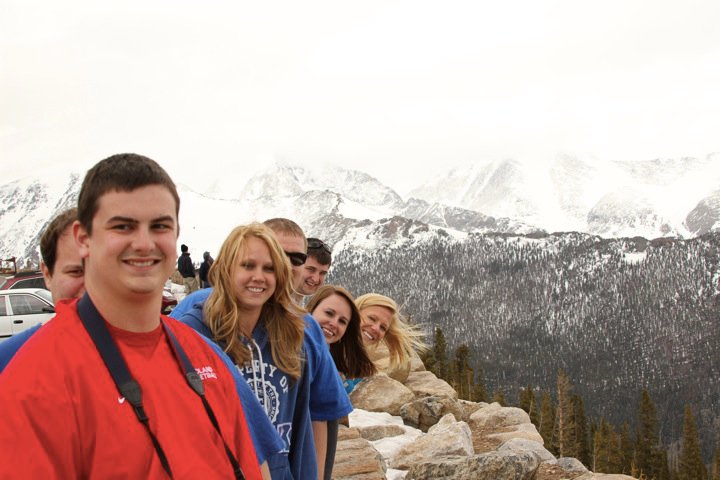
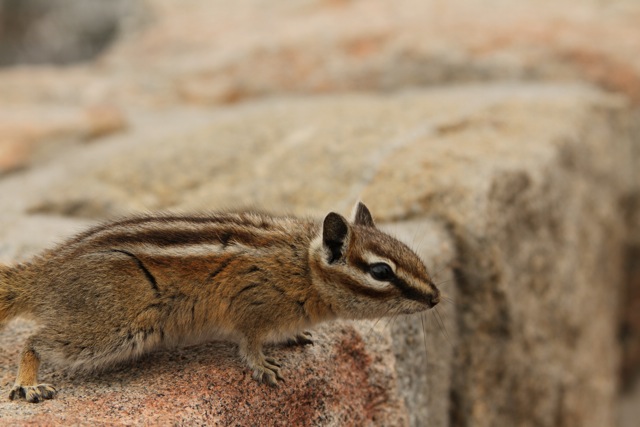
Next, we continued on to the Rocky Mountain National Park where we saw an assortment of wildlife, Chipmunks to Elk, and beautiful scenery. The group got a picture situated 10,000 feet above sea level, with the beautiful snow capped Rockies in the background. Dr. Durkee also got extremely close pictures of a chipmunk that was not afraid of us!
Photo By: Dr. Joshua Durkee
Photo By: Dr. Joshua Durkee
Tomorrow the class looks to be heading back towards the plains and out of Colorado, but since models are not in agreement, we are unsure of our exact target. Anywhere along I-80 looks good tomorrow. However, tomorrow is just a setup for the day after which looks even better. After a day of relaxing and sight seeing, I know for sure all of us are more than excited to get back to chasing storms.
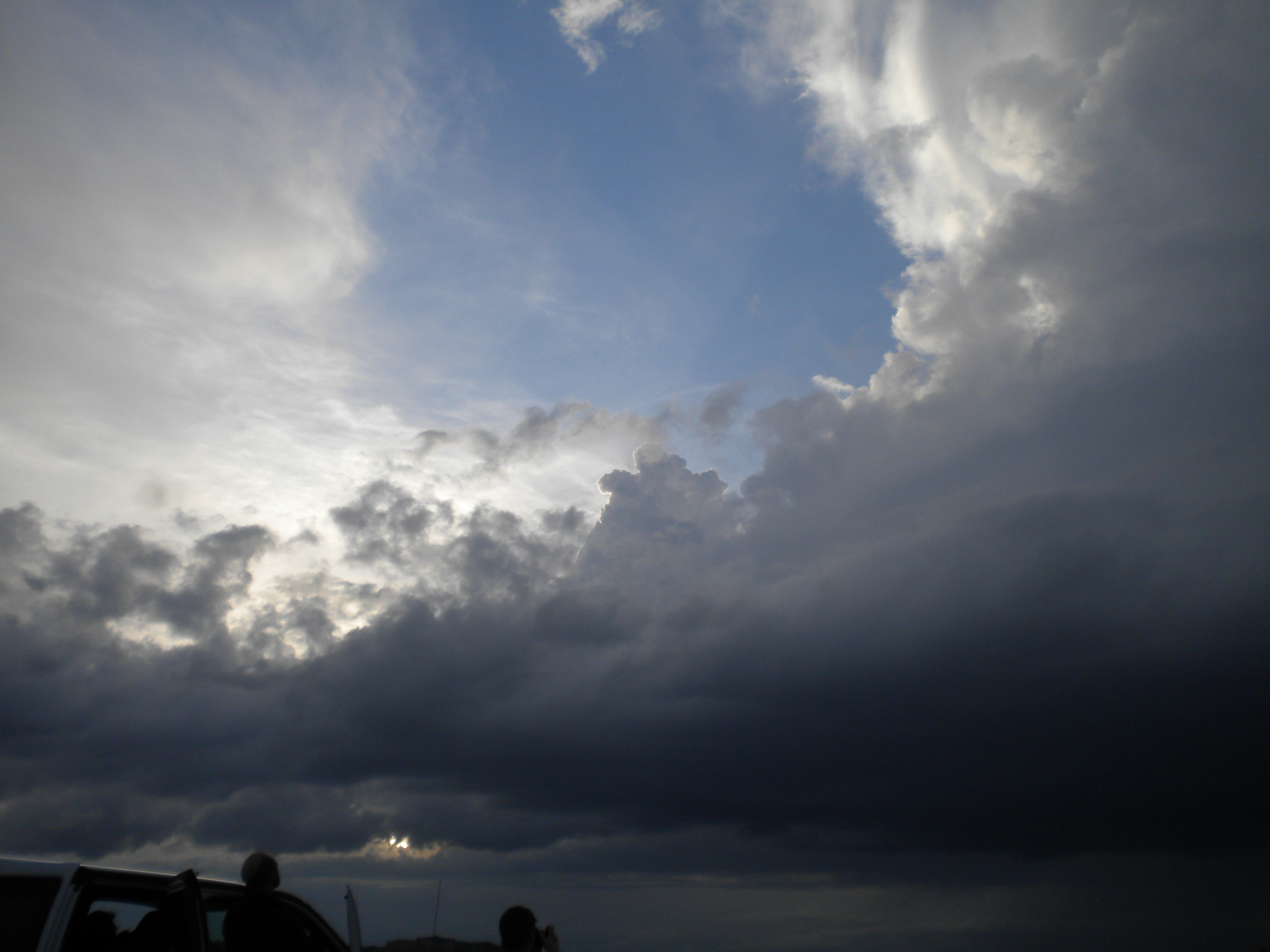
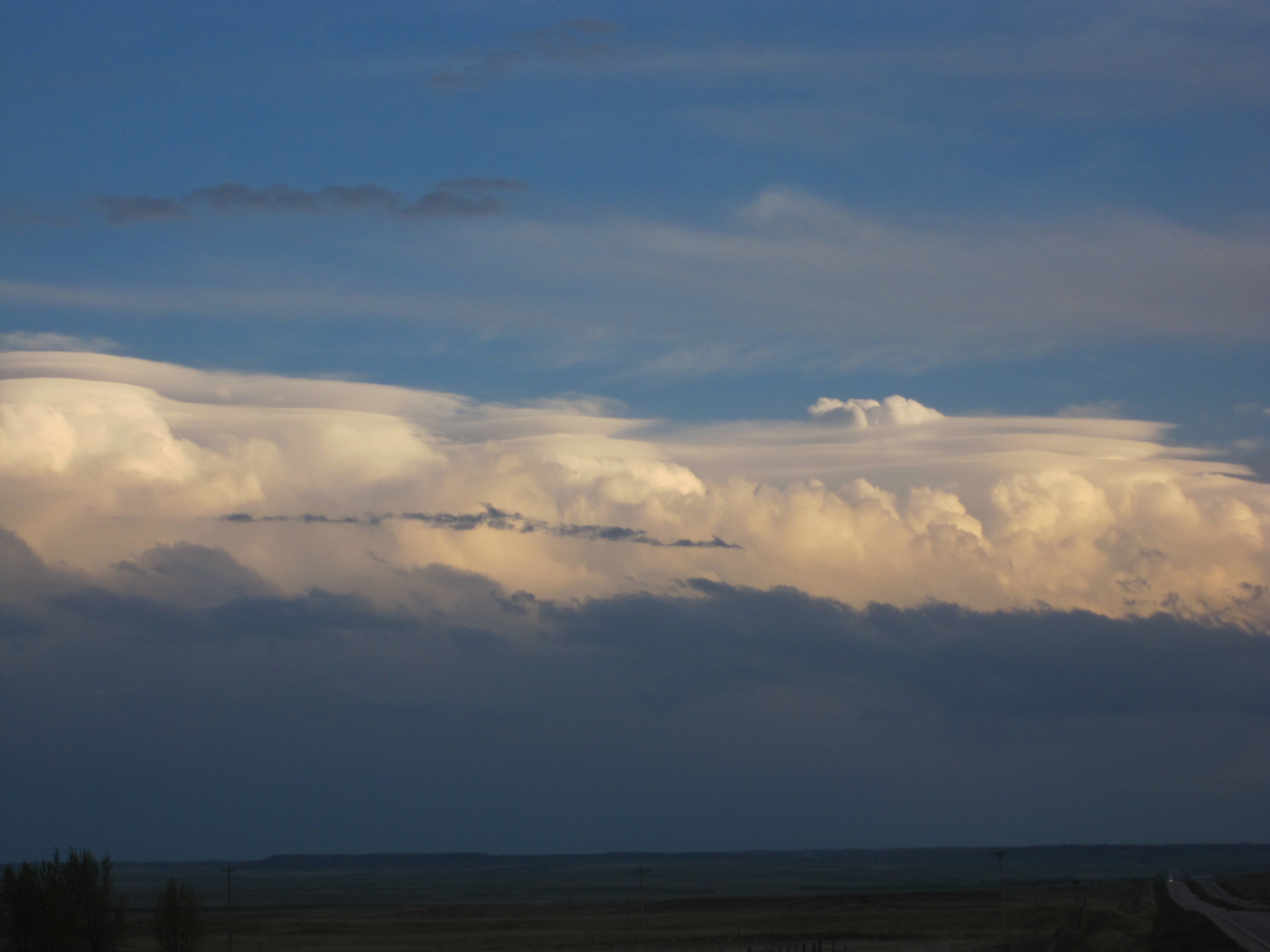
Cheyenne turned out to be a good pick, yet the cap that was literally putting a lid on convection was literally to much to overcome. We ended up seeing a couple of cells that popped up on the Wyoming/Nebraska Border. We pursued the cell to our north which first showed up at about 0030Z (730pm central). It turned out to be a fairly photogenic storm even though it did not amount to anything.
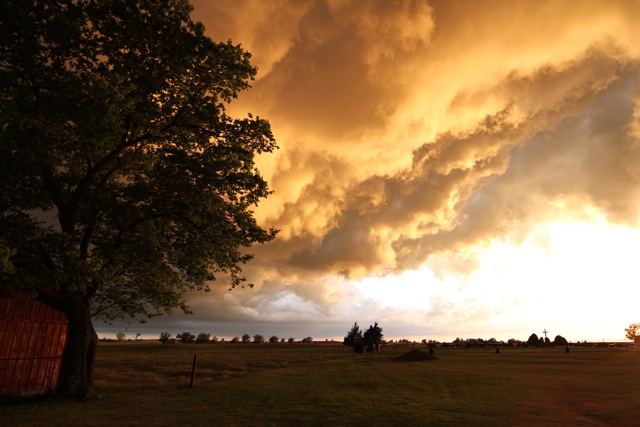
We also got some awesome pictures of some pileus clouds, which was definitely more interesting than seeing in a text book.
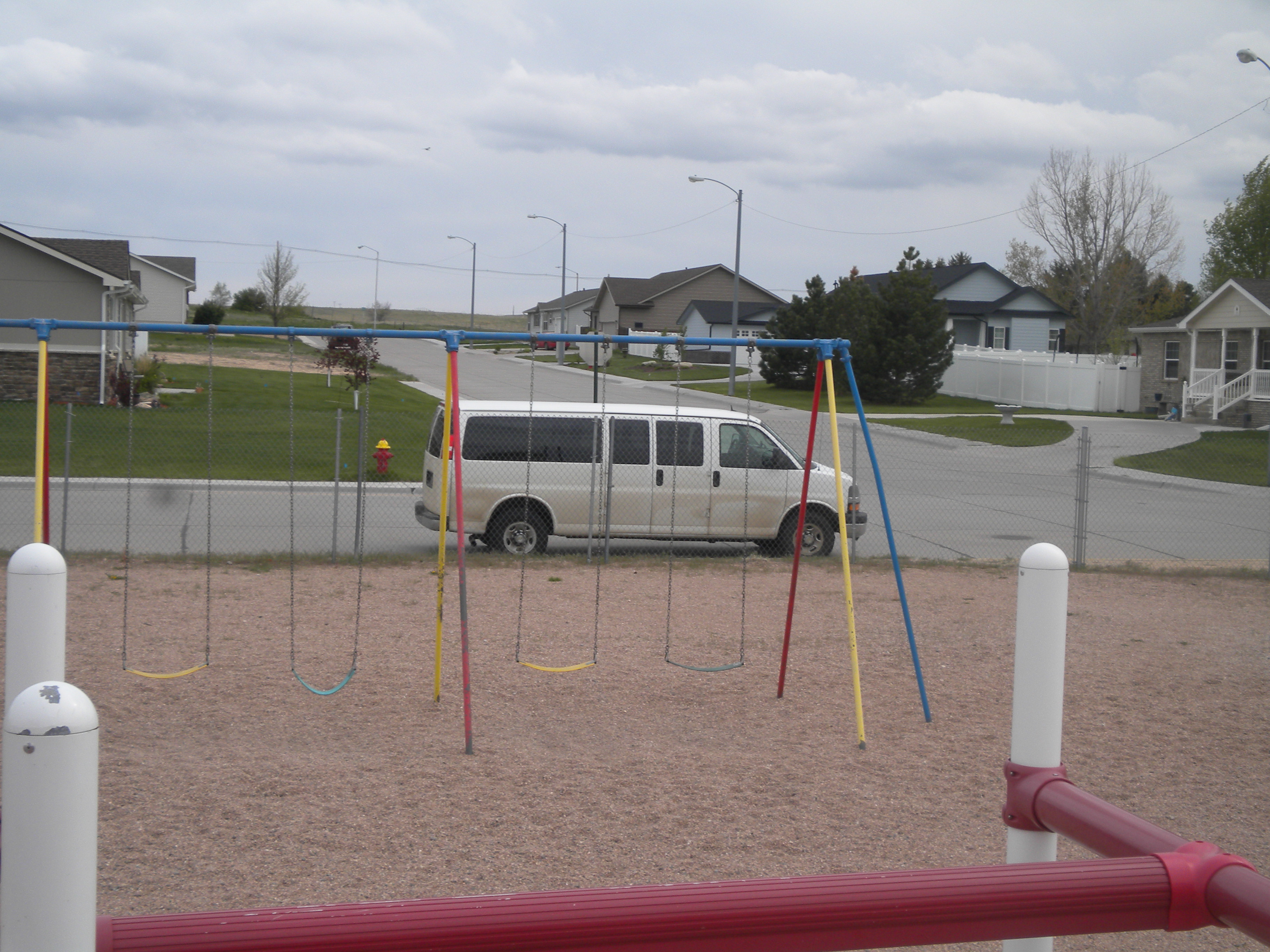
While we were waiting for the cap to break, we parked the van by a local playground for some entertainment. The most popular game played was football pig. Which has the same rules as HORSE, except played with a football and the goal is what you decide it to be (a bench, through a tire, etc.) Sometimes however, you just have to hit the swing set when you’ve been trapped in a van for eight days.
Tomorrow looks to be a down day as we look to stay the night tonight Alliance, NE.
Photos by Kyle Berry and Lindsay Rice
Posted inKentucky Weather|Comments Off on Field Methods-Day 8 Recap
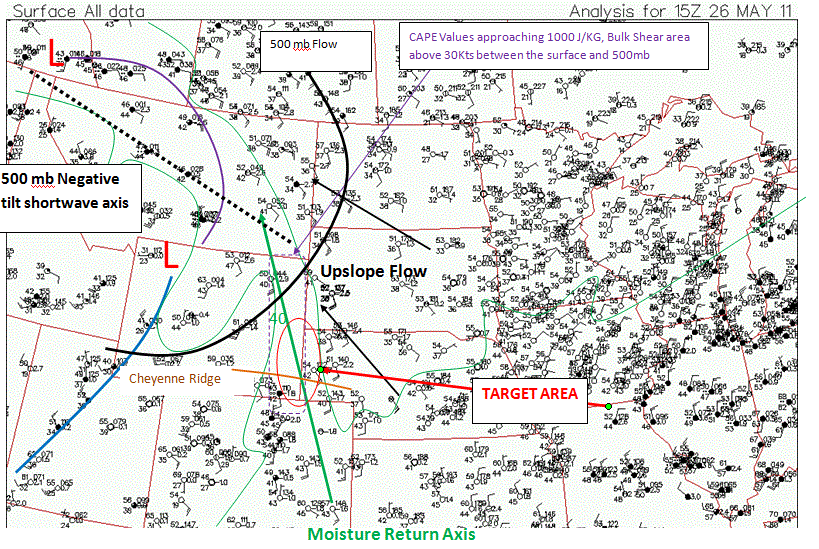
After waking up in Scottsbluff, we assessed the latest weather data and today’s target looks very unique with respect to targets that we have previously picked. Today looks to be a very marginal day, as it is not a classic low pressure setup that we have encountered so far through this trip.
15Z Surface Analysis
Currently a very negatively tilted shortwave trough axis extends NW to SE across the upper rocky mountains. In response, upslope flow is currently taking place at the surface along the Front Range from Colorado to Wyoming. A moisture and instability axis is currently nosing in along the Front Range as well. Upslope, backed winds should raise dew points into the 50’s and cape values to around 1000 j/kg. Although these are very modest, the higher elevations and terrain features require less instability for convective initiation.
Our target for this morning is Cheyenne, Wyoming. This is on the southern fringe of our target area, due to the fact that the Cheyenne ridge acts as an area of increased topographic lift. We chose this area this morning due to the fact that one of the concerns for today is that all the parameters this morning are very marginal, yet there exists a strong capping inversion over the area. Hopefully the orographic lifting effects of the terrain give us a chance to chase today. For the mean time, since we are so close to our target, we will most likely take in some sights. A recap will come late tonight, hope to bring you some good pictures…..
Wednesday the system we were tracking Tuesday had moved east through the mid south and Ohio valley. This brought cooler and more stable air to the plains which is not favorable for any thunderstorms. However that morning we identified the potential for an area of elevational lift over the front range Thursday. This coupled with some marginal instability, shear and moisture may be enough to find the storms today. The main target today (Thursday) will be over northwest Nebraska, eastern Wyoming and far western South Dakota. In order to be in position to reach the target, Wednesday was a travel day to Scottsbluff, NE. The biggest site along the way was the world’s largest ball of twine. Thanks to Lee Campbell for the photos below.
The long travel day also featured lunch at a regional restaurant called Runza which was a little hard on some stomachs but going back to Subway should help out the suffering. The remainder of our time out here will likely feature more days that aren’t as clear cut for severe weather unlike in the past week but this may end up working to our favor. Also looking ahead we have several travel options looking out a few days.
MWG
Posted inKentucky Weather|Comments Off on Day 7 traveling across the plains
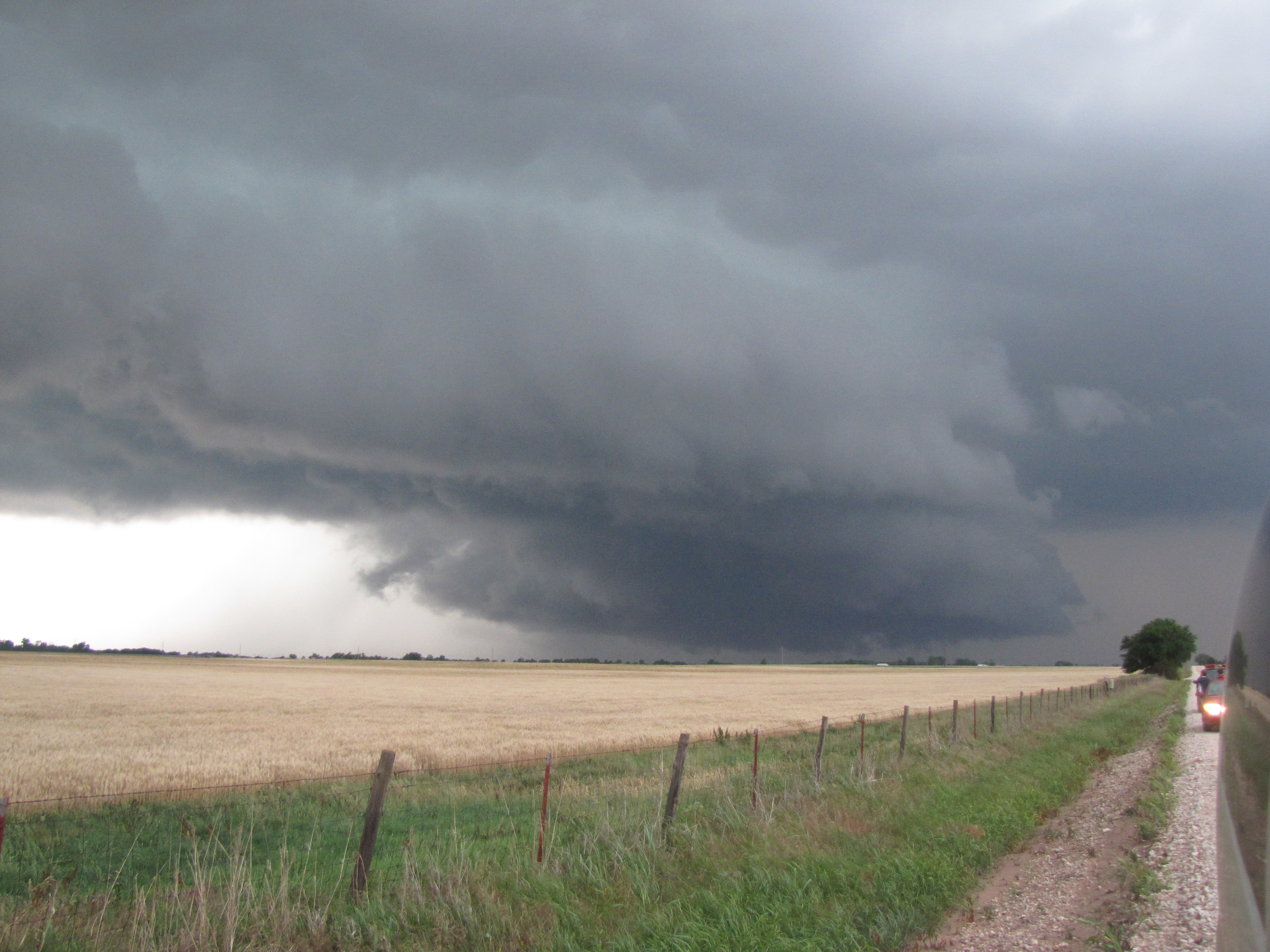
Today we left Wichita, KS towards our target a little farther west. We traveled to Wellington, KS and waited for initiation. The group agreed to stay around the Wichita area because we were in great position. Many parameters were coming together, such as the amount of CAPE and helicity values. We wanted to stay close to the surface low that was positioned in the panhandle of Oklahoma. The dryline was positioned in that same area. A few problems the group recognized were cloud cover and the track of the low. The models were having problems with initiation time and the 500mb winds were backing (for convective initiation we want the winds at 500 mb to be veering). Later, when we reflected on the day, we realized this was one of the major problems of the day.
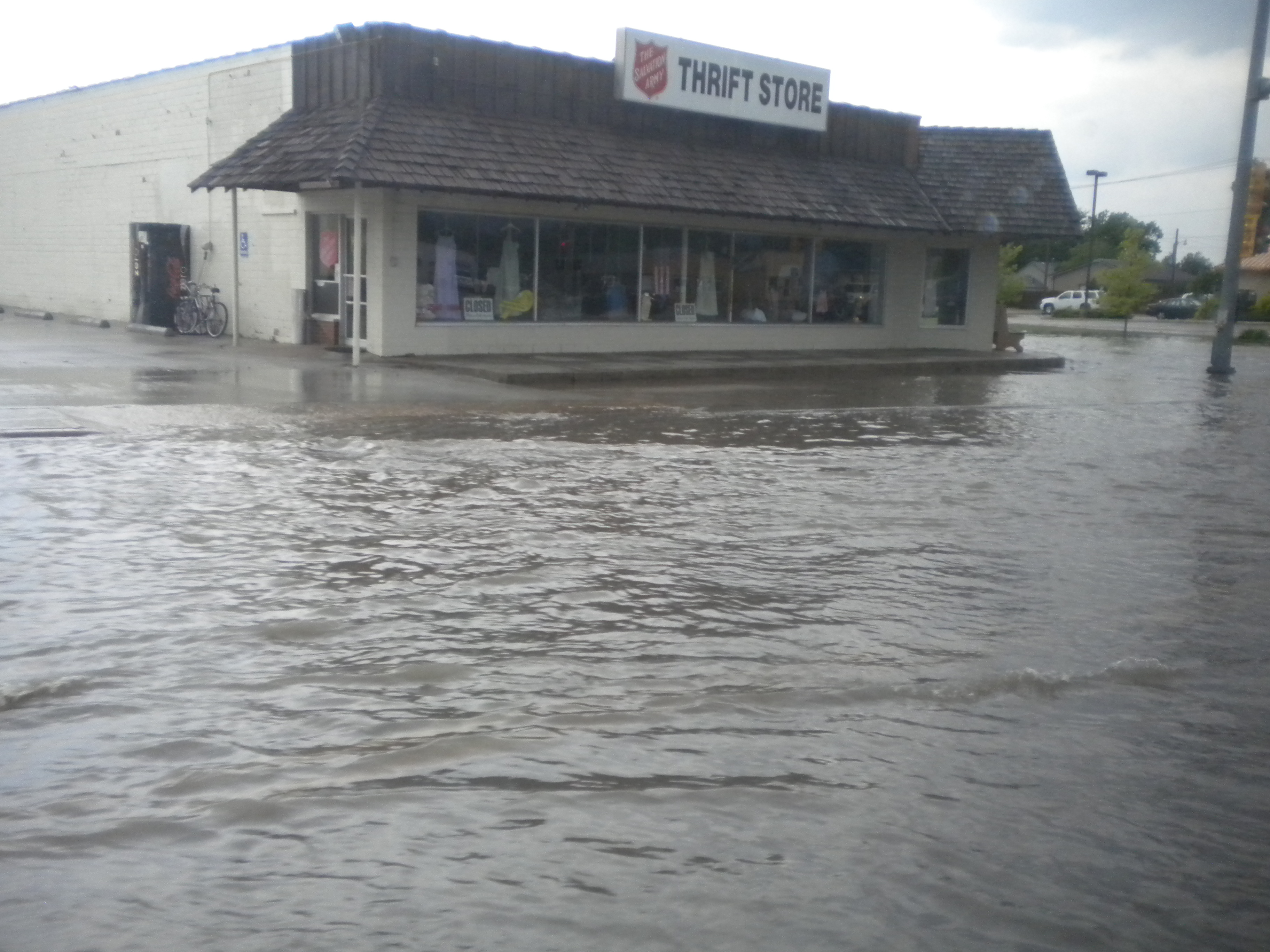
We began heading west from Wichita and remained in the surrounding area for the most of the afternoon. We drove through a few small towns multiple times, Great Bend, Lyons, etc. chasing the supercells that initiated today. Throughout the day, many tornado reports popped up around the area we were chasing in. When we drove through Great Bend, we were just south of the storm, and experienced a flash flood throughout most of the town. In some areas, water was up to some car bumpers. It was flowing through the streets and cars were moving slowly through the town. Next, we entered Ellinwood, KS, where the precipitation began to pick up. Our clear view of the supercell had now become rain wrapped and our visibility was greatly reduced. After we drove through a heavy precipitation area and a small amount of hail, a tornado was reported with damage to a few homes behind where we had driven through. We were not able to see anything because of the amount of precipitation.
Although we did not see any of the reported tornados around our area, we saw some great supercell structure and a few funnel clouds with decent rotation.
We ended the day taking photos of a large shelf cloud and lightning from the supercell that we had out-drove.
The group started out the day in Bartlesville,OK with everyone focusing their attention to the west. One of the main features we were looking at was a 700MB shortwave that was moving out of the four corners region. This would play a important roll in enhancing the lift over the area. Once on the road the decision was made to goto Tonkawa, OK to further access the situation. Most of the other parameters were coming together with CAPE in the 3000 to 4000 J/kg and bulk shear in the 30 to 40 kt range. Just outside of Tonkawa we took note of a cell that began to rapidly rise. We started to make a move on this cell, but noticed it was not looking positive on radar. So we began to make a play on the storms to the south and west of our location. When we made it on these storms we were able to see a wall cloud, but we needed to take cover under a over hang in order protect ourselves from hail. Once clear we tried to make a play on the storm, but it also became to difficult to see. The road network was also difficult to navigate. We made a decision to move south to a more promising storm.
Large wall cloud Near Kingfisher, OK
After moving south we were able to intercept a storm just west of Kingfisher, OK. The storm produced a large wall cloud and at one point produced a brief funnel (wall cloud pictured above). The group then moved east to try and get out ahead of the storm. The clear slot began to close in and we had to go east and south quickly to avoid the large hail. The hail was 3.5 inches at times in the main core with quarter size hail hitting the group. Once we were able to get south and east visibility was poor due to rain. The storm was still wrapping tightly, but we just ran out of daylight. We also did not want to go any farther south due to staying in Wichita. The rotation on several of the storms was impressive and the group did see multiple wall clouds and one funnel cloud. This made for a successful day even without tornadoes. Today looks to be more promising.
Post by: Dustin Jordan
Posted inKentucky Weather|Comments Off on Field Methods Class – Day 5 recap
After yesterday’s incredibly photogenic super cell thunderstorms, expectations were high. The parameters for today were also more favorable than the previous day. One surface low sat over eastern South Dakota, another over central Kansas. Warm, moist air was being drawn into the western Mississippi River valley, allowing surface dewpoints to reach upwards of 70 degrees. Instability was high, with CAPE values estimated to hit 500 J/kg by the afternoon across the western Mississippi River valley, alluding to a promising afternoon. With sufficient wind sheer and this high instability, a target could then be deliberated. Many students, including myself, considered Iowa as a potential target. However, this presented the issue of travel and distance, and it was decided that Kansas would be a wiser decision as it was closer in proximity and put us in better position for tomorrow.
Early in the afternoon, cells began to fire in the Coffeyville, KS area. It wasn’t long until we were in pursuit of one that had been severe thunderstorm warned within 20 minutes of initiation. We watched this cell develop and mature for several hours, which produced many wall clouds and funnels. As we were observing these features, a strong rear flank downdraft (RFD) moved through. It was this warm RFD to the east of our location that allowed an area of circulation to tighten enough to produce a tornado. This was indicated on radar as a defined hook, and in a later scan showed a debris ball. This debris ball was evidence of a tornado capable of extensive damage. Later we discovered that these were this images of the large, damaging multi-vortex tornado that all but demolished the town of Joplin, Missouri. We abandoned this cell 10 miles from Joplin because there was no way to intercept it without going through a precipitation core containing large hail around 1.75 inches in diameter. We were disappointed to learn that a tornado was so close but out of our reach. However, the group was later relieved to have been out of the path of such a powerful tornado.
It wasn’t long until we had another complex of supercell thunderstorms in our sight. This lead us into Grove, Oklahoma, where we got trapped trying to avoid swaths of hail that kept forming on the tail-end of the cell. This caused us to take a detour across Cherokee Lake, where we saw twin waterspouts. On the other side of the lake we just came from, a stovepipe tornado was reported. Also, up the road a rain-wrapped cone was reported. Within one cell, four separate areas of rotation were determined, resulting in some tricky navigation for Dr. Durkee. By nightfall, the storm was still indicating areas of rotation and we pulled over to observe these features with frequent lightning illuminating the landscape. When this storm failed to produce a visible tornado, we decided to call it a day, but not after battling flash flooding and hail to reach our destination of Bartlesville, OK. Tomorrow appears even more promising, and the chase continues.
Posted inKentucky Weather|Comments Off on Field Methods – Day 4 Recap
Each day has continued to set the bar for the next as we chase storm after storm erupting within the plains. Today we got a real taste of the power associated with these storms as well as the structure that can come with a select few of them.
After waking up in Pratt Kansas and analyzing data, parameters led me to believe that the best area to witness tornadoes would be in eastern Oklahoma. Better instability along with shear values approaching 60 knots from zero to six kilometers, a bulging dry line associated with a developing surface low in western Kansas, and higher helicity values made that area seem like the best choice. Instability refers to CAPE, which is the energy an air parcel could tap into if it reaches a certain height in the atmosphere. Shear describes changing winds with height. The apex of dry lines tend to initiate strong thunderstorms, and helicity describes the ability for a storms updraft to rotate Sounding observations also agreed with this area in relation to greater backing of winds at the surface in eastern Oklahoma, which provides a more favorable environment for tornadoes. Except for a fairly unstable atmosphere with mixed layer CAPE approaching 2000, Kansas had very little going for it. One thing unconsidered amongst the group was the road network in eastern Oklahoma which turns out to be terrible. After that revelation, we decided to play our cards in north eastern Kansas and see what we would be dealt.
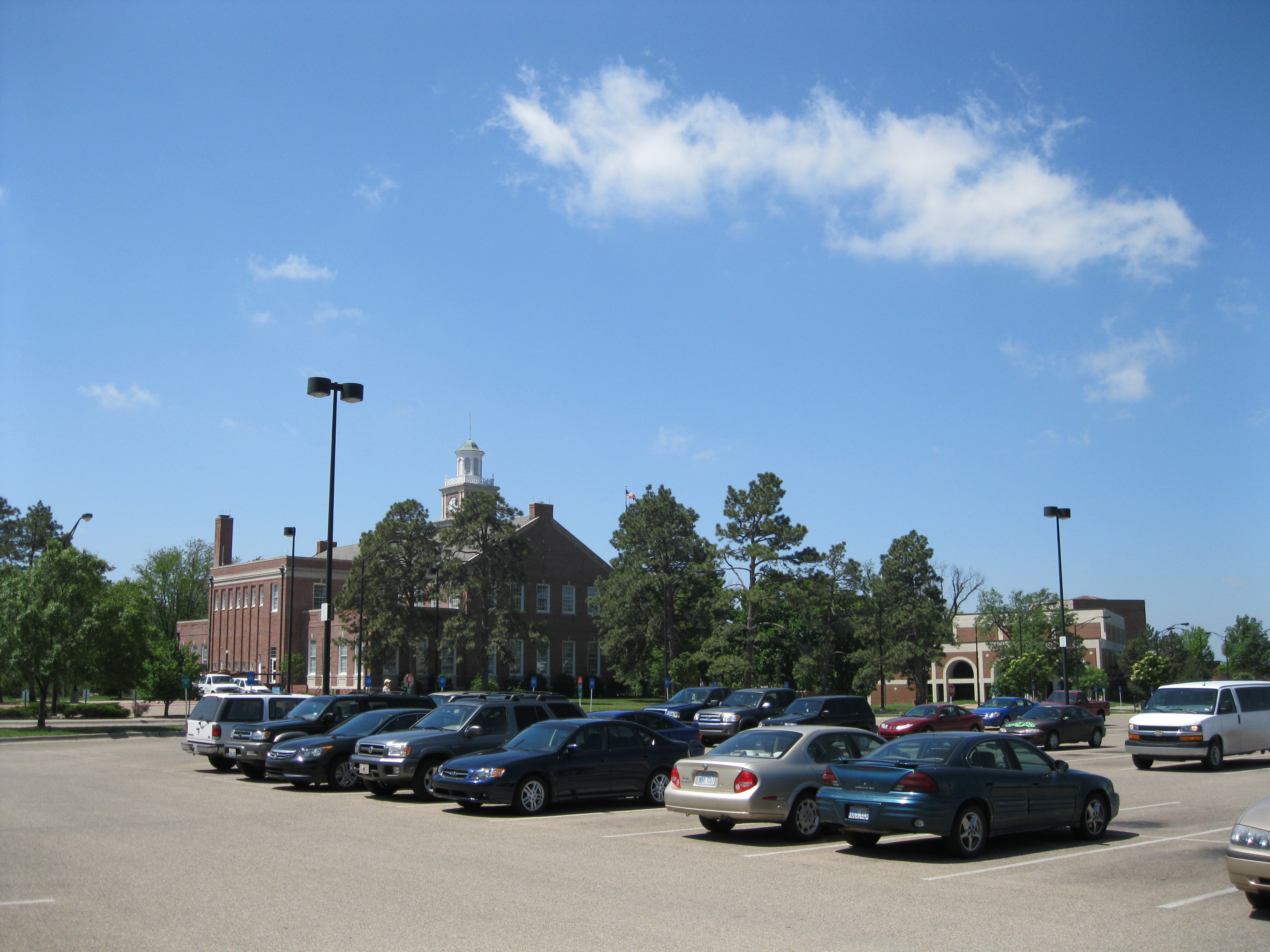
We left Pratt Kansas to head east around 10 a.m. and ended up in Wichita Kansas where we enjoyed the sights of Wichita State University, home of the shockers.
Photo taken on Wichita State University Campus
Fairly clear skies all around gave visual clarification of CIN in place, which is a measure of the amount of energy a parcel needs to reach the level of free convection and continue to rise in the atmosphere. Although CIN can inhibit storms to develop if too strong, it can also be a good first step in severe storm development because this setup essentially places a lid on the atmosphere, allowing moisture from the Gulf Of Mexico and surface heating provided by the sun to build up at the surface. This scenario makes the atmosphere increasingly unstable, and similar to a balloon being filled with too much air, eventually something’s gonna give. We continued east after eating lunch at Jason’s Deli (highly recommend) and were forced to wait for cells to initiate. After viewing the countryside in Emporia Kansas waiting for initiation, storms finally began to fire just north of Miller Kansas around 5 p.m. moving northeast toward Topeka; the chase was on.
Thunderstorms beginning to build while traveling northeast on I-335. Photo taken by Dr. Durkee.
Initial view of the storms showed two typical air mass thunderstorms with decent hail on base reflectivity, which detects water particles within a storm. But as we got closer to the cells, strong rotation began to develop on base velocity which detects how winds are blowing in relation to the radar. A closed road detoured us away from the storm, but after catching up to the northernmost storm, strong rotation was evident in a cell as a mesocyclone rotated just to the west of us with a pronounced wall cloud and funnel cloud peaking out of the base.
First view of the mesocyclone/funnel cloud looking northwest
Speaking for myself, this was the first time I had seen storm structure so pronounced, or even a funnel cloud! Many features associated with this supercell; which are rotating thunderstorms, are clearly identifiable in this photo. It was essentially a “textbook” idealization of what makes up a supercell. We continued northeast in a stair stepping motion and captured more incredible photos and video as the storm began to rotate even quicker.
Three funnel clouds rotating through the base of the wall cloud
Rotation beneath the wall cloud beginning to tighten as funnel tries to reach the ground. The motion was unbelievable
View of two strongly rotating areas of the supercell
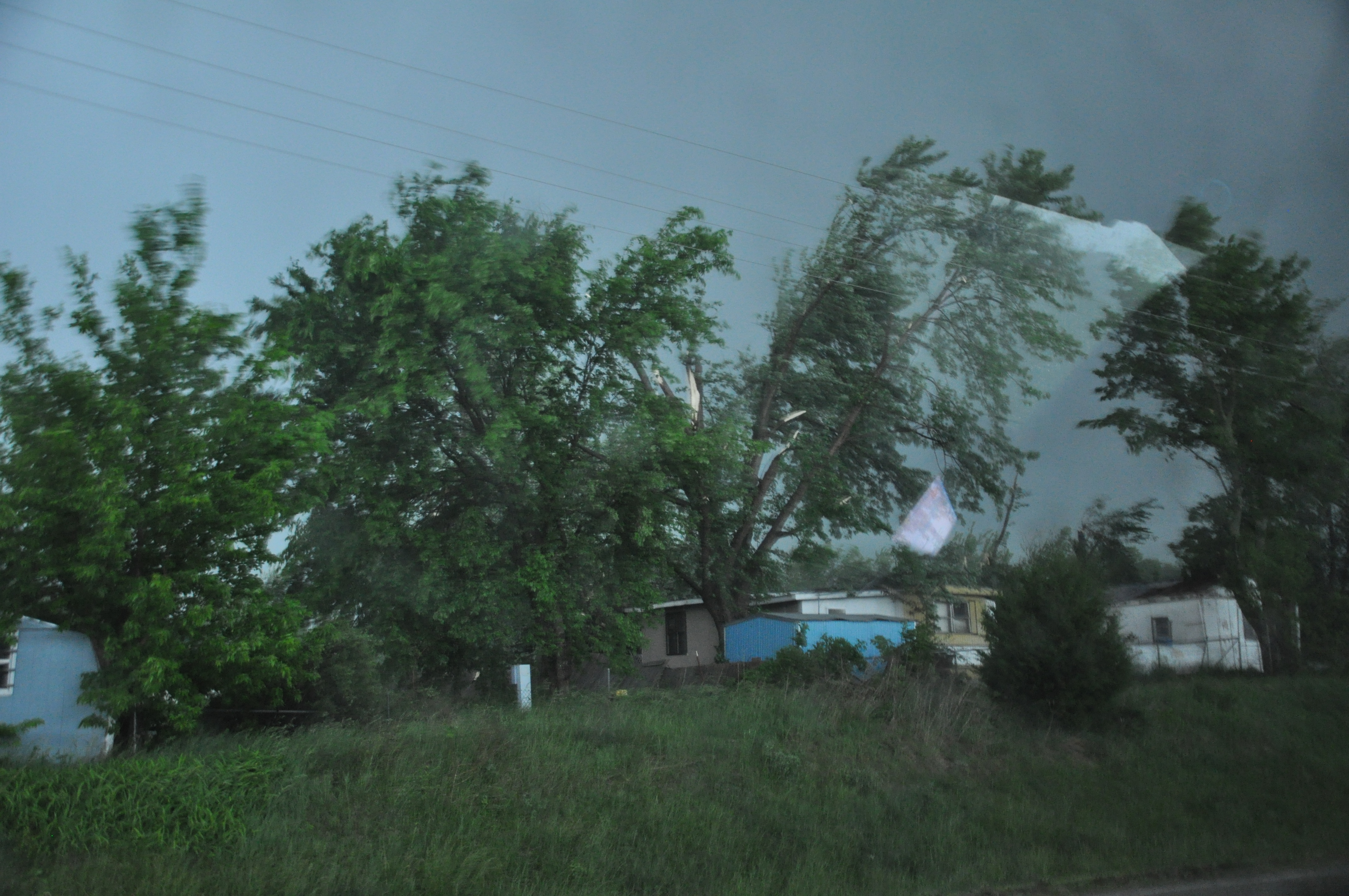
While continuing to keep up with the storm, we encountered two more hurdles along the way; one being a large mass of Kansas residents and other storm chasers driving around to see the storm, as well as damage the storm had produced. As we drove along a road headed north alongside the supercell, tree damage was noticed, and just ahead of us a very large tree was laid out across the road blocking our path, forcing us to turn around and go back the way we came. At this point it would be difficult for us to catch back up to the storm, and the system seemed to begin to weaken, so we decided to change route and chase the other storm continuing to develop just south of out location.
Damage that occured to trees all along the road, few were down like the tree that lay across the road, but many were snapped half way up like the tree in this photo. Apologize for the glare
It is not apparent to us that this was related to a tornado. Although the funnel was spinning quite rapidly and making its way to the ground, we could never confirm that it actually made it to the ground. It’s believed that the tornado never made it to the surface because lower level helicity was not strong enough to speed up and tighten the rotation toward the surface. The damage certainly also could have been caused by strong winds that develop on the back sides of supercells, which is known as RFD, or the Rear Flank Downdraft. I’m sure a National Weather Service survey will be conducted to determine how the damage was caused, and a confirmation of how it actually was caused will be added to this section when available.
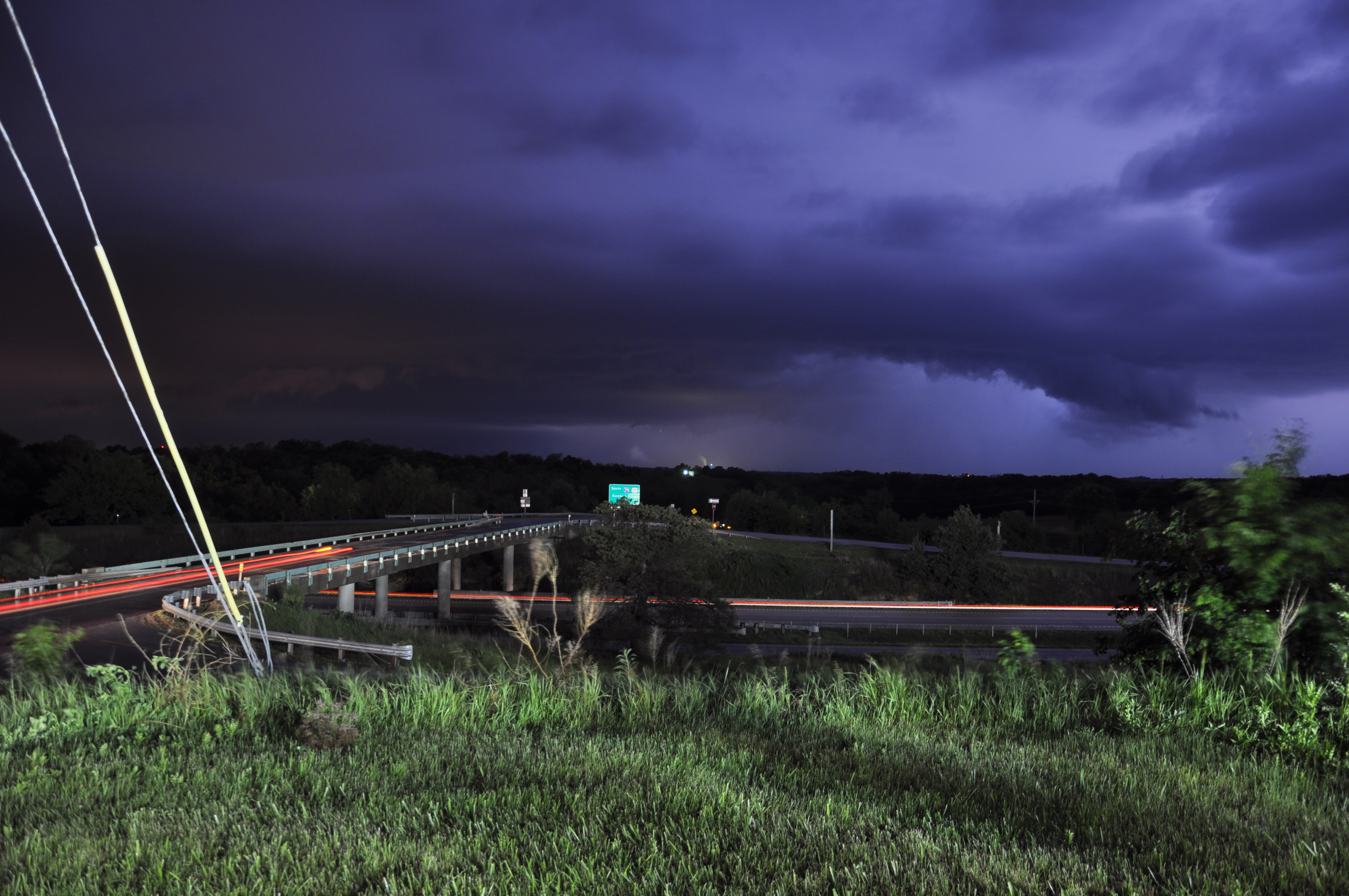
We continued to chase the supercell and witness the structure on the second cell as well. Eventually the sun set and distinct features visible during the day faded into black. However, lightning was incredible with the storm, so we decided to find the best position possible and gather lightning photos. The continuous bolts of lightning continued to light up the horizon until well after midnight. After it was all said and done, we chased behind the cells from Emporia Kansas all the way into Kansas City Missouri where we checked in for the night and enjoyed a meal at Ruby Tuesdays to recap the day’s adventure. All photos/videos taken by me excluding photo crediting Dr. Durkee.
Lightning shot of storms in the distance while located in Missouri.
Posted inKentucky Weather|Comments Off on Field Methods– Day 3 Recap
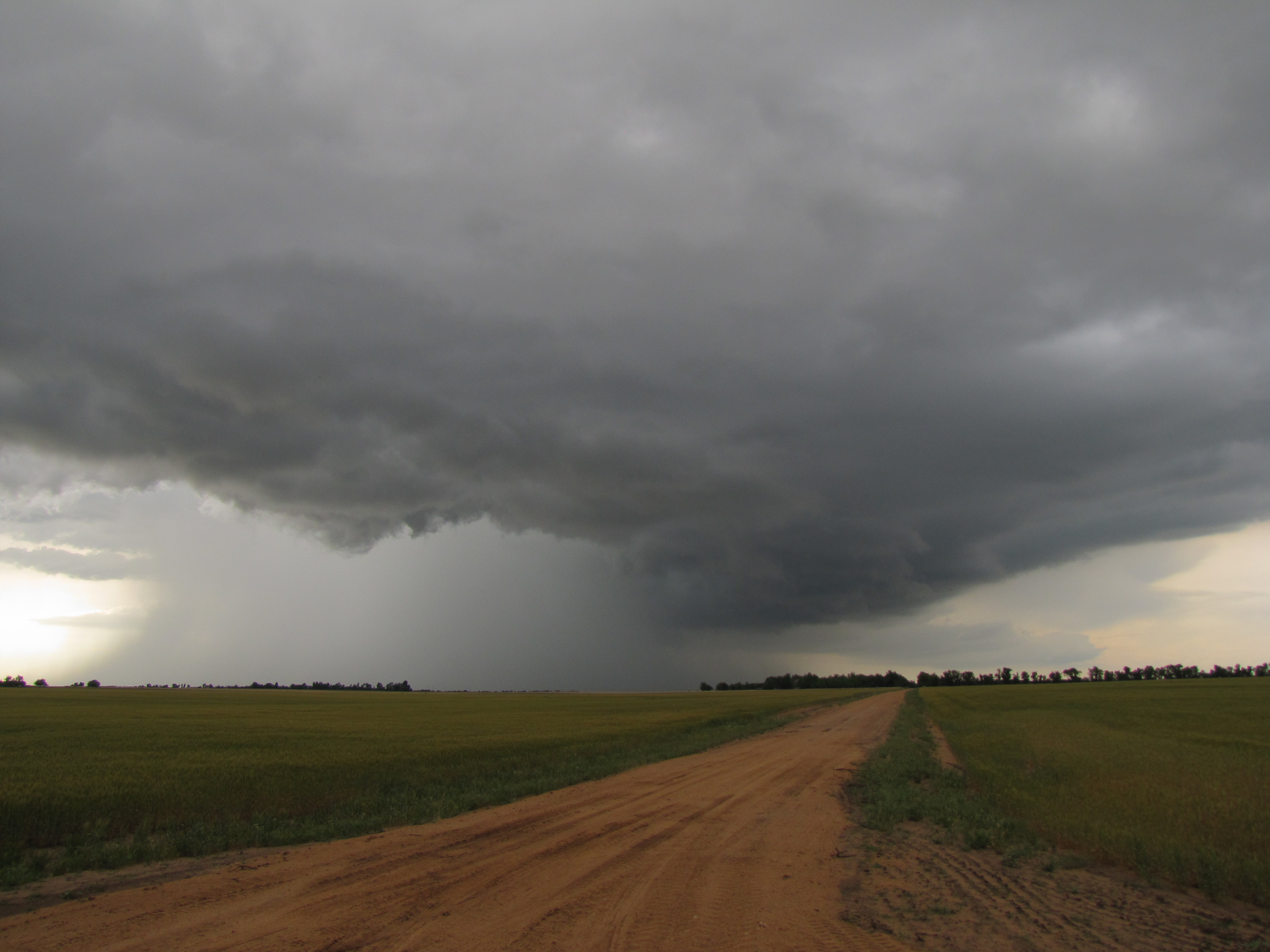
On Friday morning our group woke up in Salina, KS where we discussed possible targets for storms for the day. An MCS came through in the morning causing cloud cover in most of eastern Kansas, limiting thermal instability. With this knowledge, we decided that the game plan would be to try to find the clearing in the cloud cover for storms to possibly initiate by afternoon. So our group headed WSW towards Great Bend, KS in search of a clearing. The outlook for the day was marginal with low instability even in the clear skies. In south central Kansas, CAPE values were around 500 J/kg, which is very weak. CAPE is the Convective Available Potential Energy, which is basically the energy a storm could tap into given that a storm initiates. The other problem was the low shear values around 30 knots. Shear is the direction/speed of wind as it changes with height in the atmosphere. Instability, shear, moisture, and lift are all key in supercell development, maintenance, and strength. In this case, the instability and shear values were on the lower end, however, the moisture convergence boundary was evident extending through south central Kansas providing moisture and lift. Dew points near Greensburg, KS were in the low-mid 60’s, while just an hour west of that dewpoints were in the low 40’s. The cold front extending down through central Kansas into Oklahoma provided sufficient lift to aid in storm initiation. By 3:00 p.m. storms were in firing along this boundary and we were able to follow them as we drove south into Pratt where newer cells initiated. Just outside of Pratt, we stayed with a supercell moving at 20-25mph. This cell showed very broad, weak rotation which inhibits the production of tornadoes. However, this storm did provide great structure along with a fairly strong hail core. Nickel to quarter size hail was reported, but fortunately we were able to stay ahead of this. Below are some pictures highlighting the day.
Photo By: Dustin Jordan
Photo By: Nathaniel Shearer
Photo By: Josh Durkee
Photo By: Josh Durkee
Photo By: Josh Durkee
Posted By: Olivia Payne
Posted inKentucky Weather|Comments Off on Field Methods–Day 2 Recap
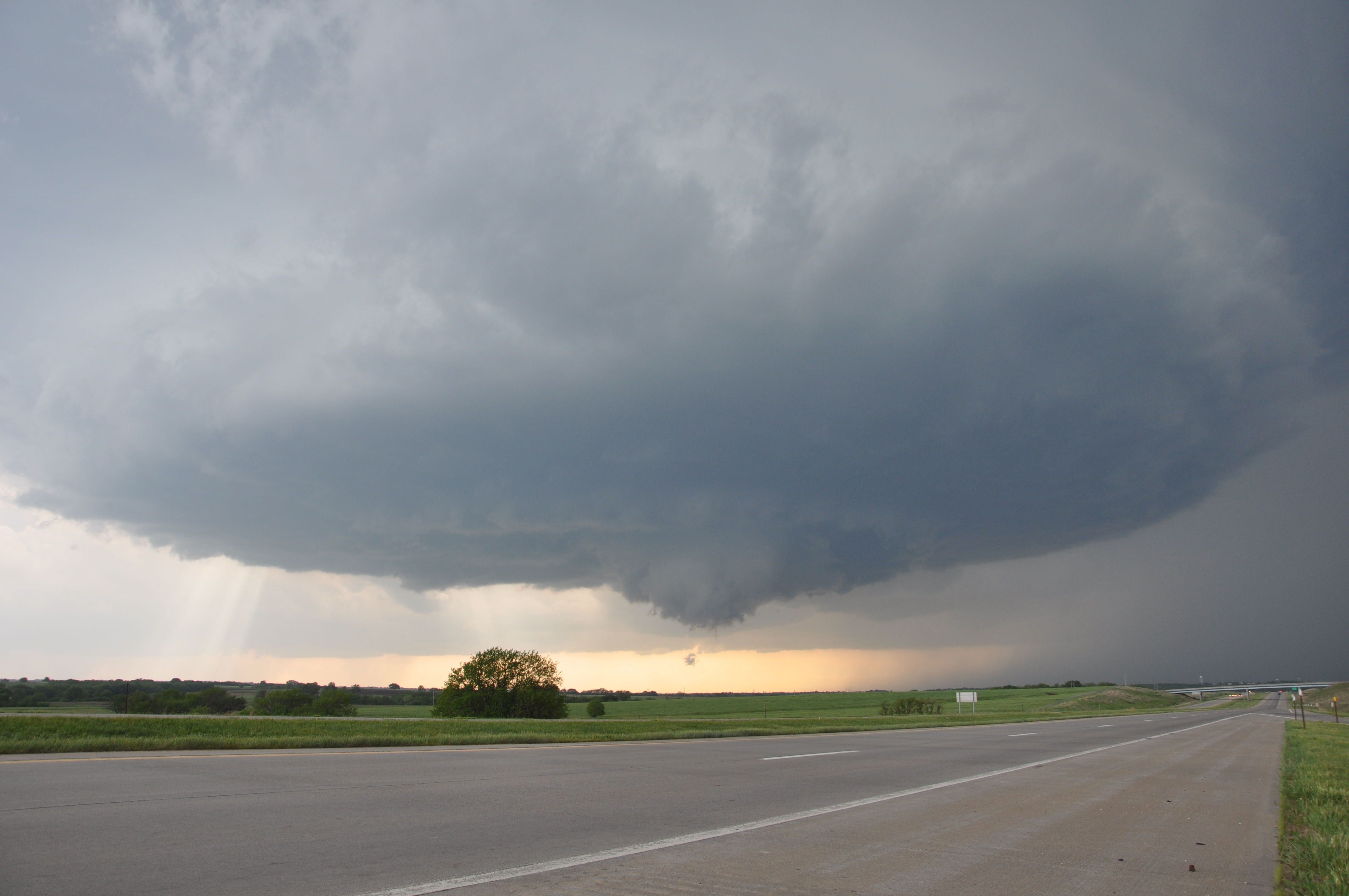
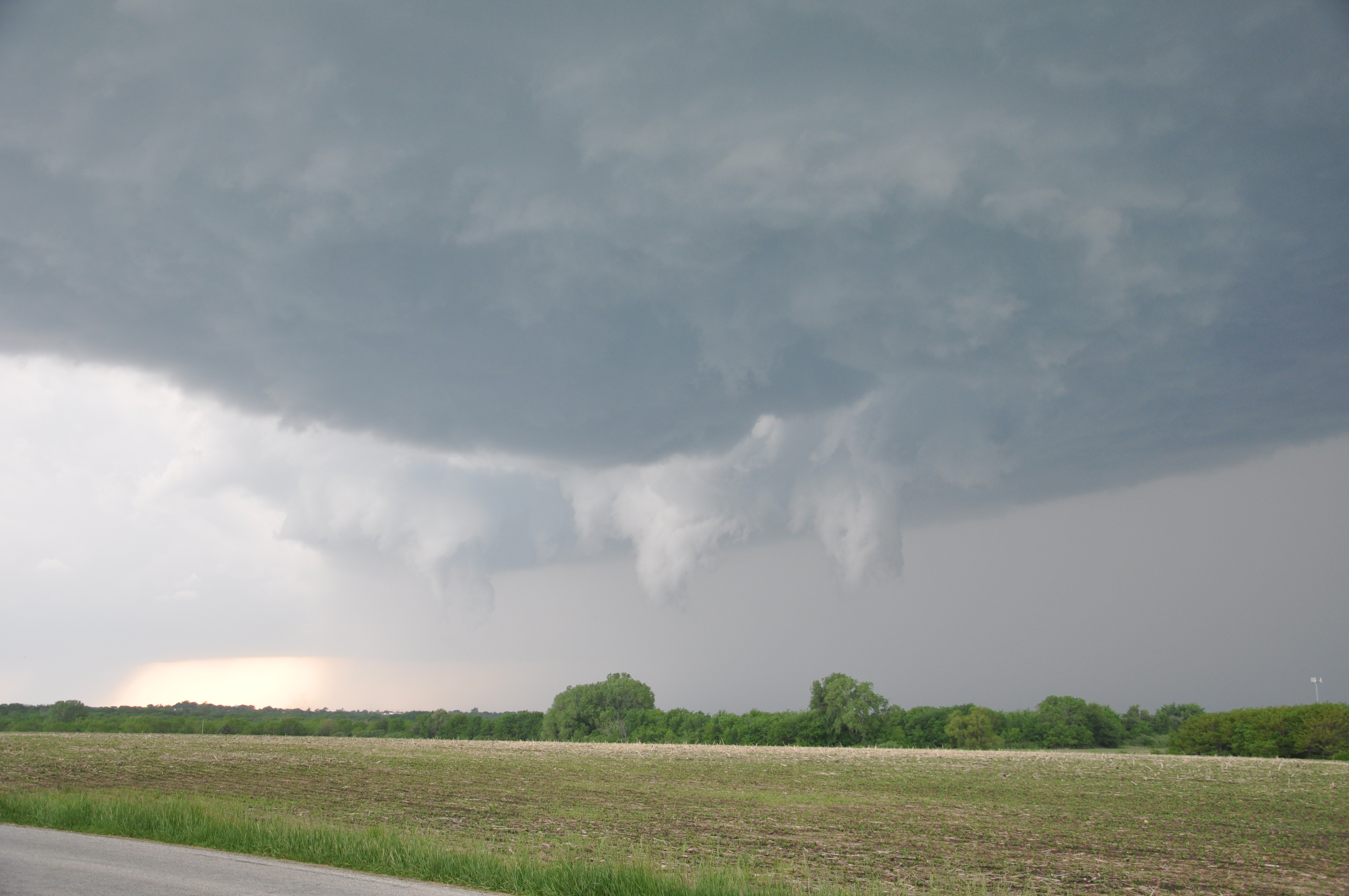
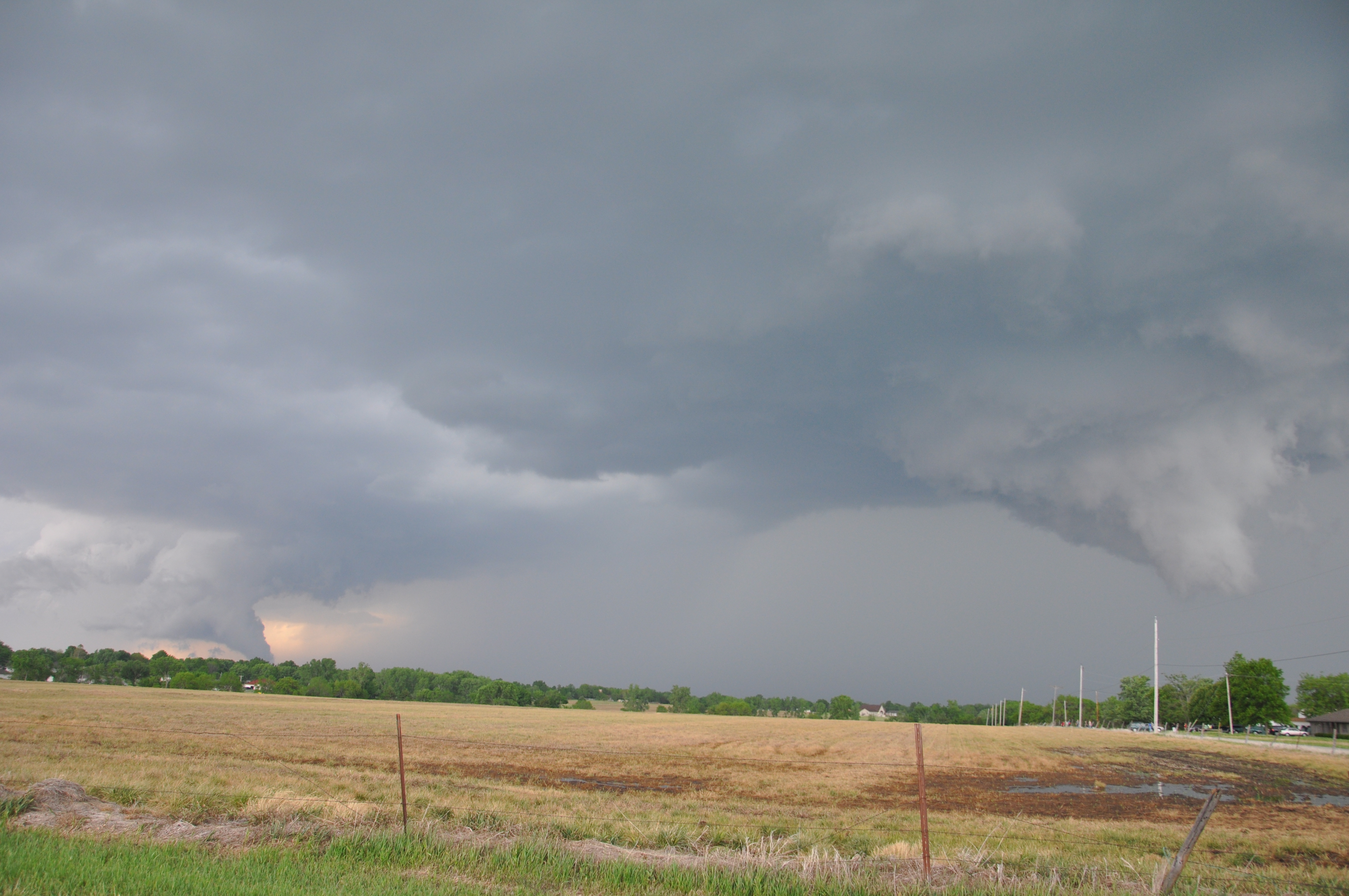
The class nailed the forecast target area where cells fired up early afternoon and dropped two tornadoes. However, they were high precipitation super cells so unless we got dangerously close we would not be able to see the reported tornadoes as they were rain wrapped. It was a very successful day though, because the students got their forecast right which is what this is all about! Here are some pictures from yesterdays storm. First photo displays the structure of the supercell we were on, second one is of the wall cloud that dropped and was rotating but quickly retreated back up, and third photo is the shelf cloud as we let it approach the van. Hope you enjoy the photos and we plan to recap every chase day. A blog update should be posted later this morning concerning the plan for the day.
Posted inKentucky Weather|Comments Off on Field Methods Class–Day 1 Recap